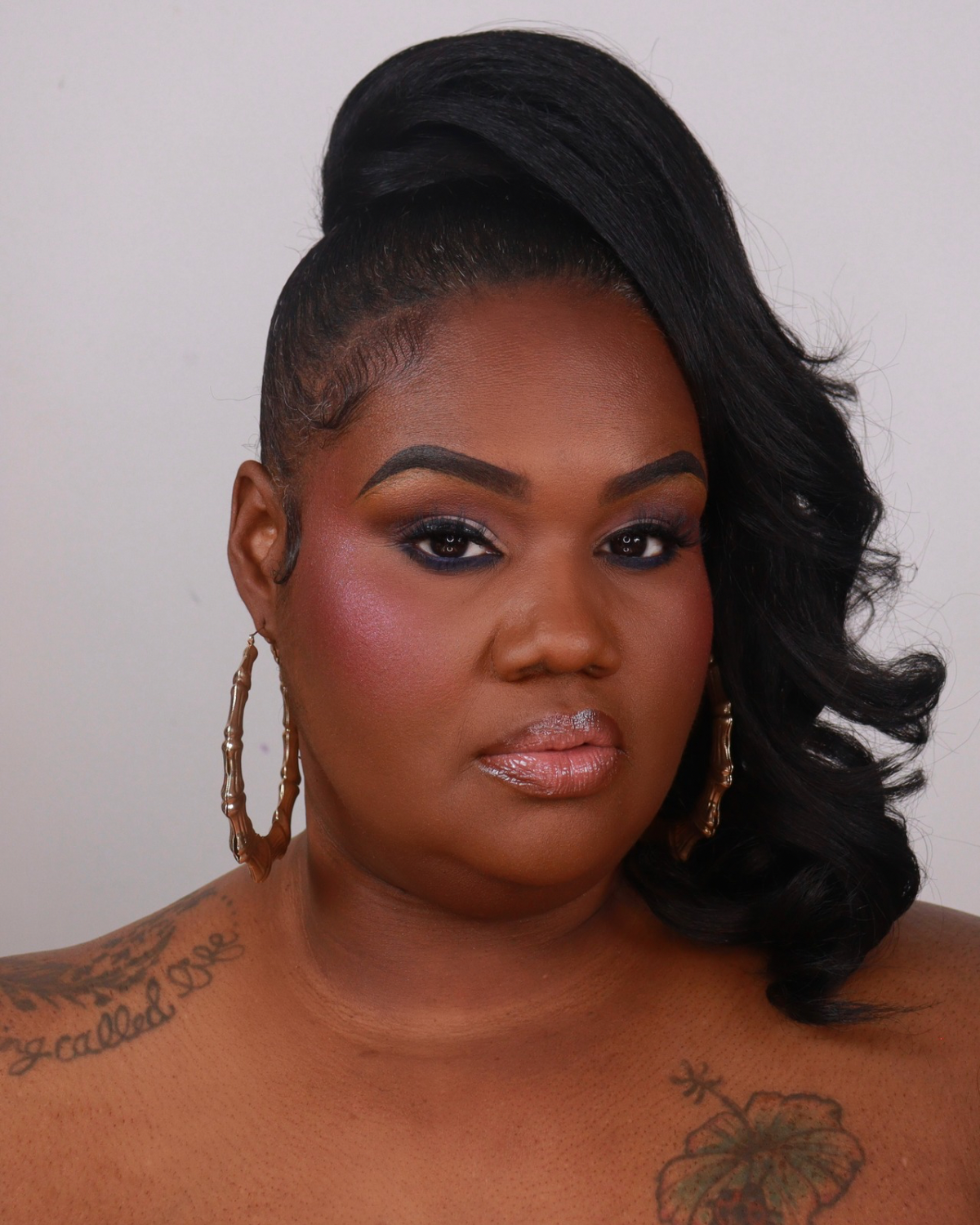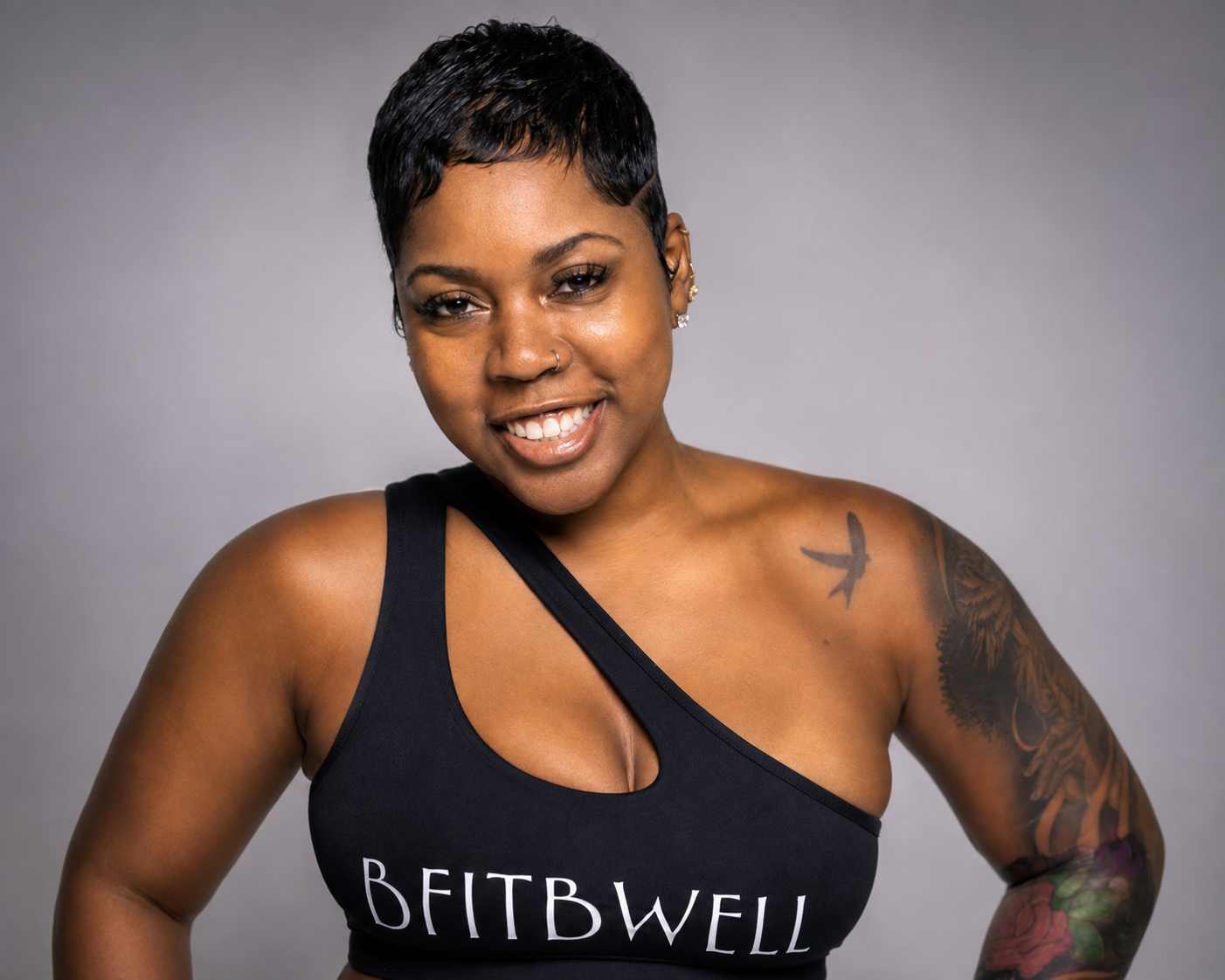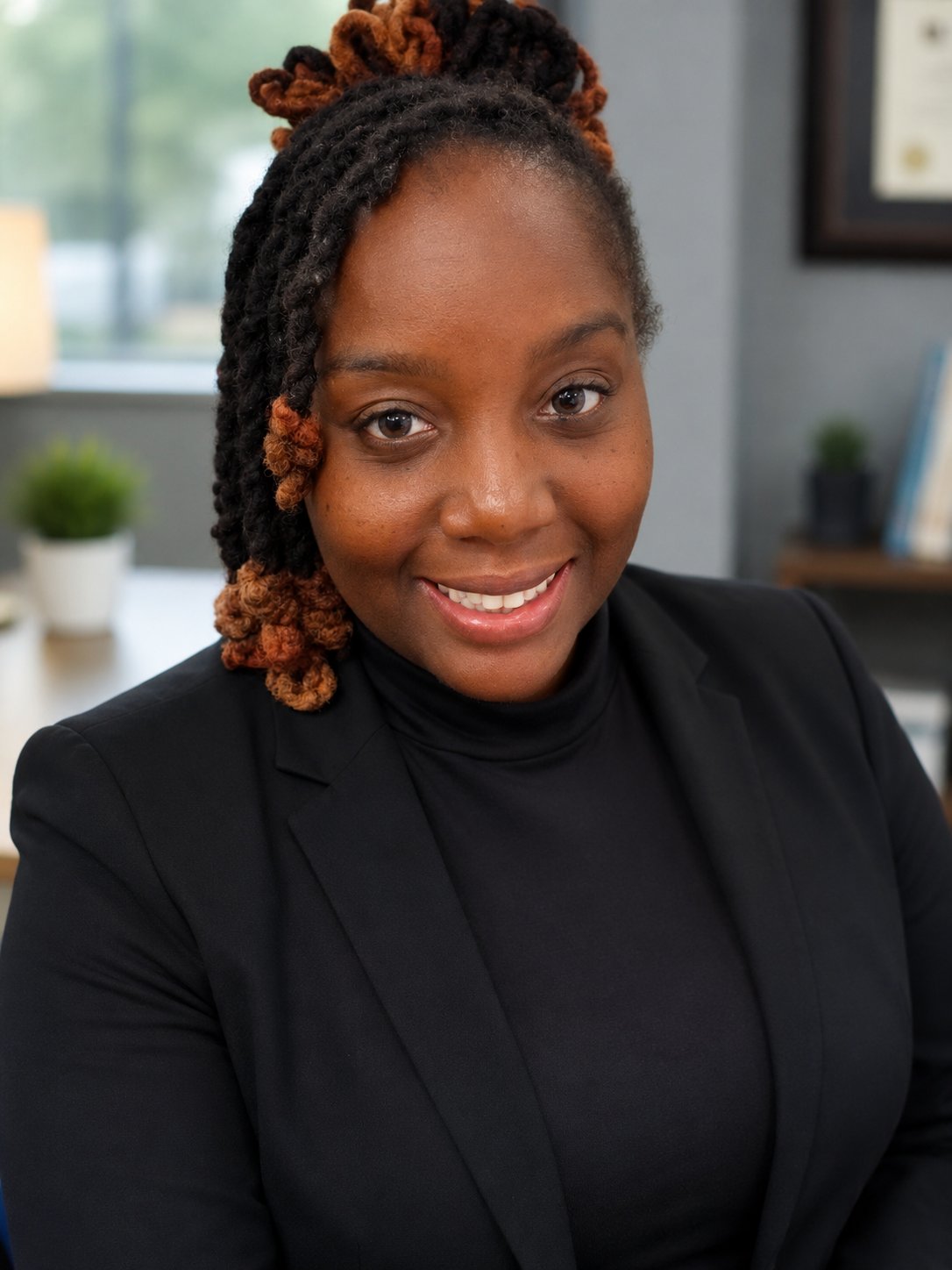
Craigirita Randianne Ferguson, LCSW-QS, understands that healing does not happen in isolation.
With more than a decade of experience across mental health, healthcare, social work, and community services, Ferguson has built her career around meeting people where they are and addressing the emotional, physical, financial, relational, and spiritual factors that can shape their well-being.
As the founder of SSCD Mental Health and Holistic Wellness, Inc., Ferguson is working to expand access to free and donation-based support while developing a youth initiative centered on therapy, accountability, skill-building, and second chances.
In this SwagHer Spotlight, she discusses barriers that can keep people from accessing mental health care, her vision for helping eligible young people move beyond minor offenses, and the partnerships she says are needed to make community-based healing sustainable.
Fancy: Tell us about SSCD Mental Health and Holistic Wellness, Inc. What inspired you to create the organization, and what need did you see in the community?
Craigirita: SSCD Mental Health and Holistic Wellness, Inc. was created from a deep belief that mental health is an essential part of overall well-being and that everyone deserves accessible, compassionate support.
We saw individuals and families navigating trauma, emotional challenges, life transitions, and financial barriers to care. We also recognized a need for family support groups and youth recidivism programs in underserved and low-income communities.
Through free and donation-based services, our goal is to reduce stigma, strengthen families, guide young people, and create a safe community where people feel seen, empowered, and equipped to heal, grow, and thrive.
Fancy: Your work emphasizes treating the whole person—mind, body, spirit, relationships, and environment. How does that philosophy shape SSCD’s services?
Craigirita: Mental health does not exist in isolation. Emotional well-being is connected to physical health, spirituality, family, relationships, finances, culture, environment, and everyday stressors.
Our biopsychosocial-spiritual approach helps us look beyond symptoms and understand each person’s strengths, needs, goals, values, and lived experiences. We provide mental health support, wellness education, coping strategies, resource navigation, and connections to community services in a safe, nonjudgmental space.
Accessibility is central to that work. By offering free and donation-based services, we help ensure that a person’s ability to pay does not determine whether they receive support.
Fancy: What barriers to mental health care are you seeing, and how is SSCD working to remove them?
Craigirita: Cost, lack of insurance, transportation, work and family responsibilities, and stigma can all prevent people from seeking help.
SSCD addresses those barriers through free and donation-based mental health and wellness support groups where participants can connect with others, learn healthy coping skills, and receive encouragement without the added financial burden.
We want people to have support before they reach a crisis point and to know they do not have to navigate life’s challenges alone.
Fancy: You hope to develop a grant-funded youth program that combines therapy with a possible path toward expungement for eligible minor offenses. What is your vision for the program?
Craigirita: We envision a structured three- to six-month program that gives eligible young people meaningful support, accountability, and a genuine opportunity to move forward.
In partnership with the State Attorney’s Office, the program would combine mental health and wellness services with anger management, crisis de-escalation, emotional regulation, communication, positive coping skills, and healthy decision-making.
We are not looking to excuse behavior. We want young people to take responsibility while gaining practical tools to respond differently when they face conflict, stress, trauma, family difficulties, or peer pressure.
For those who meet the appropriate requirements, successful completion could also create a pathway to pursue expungement of certain eligible minor offenses. A young person’s mistake should not automatically become a lifelong barrier to education, employment, and future opportunities.
Fancy: How can trauma-informed therapy, mentorship, and restorative practices help reduce recidivism—and what do you want young people to gain beyond expungement?
Craigirita: When a young person enters the justice system, we must look beyond the behavior and consider what may be happening underneath it.
Trauma-informed therapy can help youth identify triggers, manage anger, and develop healthier coping and de-escalation skills. Mentorship provides positive adult guidance, encouragement, and accountability, while restorative practices help young people understand the impact of their actions and make better choices.
Beyond the possibility of expungement, we want participants to leave the program more self-aware, confident, resilient, and equipped to handle adversity without repeating harmful patterns.
Fancy: How have your experiences in mental health, healthcare, social work, and oncology shaped the leader and advocate you are today?
Craigirita: More than a decade of serving people across these fields has taught me to meet individuals where they are and see the whole person—not only the challenge in front of them.
Oncology social work has deepened my compassion and understanding of how emotional, physical, financial, and family concerns intersect. As a Qualified Supervisor, I also mentor emerging social workers as they navigate difficult situations and learn to provide compassionate, patient-centered support.
These experiences have shaped me into a leader who listens, advocates, guides, and connects people with meaningful resources.
Fancy: What partnerships and resources does SSCD need to make its free services and proposed youth initiative sustainable?
Craigirita: We are seeking grants, corporate sponsorships, community partnerships, and individual donors who believe mental health support should be accessible to everyone.
As a 501(c)(3) nonprofit, SSCD can accept tax-deductible charitable donations. We also welcome sound bowls, musical instruments, and other resources for holistic healing groups that incorporate mindfulness, relaxation, and creative expression.
Partnerships with mental health professionals, schools, healthcare providers, community organizations, businesses, foundations, local agencies, and the State Attorney’s Office would help us build a stronger network of care and prevention.
Fancy: What’s your SwagHer? How do you show up in the world?
Craigirita: My SwagHer is compassion, resilience, purpose, and empowerment.
SSCD is founded and led by Black women, and we bring a strong women’s empowerment model to how we lead, serve, and create change. While we proudly support women, men, families, and youth, we are intentional about building an organization where women’s leadership, voices, and experiences are valued.
We show up with authenticity, courage, and a commitment to lifting others as we grow. That SwagHer drives us to break down barriers, strengthen families, empower youth, and create opportunities for healing and transformation throughout our community.