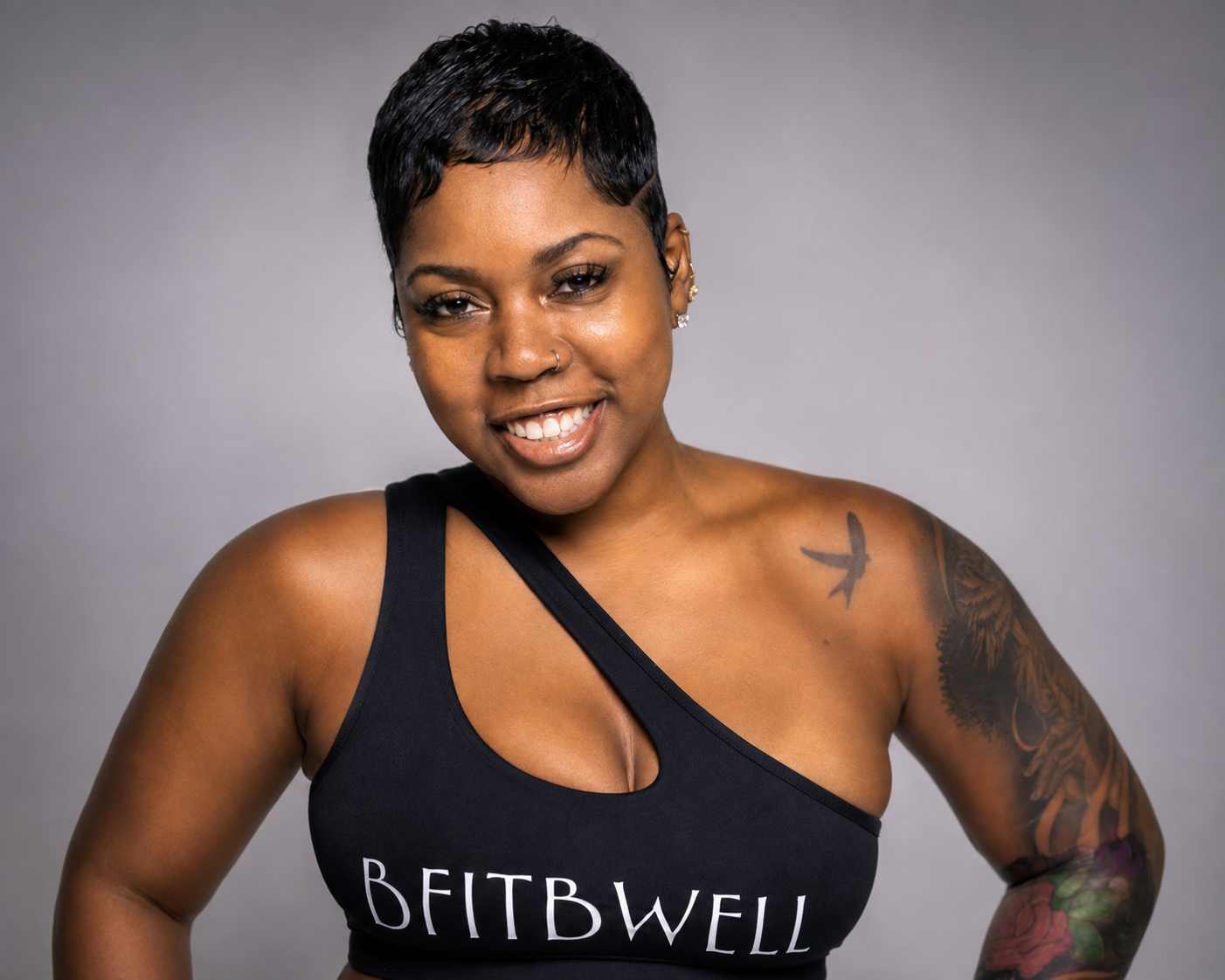
By Dr. Myava Clark, PhD, RRT-NPS, PNAP
As families and communities prepare to recognize Anti-Bullying Awareness Month, Dr. Myava Clark wants parents to consider a question that often gets overlooked:
What if we prepared children before the bullying happens?
For Dr. Clark, bullying prevention is not simply a professional interest. It is personal.
A college professor, educator, respiratory therapist, author, speaker, wife, and mother, Dr. Clark helped her son, Chris Clark Jr., navigate the effects of bullying when he was younger. Chris dealt with some cyberbullying when he was in middle school that left him dealing with anxiety and depression as a result. Subsequently, Dr. Clark has spent years helping young people and families understand the social and emotional skills children need to navigate relationships, school, technology, gaming, and social media.
But some of her greatest lessons did not come from a classroom or textbook. They came from raising her own children.
When the Professional Becomes Personal
Dr. Clark’s son, Chris Clark Jr., experienced social and emotional challenges while growing up. As a young person with learning differences, he sometimes struggled to understand social situations, communicate with peers, and find where he belonged. His experiences allowed Dr. Clark to see something important from both sides of the classroom. As an educator, she understood systems, instruction, and student development. As a mother, she understood what it felt like to watch your child struggle and wonder whether you were doing enough to prepare them for a world that did not always understand them. Those experiences eventually helped inspire Dr. Clark and Chris Jr. to co-found CASEN—Collaborative Advancement for Social-Emotional Needs.
Their mission centers on helping children develop the social-emotional skills needed to communicate, build healthy relationships, recognize unsafe situations, advocate for themselves and others, and make wiser choices online and offline.
Bullying Has Changed
Bullying no longer ends when a child leaves the school building. A hurtful comment can become a group chat. An embarrassing moment can become a video. A private photograph can become a meme. Exclusion can happen publicly through likes, comments, group chats, gaming communities, and social media platforms. For children who already struggle with social cues, impulsivity, communication, emotional regulation, or understanding friendship dynamics, navigating these environments can become even more complicated.
That is why Dr. Clark believes conversations about bullying must expand beyond simply telling children, “Tell an adult if something happens.” Children also need to know how to recognize what is happening. Is this bullying, conflict, teasing, or a misunderstanding? Is this person behaving like a healthy friend? What information should remain private? What should I do when something online makes me uncomfortable? How do I help someone else who is being targeted? When should I stop responding, save evidence, block someone, report the behavior, and involve a trusted adult? These are skills—and skills can be taught.
The CASEN Compass
Dr. Clark’s work is grounded in a simple framework called the CASEN Compass, built around four areas:
❤️ Connection — Build healthy relationships.
Children learn what healthy friendships look like, how to communicate respectfully, recognize unhealthy relationship patterns, and develop a sense of belonging without sacrificing who they are.
🛡️ Safety — Protect yourself and others.
Safety includes understanding boundaries, protecting personal information, recognizing bullying and cyberbullying, identifying unsafe behavior, and knowing when to involve a trusted adult.
📣 Advocacy — Use your voice to help yourself and others.
Children need permission and practice using their voices. Advocacy teaches them that asking for help is not weakness and reporting harmful behavior is different from simply trying to get someone in trouble.
🧭 Navigation — Make wise choices.
From peer pressure to digital footprints, children need opportunities to practice decision-making before encountering high-pressure situations on their own. The goal isn’t to frighten children away from technology. It is to prepare them to navigate it.
Social Media Readiness Should Come Before Social Media Access
Parents spend years preparing children for milestones. We teach them how to cross the street before allowing them to cross alone. We teach them the rules of driving before handing them car keys. We teach water safety before expecting them to swim independently. Yet children can enter complex digital environments with access to strangers, algorithms, group chats, gaming communities, and social pressure with very little preparation. Dr. Clark believes social media readiness deserves the same intentionality. The question should not only be, “Is my child old enough for social media?”
Parents should also ask:
“Is my child socially and emotionally prepared for what may happen there?”
A child’s age and a child’s readiness are not always the same thing.
Creating a Safer Place to Practice
That philosophy also inspired CASEN Connect™, an invitation-only, moderated environment designed to give children a place to practice communication and social interaction before navigating traditional social media independently.
Dr. Clark describes the concept as “social media with training wheels.”
Children are given structured opportunities to read, respond, communicate, and build confidence while learning digital citizenship and appropriate online behavior. The larger vision is not to keep children inside a protected environment forever. It is to help them develop the skills they will eventually need outside of it.
A Message to Parents During Anti-Bullying Awareness Month
Dr. Clark encourages families to use Anti-Bullying Awareness Month not only to talk about what children should do after bullying occurs, but also to strengthen the skills that may help them recognize and respond to difficult situations earlier. Start conversations before there is a crisis. Ask your child who they spend time with online. Learn the games they play. Talk about what healthy friendship looks like. Discuss what they would do if someone asked them to keep an uncomfortable secret. Ask who their trusted adults are. Practice what they could say if they witnessed someone else being bullied. And perhaps most importantly, create an environment where children know they can come to you—even when they have made a mistake. Because prevention isn’t one conversation in October. It is connection built throughout the year.
Turning a Family’s Experience Into a Mission
What began with one family’s experiences has grown into a larger mission for Dr. Myava Clark and Chris Clark Jr.: helping families raise children who are not only safer online, but more confident in themselves. For Dr. Clark, that is where bullying prevention begins. Not with panic. Not with fear. And not only after something has gone wrong. It begins with preparation. It begins with connection. It begins by giving children the tools, language, practice, and trusted relationships they need before difficult moments arrive. Because in a world that can be incredibly noisy, every child deserves a compass.
Is Your Child Ready?
Before your child enters the world of social media, do you know if they’re truly ready?
Discover your child’s strengths—and where they may need more support—across the four directions of the CASEN Compass:
❤️ Connection – Can they build and recognize healthy relationships?
🛡️ Safety – Do they know what is safe to share and what should remain private?
📣 Advocacy – Do they know how to speak up for themselves and others?
🧭 Navigation – Can they make wise decisions about what they post, share, and do online?

Don’t guess about your child’s readiness. Find out.
Take the CASEN Social Media Readiness Assessment at Mothers of Exceptional Kids and discover the next skills your child needs before social media.
Prepare Before They Participate