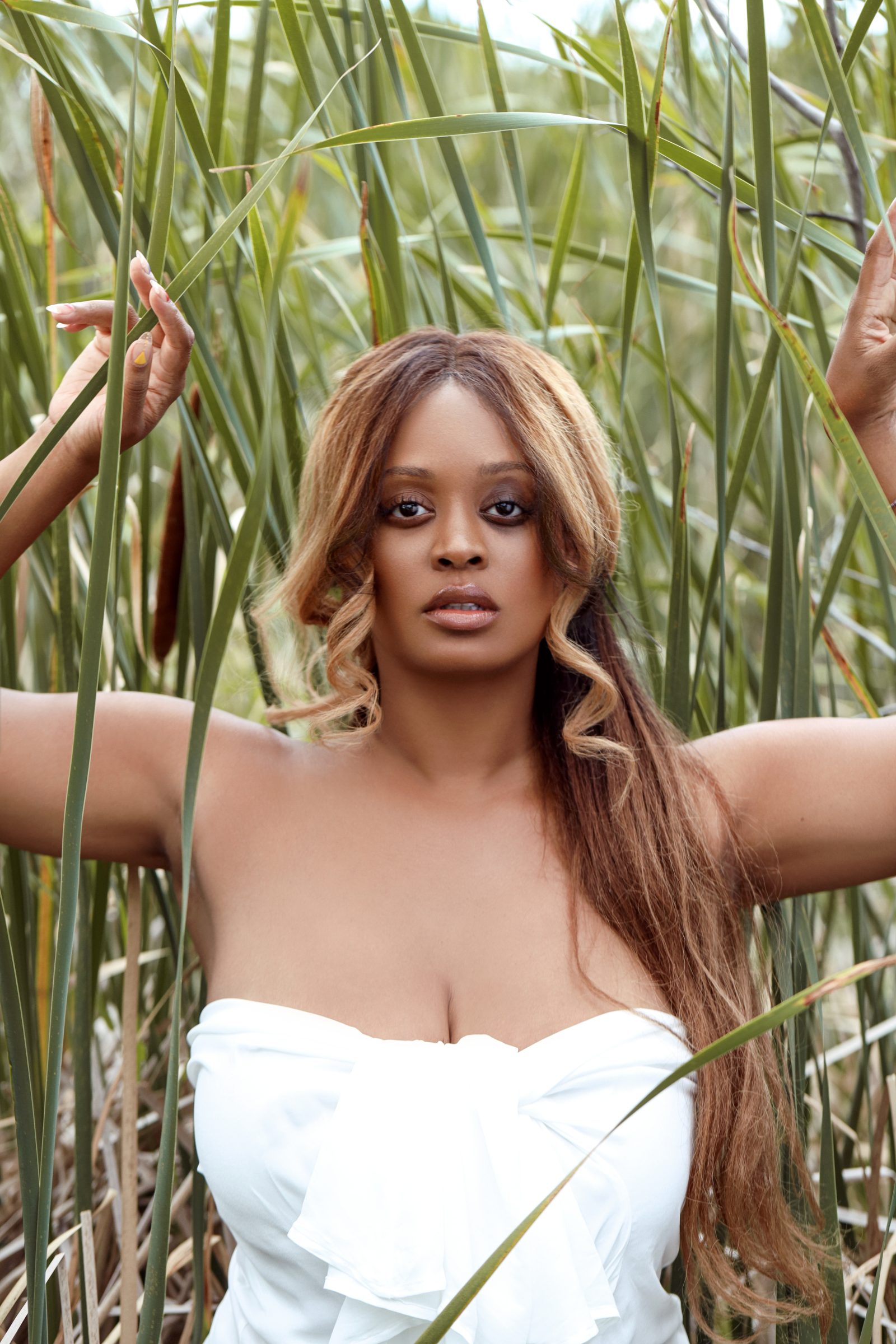
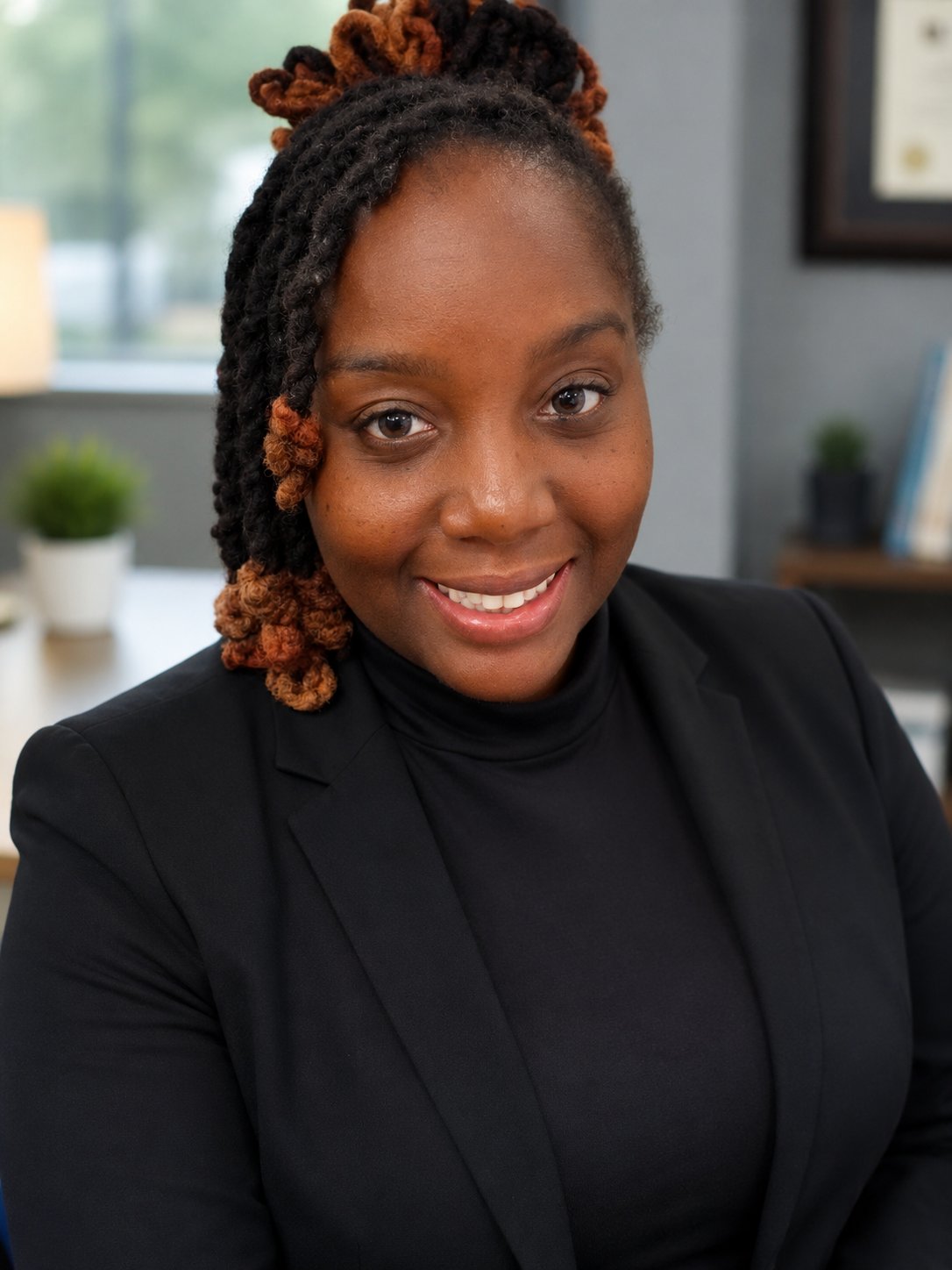
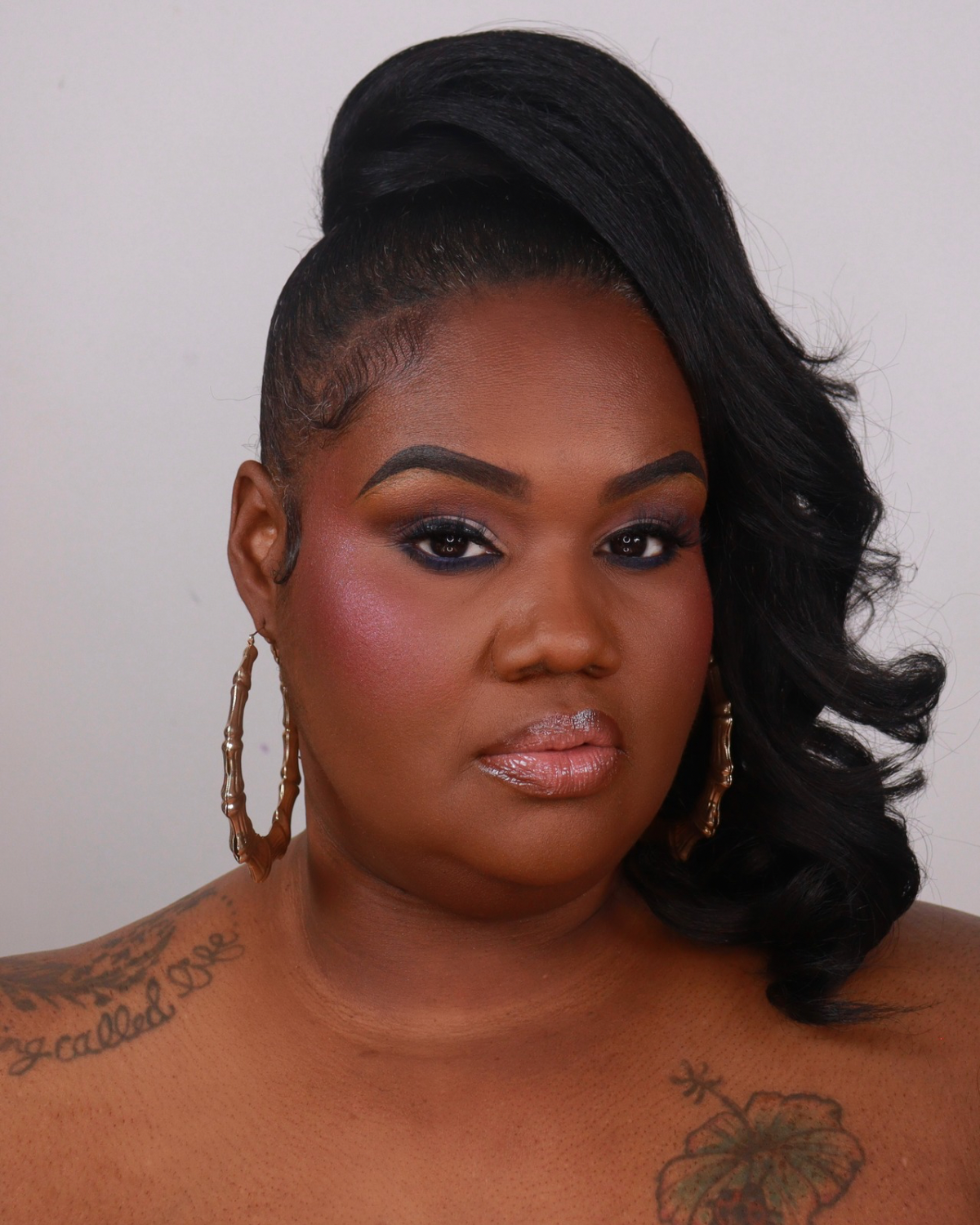
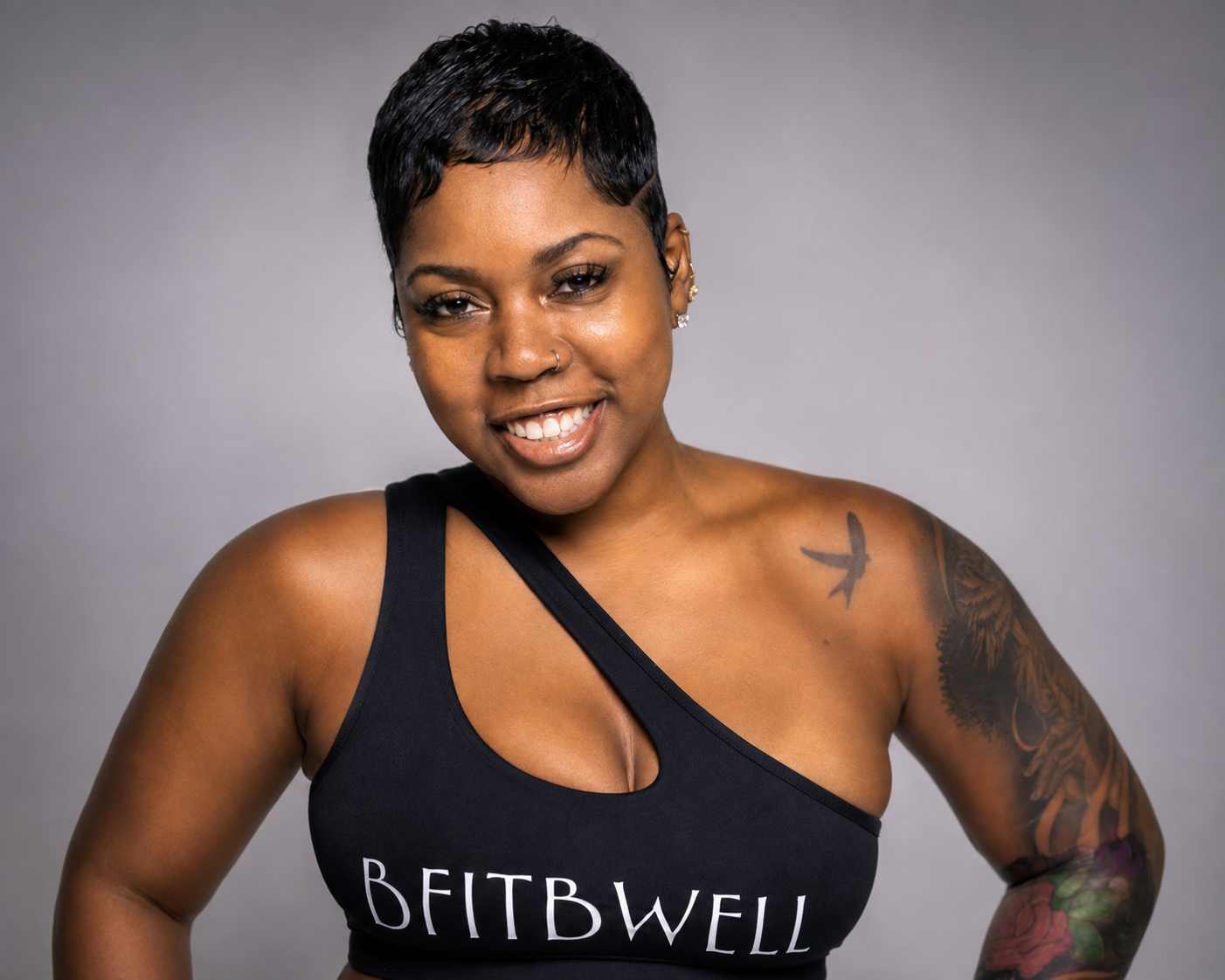
For some, advocacy is a profession. For others, it is personal. For this trauma coach, advocate, and storyteller, the work was born at the intersection of lived experience and systems that too often fail the very people they are meant to protect. With a background in child welfare and a deep commitment to healing centered advocacy, she is using her voice to challenge narratives, restore dignity, and create spaces where truth and healing can coexist.
Fancy: What inspired you to become an advocate and trauma coach?
Blaque Diamond: Honestly, it came from seeing too much and staying quiet for too long. I’ve experienced parts of what I now advocate for, and I’ve worked inside systems that don’t always protect the people they say they’re helping. At some point, I realized I couldn’t just do the job—I had to speak up. Advocacy became personal, and trauma coaching became the way I help people heal instead of just cope.
Fancy: How did your personal and professional journey lead you to this work?
Blaque Diamond: My career in child welfare gave me the training, but life gave me the understanding. I’ve supported families professionally while navigating my own moments of rebuilding. That overlap taught me that credentials matter, but lived experience matters too. This work feels less like a career and more like a calling.
Fancy: What are the biggest challenges facing children in foster care today?
Blaque Diamond: Instability. Too many moves, too many adults making decisions, and not enough listening to the child. A lot of kids are reacting to trauma, but they’re labeled as “problem behaviors” instead of kids who are hurting.
Fancy: Why are grandparents’ rights often overlooked?
Blaque Diamond: Because grandparents usually step in quietly. They don’t ask for recognition; they just do what needs to be done. Unfortunately, the system doesn’t always value that kind of love unless there’s paperwork attached.
Fancy: How do women and Indigenous communities face unique systemic barriers?
Blaque Diamond: Their experiences are often questioned, minimized, or misunderstood. There’s history there—generational trauma, bias, lack of access—and instead of support, they’re often met with scrutiny or punishment.
Fancy: How does trauma show up differently in children and adults?
Blaque Diamond: Kids act it out. Adults tend to hold it in. A child might have outbursts or shut down, while an adult might stay busy, numb, or emotionally guarded. Either way, it’s trauma trying to be seen.
Fancy: What does healing-centered advocacy mean to you?
Blaque Diamond: It means I’m not just fighting systems—I’m focused on people. It’s about restoring dignity, helping folks feel seen, and reminding them more than what happened to them.
Fancy: What are common myths about mental health you want to dispel?
Blaque Diamond: That strong people don’t struggle—and that healing is quick. You can be successful, spiritual, and still need support. None of that cancels out the other.
Fancy: What inspired the creation of your podcast?
Blaque Diamond: I wanted a space where people didn’t have to perform or pretend. Just real conversations, real stories, and a reminder that you’re not alone in what you’re carrying.
Fancy: How does storytelling create social change?
Blaque Diamond: Stories make people feel. And once people feel something, they start paying attention—and that’s where change begins.
Fancy: What impact has AXXESS GRANTED had so far?
Blaque Diamond: It’s created access to information, conversations, and representation that individuals and families don’t usually see. It’s opening doors that were long closed.
Fancy: What advice would you give to survivors turning their pain into purpose?
Blaque Diamond: Heal first. Purpose will come. You don’t owe anyone your story before you’re ready to tell it.
Fancy: How can communities better support vulnerable families?
Blaque Diamond: By leading with compassion instead of judgment. Ask what families need instead of assuming. And show up before things fall apart—not after.
WAYS TO CONNECT
Email: basicblaqueessentials@gmail.com
Website: BasicBlaque.com
Instagram: @basic_blaque
Phone: 443.503.3056
Facebook: facebook.com/authorblaque.diamond
YouTube: youtube.com/@blaquediamond2262