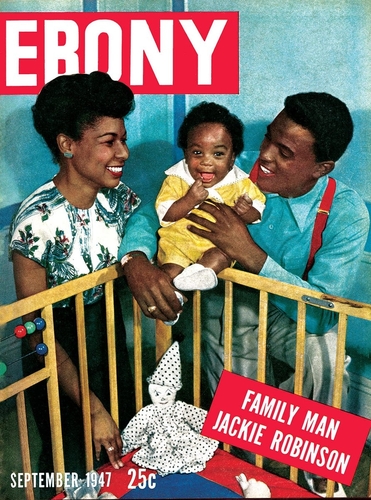
Today in my research for my business plans I came across an article from the Chicago Tribune regarding Ebony Magazine that made me read the entire 2500+ word story. The freelance journalist is, Adeshina Emmanuel, and the story was published back in June of 2017.
More than a dozen writers, most of them black, have broadcast the company’s mistreatment of freelancers on Twitter using the hashtag #EbonyOwes, sharing stories of ignored calls and excuses from Ebony’s accounts-payable department.
Growing up, turning the pages of Ebony mag inspired my current existence. I really couldn’t fathom how the biggest African-American magazine was penny-pinching Black journalists on the sake of human resources issues and mismanagement at the top. Why is it that the hard working folks on the ground never get their checks cut in time? It happens more in Black owned businesses then in other minority-owned businesses.
Many journalists say their ordeal has been distinctly painful because of their reverence and love for the 72-year-old Ebony brand, which has struggled to retain its relevance in the digital age and among younger audiences.
Years ago when I first began blogging I was very clear that I didn’t want to write for voices that already had something to uphold. It set a lot of folks back. I have friends who work at VH1 and The Source. They do not have freedom. They have paychecks. What I figured from the jump was that online publications were competing for the same advertisers unlike print publication where placements are handled much differently. As per Ebony, nah.
Liz Dwyer, a Los Angeles-based journalist, is one of the writers who has connected with the union to fight for payments from Ebony. She wrote three stories for the magazine’s February issue about how black Americans can respond to the presidency of Donald Trump, and says she hasn’t been paid for any of them. She’s “had to harass a publication to be paid†in the past, but with Ebony, she fears that talented black journalists, whether long in the tooth or cub reporters, may be hurt in their pockets and morale, and give up on their journalism dreams.
This is the boycotting era. If a white owned brand takes social media slack for too long then we attack like white blood cells. Whose holding our people at the top accountable however? Not us. It is important to understand that freelancers and journalists operate from a space of creativity and respect. It is unfortunate to know that a brand such a Ebony treated their own fans turned employees like this.
Pioneering black publisher John Johnson launched the Ebony brand in 1945, three years after launching Johnson Publishing Company. As the story goes, Johnson couldn’t get a loan from a bank because he was black, and instead used his mother’s furniture as collateral to raise $500 to launch the company. His first publication was the Negro Digest. Ebony would debut three years later, and newsweekly magazine Jet launched in 1951. By the early 1980s, Johnson was worth more than $100 million. He died in 2005.
Did anyone else noticed the #EbonyOwes hashtag on Twitter last year? That’s the point.