Memorial Day weekend carries a very specific kind of energy.
For many, it marks the unofficial beginning of summer. It’s when calendars suddenly fill up, group chats become unnecessarily chaotic, and the phrase “So what’s the move?” starts appearing with alarming frequency from people who have contributed absolutely nothing to the planning process.
For Black families and friend groups especially, Memorial Day weekend has evolved into more than just a holiday. It’s a cultural event built around food, music, connection, laughter, and, if we’re being honest, at least a little dysfunction.
If you’ve attended enough cookouts, family functions, or “small gatherings” that somehow turn into all-day productions, you know there are certain unspoken rules everyone is expected to understand.
Not because anyone formally announced them.
But because community has standards.
RSVP Like the Grown Adult You Claim to Be
One of the quickest ways to create unnecessary stress for a host is treating invitations like vague suggestions.
If you know you aren’t coming, say so. If you’re bringing additional guests, communicate that in advance. If your attendance depends on factors you haven’t figured out yet, at least be honest about that.
What does not help is the infamous “I’ll let you know” followed by radio silence, only for you to show up with extra people once the food has already been portioned.
Holiday gatherings require actual preparation. Food gets purchased. Seating gets arranged. Budgets get stretched. While spontaneity may feel fun for the guest, it often translates into extra labor for whoever is hosting.
Stop Volunteering Other People’s Homes
This deserves its own public service announcement.
There is almost always someone in every family or friend group who casually decides another person’s home is the perfect venue without first consulting the actual homeowner.
That is not generosity.
That is delegation without consent.
Hosting is work. Preparing a home for guests takes time, energy, and often money. Cleanup afterward is an entirely separate production.
The assumption that the person with the most space should automatically host feels less like community spirit and more like strategic avoidance.
If you volunteer a location, make sure it belongs to you.
Bring Something Useful
No one expects every guest to arrive with a full meal, but showing up empty-handed to a holiday gathering where someone else has done all the work is a bold choice.
Contributing doesn’t have to be complicated. Drinks, dessert, fruit, chips, napkins, ice, or even offering to help with setup can go a long way.
And if you specifically volunteered to bring a signature dish, this is not the time to test a completely new recipe with ingredients no one can pronounce.
Memorial Day cookout culture operates on trust.
Respect the assignment. 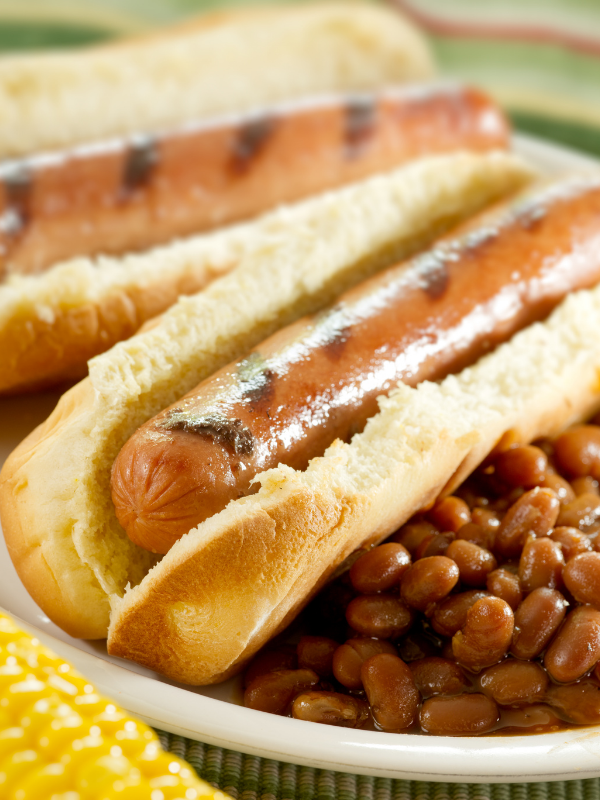
Timing Is Everything, Especially for Family Drama
Family gatherings have a remarkable ability to surface unresolved issues with suspicious timing.
An old disagreement resurfaces. Someone brings up something from a previous holiday. A harmless conversation takes an unnecessary turn.
If there are tensions already floating beneath the surface, Memorial Day is probably not the ideal setting to unpack them before everyone has eaten.
There should be at least a reasonable grace period between arrival and emotional conflict.
Let people get settled. Let the food circulate. Let joy have a chance.
Conflict timing matters.
Respect the Playlist
Music is not background noise at a Black cookout.
It is infrastructure.
A proper Memorial Day playlist should reflect range, nostalgia, energy, and collective agreement. That means making room for the classics, the songs that bring generations together, and the tracks that practically require somebody to stand up and dance whether they intended to or not.
Naturally, Beyoncé belongs in the conversation. Frankie Beverly is non-negotiable. Earth, Wind & Fire will likely make an appearance. Early 2000s favorites deserve their moment.
What does not work is one person abruptly hijacking the entire vibe to force a highly specific playlist no one else asked for.
The music should feel communal, not controlling.
To-Go Plates Require Discernment
Sending guests home with food is one of those quiet expressions of love embedded in our culture.
But like many good things, moderation matters.
A reasonable plate to take home? Perfectly normal.
Packing enough food to survive through midweek while the host hasn’t even fixed their own plate? A little aggressive.
Hospitality is beautiful. So is situational awareness.
Accept That Children Will Behave Like Children
Every family function includes children moving at full speed with questionable decision-making and unexplained stickiness.
Someone will cry. Someone will ask for food and immediately reject it. Someone will narrowly avoid disaster involving furniture, beverages, or an adult trying to relax.
This is not unusual.
It is part of the ecosystem.
Expecting perfect silence, emotional regulation, and polished behavior from children at an all-day family gathering is wildly optimistic.
Patience remains the wiser strategy.
Don’t Forget What Memorial Day Actually Represents
As much as Memorial Day weekend has become associated with cookouts, vacations, and the beginning of summer, the meaning behind the holiday still deserves acknowledgment.
Memorial Day exists to honor military service members who lost their lives serving this country.
That significance should not disappear entirely beneath the food, music, and social traditions.
Celebration and remembrance can coexist.
Joy and gratitude can share space.
And perhaps that balance is part of what makes the weekend meaningful in the first place.
Let’s Wrap This Up
Memorial Day weekend, especially in Black communities, often reflects some of our best qualities: generosity, humor, resilience, hospitality, storytelling, and the ability to turn even simple gatherings into memorable experiences.
But community works best when everyone contributes something meaningful, whether that’s food, honesty, respect, emotional maturity, or at the very least, their own folding chair.
Because if there’s one truly universal rule of Black holiday culture, it’s this:
Nobody likes an unprepared guest.