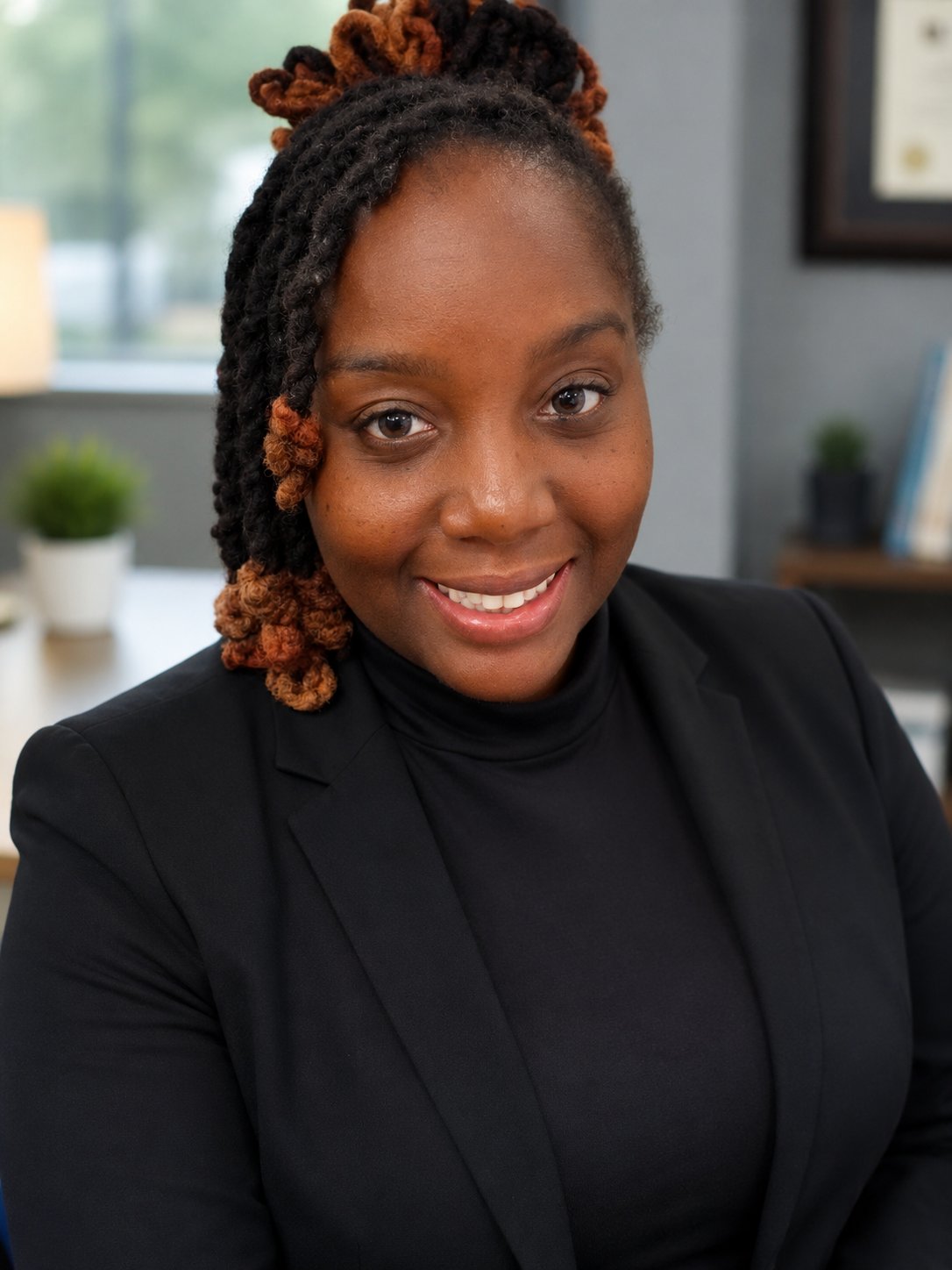
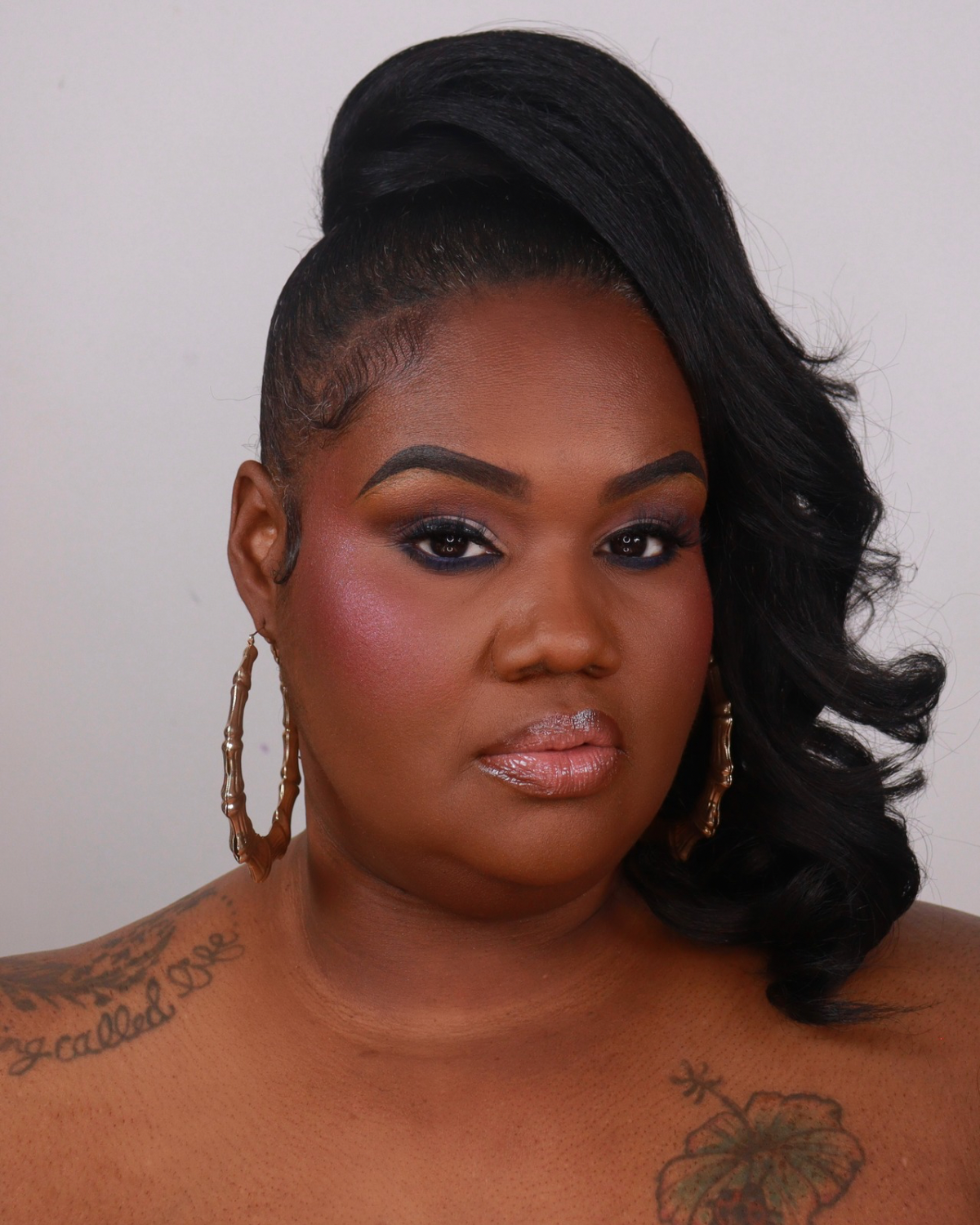
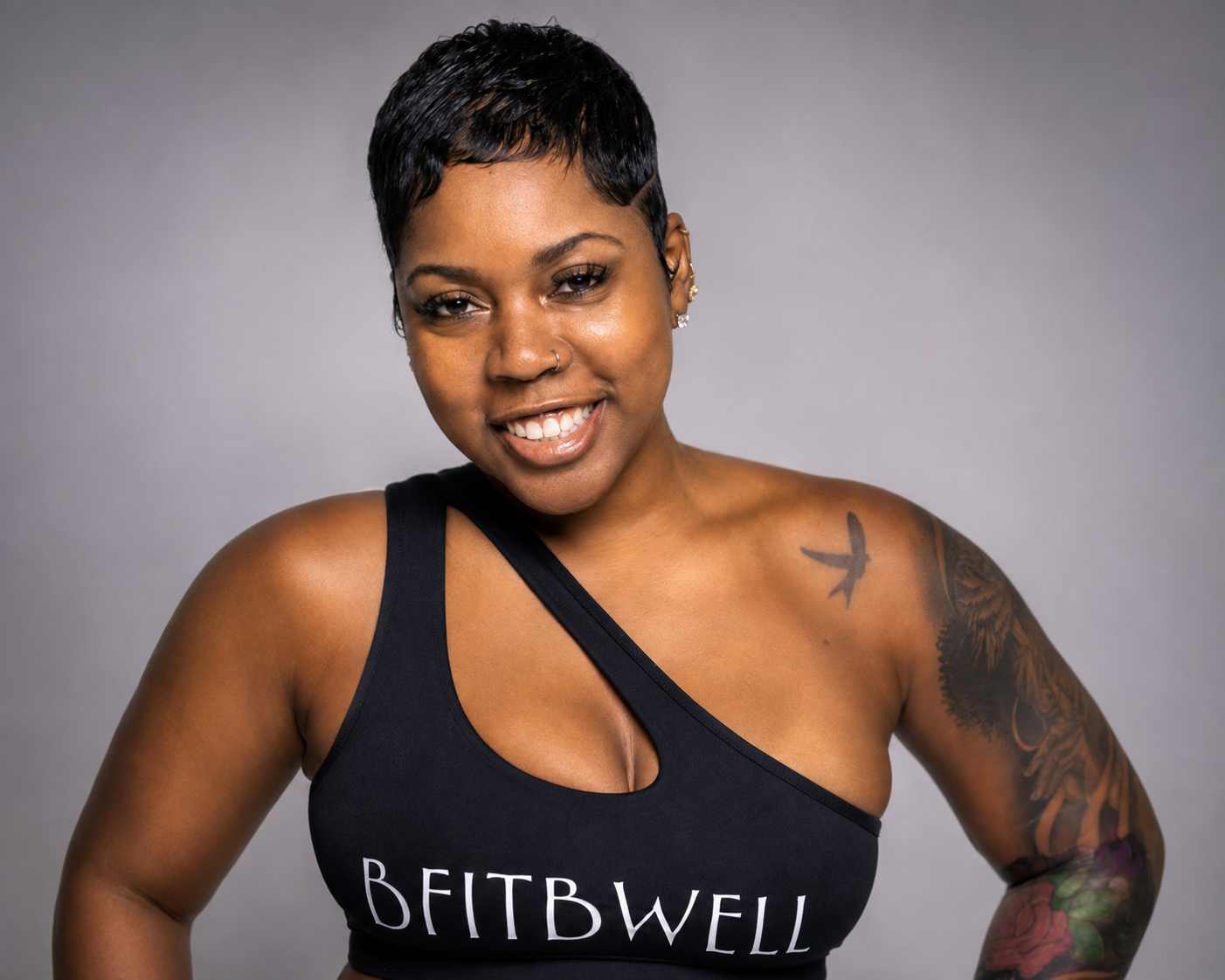
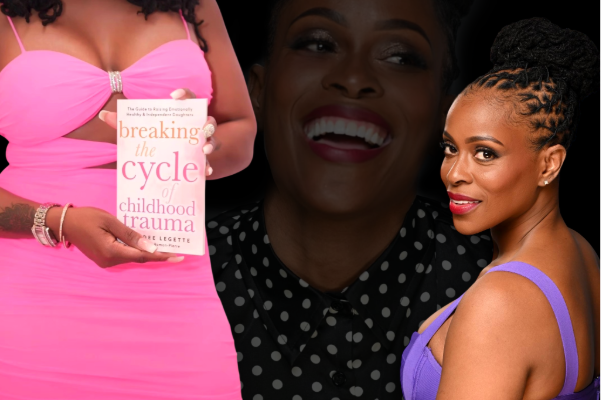
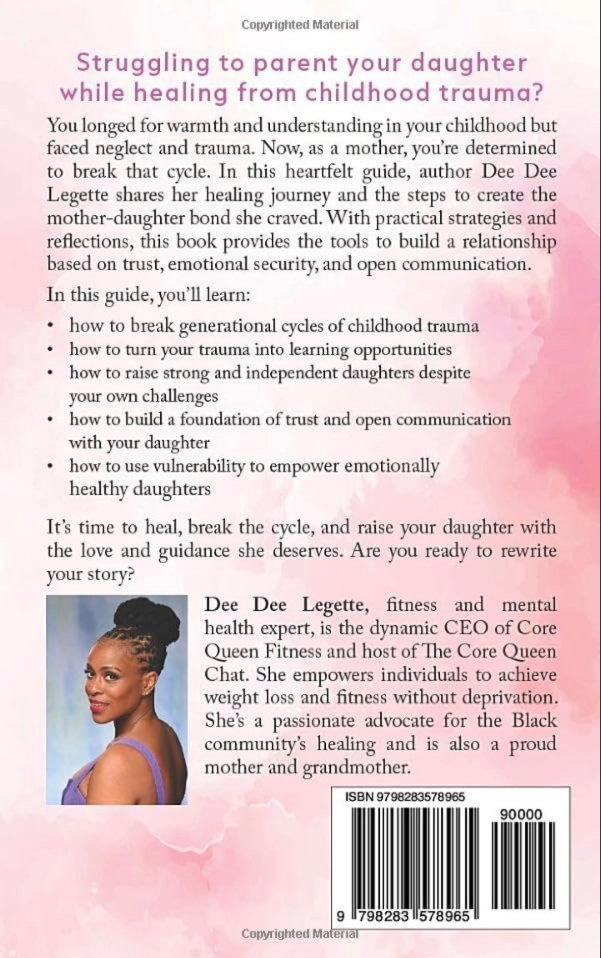
For many women, healing is not a single moment — it’s a courageous, ongoing decision to confront the past and rewrite the future. For retired U.S. Air Force veteran, entrepreneur, and author Dee Dee Legette, that decision became a life mission. Through her powerful new book Breaking The Cycle of Childhood Trauma, Legette invites readers into a deeply personal journey of accountability, transformation, and intentional healing.
Based in Charlotte, North Carolina, Legette has built a life defined not by the trauma she endured, but by the strength she developed in confronting it. A wellness advocate, actress, and community leader, she has dedicated her work to helping others move from survival mode to self-leadership. As the Founder and CEO of Core Queen Fitness and the founder of Evelyn’s Joy Community Outreach, her impact extends beyond storytelling into real-world empowerment — supporting individuals and communities seeking healthier, more purposeful lives.
In this candid conversation with SwagHer Magazine, Legette reflects on the moment she realized generational trauma would end with her, the discipline required for emotional healing, and why financial independence, therapy, and intentional parenting are key to rewriting family narratives. Her message is clear: trauma may shape the beginning of a story, but it does not have to determine the ending.
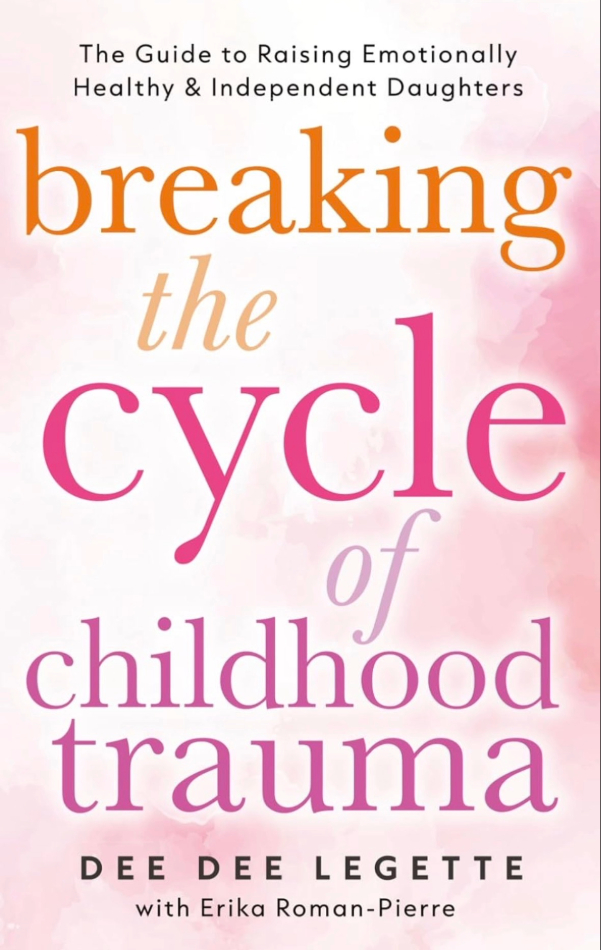
Your book Breaking The Cycle of Childhood Trauma isn’t just a title — it’s a declaration. What was the moment you realized the cycle stopped with you?
Dee Dee: The moment my daughter broke down and told me that I was partially at fault for her relationship and abandonment issues at the time. I had always blamed her absent father without considering how my unhealed and unchecked trauma was affecting her as well. That moment was earth-shattering. I was determined to help fix whatever damage I had done. The realization that I was continuing a trauma-filled cycle was unacceptable for me, and it stopped that day.
You write from lived experience, not theory. What did you have to confront within yourself before you could truly begin healing?
Dee Dee: I had to confront the idea of calling out the very people who hurt me without feeling guilty. I had to confront the fact that the awful things that occurred when I was a child were not my fault, but I could no longer use them as an excuse to act out. I had to confront that my trauma was not my fault, but my healing was and will always be my responsibility. I had to finally confront ME!
Swagher is about ownership and elevation. How do you turn trauma into a learning opportunity without letting it define your identity?
Dee Dee: Being able to relate to those who have not yet done the work and to provide them with hope is my number one priority on this healing journey. Once I was able to identify my triggers and was able to call myself out on how my past trauma affected me and others, I became determined to intentionally build a newer, stronger identity. My trauma could never define me. It provides an opportunity for me to meet people where they are and bring my true, authentic self to the table without judgment. I genuinely want everyone to heal. If I made my trauma my identity, I would be doing a major disservice to the little girls out there who are counting on me.
Generational trauma can feel invisible but deeply ingrained. What are some subtle signs women might be repeating patterns they swore they’d never pass down?
Dee Dee: Some subtle signs include hyper independence, not protecting our wombs, lack of accountability, and overly emotional reactions to minor situations, just to name a few. These are all trauma responses. These things have literally been passed down through generations due to some type of traumatic situation and have become our automatic response. Women have got to do a better job in controlling our outcomes. We hold all the power if we manage it properly.
You speak powerfully about raising strong and independent daughters despite your own challenges. What intentional shifts did you make in your parenting to ensure your daughters inherited strength, not survival mode?
Dee Dee: I joined the United States Air Force when I was 19 years old to ensure my daughter would have a fair chance at life. I made the sacrifices so she wouldn’t have to endure what I did. I wanted to make sure she had financial freedom by giving her the gift of a free college education. She took full advantage of this and is now a Registered Nurse with zero student loans. I made sure she was able to sustain a comfortable lifestyle without having to struggle like I did. Now she is married with two beautiful children and is living a very comfortable lifestyle with her husband. She will never experience survival mode as long as she is my daughter.
Trust and open communication don’t just happen — they’re built. What are practical ways mothers can create emotional safety in their homes?
Dee Dee: This is a tough one because foundation matters. How was the mother/daughter relationship built? Has it been a safe space? If not, my number one recommendation is therapy. Having a non-biased party involved in providing a safe space for both parties is imperative. Of course, they must be willing. Scheduling regular one-on-one mother/daughter dates to spend quality time with each other will help tremendously. This will provide a level of consistency as well. Lastly, one thing my daughter requested from me was for us to take an annual family trip. That has helped us build such a close bond while creating lifelong memories.
Vulnerability is often misunderstood as weakness. How has your willingness to be open about your pain empowered emotionally healthy daughters?
Dee Dee: My willingness to open up has empowered women, young ladies, and little girls all over the world to have a voice. They see this Air Force veteran as being vulnerable and open about things they can relate to. That is powerful, and it validates everything they’ve been feeling. I have given them the ability to be seen. That is empowering.
Thank you for your service! As a retired U.S. Air Force veteran, entrepreneur, and wellness advocate, how did discipline and structure help you navigate emotional healing?
Dee Dee: Once you master discipline, you become unstoppable. The Air Force reinforced the discipline and structure that my grandmother and being an athlete always instilled. Navigating the emotional healing was something that I had to really put effort into. Emotional healing requires discipline that far exceeds physical discipline. Emotional healing is a lifelong challenge that I will face forever, but I now have the tools to do so. Thanks to therapy and my willingness to do better.
You’ve built businesses rooted in wellness and community impact. How important is financial independence in breaking generational cycles?
Dee Dee: Financial independence is one of the most powerful tools for breaking generational cycles, because it changes both options and mindset.
- It creates choice instead of survival mode.
- It changes what children see.
- Generational cycles are often learned behaviors. When children grow up seeing budgeting, investing, ownership, and philanthropy, they begin to view wealth building as normal and attainable rather than distant or impossible.
- It allows you to build assets, not just income.
- Income pays bills. Assets build legacy.
- It gives space for healing and wellness.
- Financial stress is one of the biggest drivers of trauma in families. When money pressure decreases, people can focus on mental health, community building, and personal growth, which helps stop cycles that are emotional as well as economic.
- It turns one person’s breakthrough into a family blueprint.
- When one person becomes financially independent, they often become an example and educator for the rest of the family, teaching financial literacy, opportunity, and ownership.
In communities focused on wellness and impact, financial independence isn’t just about wealth; it’s about freedom, dignity, and rewriting the family narrative for the next generation.
For the woman reading this who knows she needs to heal but doesn’t know where to start — what’s her first courageous step?
Dee Dee: Therapy! I am a HUGE advocate for therapy. It saved my life. Start by searching for a therapist who matches what you believe you are looking for. My therapist is a black woman who has experience with black female military veterans. Those things were important to me. Find what works for you and be consistent, honest, and transparent in each session. If she is serious about healing and breaking those generational cycles, she will do the work.
Legacy is a major theme in your journey. What does generational wealth look like beyond money?
Dee Dee: Leaving my whole healed thoughts, experiences, advice, knowledge, and wisdom for my children, grandchildren, and generations to come. Maintaining a healthy lifestyle so that I am here long enough to enjoy my great-grandchildren’s children. Altering my epigenetics to eliminate all the passed-down trauma left by my ancestors. Making sure my branch of the family tree changes the way my descendants experience life. ABUNDANTLY!
When people finish your book, what internal shift do you hope takes place?
Dee Dee: When people finish my book, I hope they experience a shift from limitation to possibility.
I want them to realize that the stories they’ve been told, or the ones they’ve been telling themselves about what they’re capable of don’t have to define their future. The biggest transformation I hope for is that readers begin to see themselves as the author of the next chapter of their life, not just a product of their past.
I hope they walk away with three internal shifts:
First, self-awareness.
A deeper understanding of how their experiences, beliefs, and patterns have shaped where they are.
Second, self-permission.
The courage to release guilt, shame, or fear that has kept them small, and to believe they are worthy of growth, healing, and success.
Third, self-leadership.
The confidence to take intentional steps toward the life they actually want, whether that’s healing, building wealth, serving their community, or pursuing a dream they once thought was out of reach.
Ultimately, I want readers to close the book and feel empowered, not just inspired, because inspiration fades, but a shift in how you see yourself can change the trajectory of your entire life.
More About The Core Queen, Dee Dee Legette:
https://velve.app/deedeelegette
Read more SwagHer Spotlights