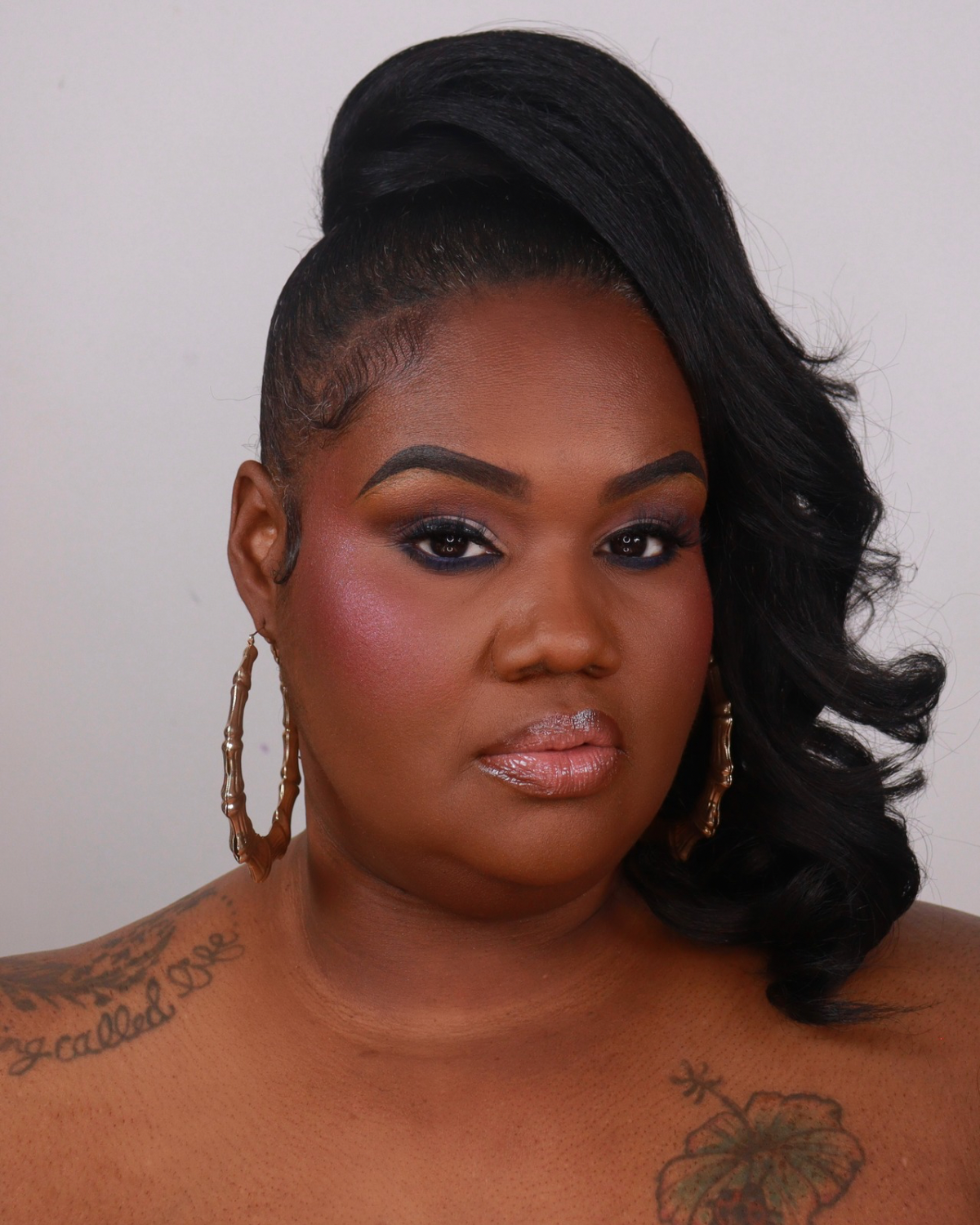
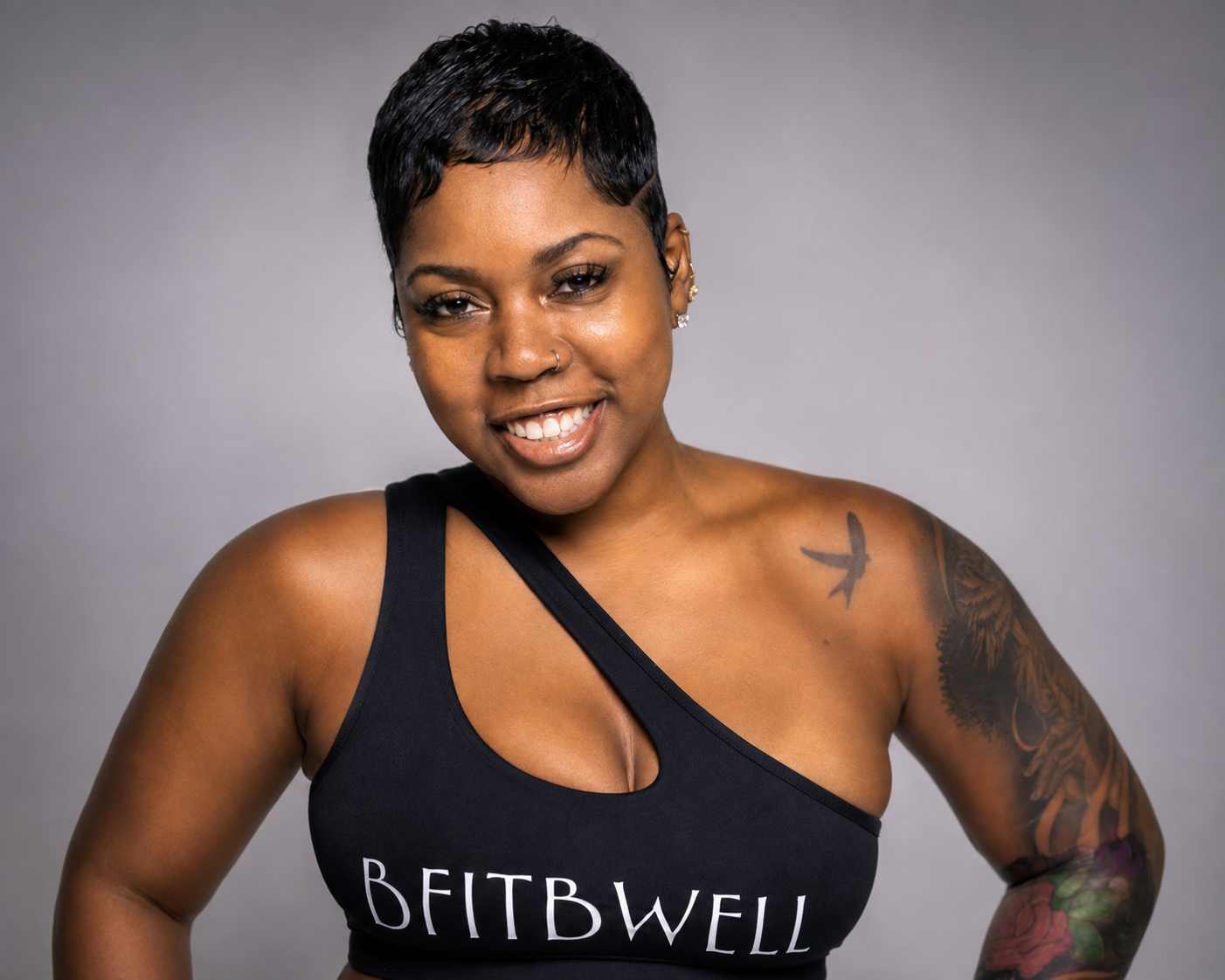
Cherrie ‘Cher’ McRae’s journey from actor to director is a testament to her versatility and resilience in the entertainment industry. As a multifaceted talent, Cher has built an impressive career, making her mark not only as a skilled actor but also as a director, philanthropist, and public figure. Starting in Miami, Florida, with her first role in a local Urban Soap Opera, Cher has since appeared on major networks like Hulu, BET, Starz, and Disney, accumulating over 50 on-screen credits. Her dedication to the craft has taken her across the country and internationally, refining her skills in markets like New York City, Los Angeles, and Toronto.
Cher’s passion for storytelling led her to transition behind the camera, where her strong educational background in Business Administration and Theatre Arts provides a unique perspective. In this interview, she shares insights into her journey from actor to director, her approach to balancing creative vision with collaboration, and her advice for those looking to follow in her footsteps.
Fancy: You began your career in front of the camera and have now successfully transitioned to directing. What initially drew you to directing, and how did your experiences as an actor influence your approach behind the camera?
Cher: Well, 90% of my career remains in front of the camera. However, the other 10% split is directing and producing content. My transition to directing resulted from an intense love for unpacking a good story. And it was, surprisingly, a pretty fluid transition. I, innately, have a dominance about me, a ‘take charge’ focus in life. I recall moments in my career when jobs were few and far between. Heightened frustrations of wanting to embody a certain pedigree of a character(s) and hearing more no’s than yes as an actor led me to write my own material and fill my own role(s) as leading lady while also casting other skilled artists, providing them with job opportunities. I began officially writing in 2016 and produced and directed my first set of Independent projects in Spring 2017. ‘Director’ has a nice ring, but behind the title lies a heavily layered occupation with multiple complexities. I spent the bulk of my time witnessing directors go through various stages of trial and error, extremely long days on set, firm decision-making abilities, time and budget awareness, active listeners, and constructively managing a team of individuals who brought to the table a melting pot of skill sets and unique personalities. With Directing, a lot like acting, you must have ferocious stamina. Your craft has to be a passion pursuit.
How do you balance staying true to your creative vision while collaborating with writers, actors, and other production team members when directing?
Cher: Great Question. It is a repetitive life and learning curve, trust me. My near-proven theory has been extensive communication, especially in the pre-production phase of filmmaking. Several brainstorming sessions outline clear expectations, including assorted ideas, open-mindedness, a good balance of structure and fluidity, planning/prep, and mapping out well before I utter the word ‘Action.’ All of the above helps alleviate misunderstandings and breakdowns in communication while promoting clarity, respect, and synergy amongst vast personalities and skill sets. Ultimately, I proactively hire the right mix of teammates and team players who adopt my overall vision as a preface, then work and re-work the plan as a collective from there.
Fancy: You’ve directed a range of projects from drama to comedy. How do you approach directing different genres, and what strategies do you use to ensure each project stands out?
Cher: Filmmaking in its Developmental phase is non-formulaic for me. I prefer my projects to have different DNA imprints. I deliberate in uniquely branding them with their features, functions, and personalities. I approach them all with pre-scribed motivation and Intention. At story start-up, I assign a specific concept that carries through all stages of its production. My “strategy” is clothed in “feeling.” What would I like people to FEEL this time? What do I want an audience to take away this time? How can I better tether an audience’s experience? Some stories serve societal climates, leaning more towards advocacy, while others are less thought-heavy and just give folks a feel-good feel.
Fancy: What types of stories or themes are you most passionate about exploring in your future directing projects? Are there any particular genres or narratives you haven’t yet tackled that you’re eager to explore?
Cher: As an actor, I’m ready to sink my teeth into an action-packed series or trilogy. As a director to 1) working abroad and 2) on a part-animated/part-theatrical series (think Alvin and the Chipmunks franchise).In the meantime, however, I will say any body of work that will continue to build upon my reputable portfolio.

Fancy: What advice would you give to actors considering stepping into the director role? What key skills or mindsets should they develop to make that transition successful?
Cher: Rest assured, despite popular opinion, you don’t have to go to Film School to be a successful filmmaker/director. I would advocate getting as much production-related onset, off-set experience you can muster up. Literally, work in every unit and every department from the development, pre-production, and post-production stages. Consider cultivating your creative niche; study various storytelling styles; identify your story strengths and areas of improvement; and follow the work paths of other directors you admire, want to work alongside, or feel would be suitable for mentorship. Workshop, Workshop, Workshop! Get to know as many creatives as possible and format a contact ‘retrieval list’ of contractors, subcontractors, and peers (crew, actors, investors) to whom you can reach out when you are ready to move forward (i.e., Build your network). Directors, PLEASE take at least one acting/drama class during the infancy stages of your career. Actors leaning toward directing take a production assistant (PA) course or the like. Tag team on-set experience with below-the-line technical training, book smarts, and hands-on skill building. Consider adding a Public Speaking session to your repertoire, as you’ll have to effectively manage your set(s) and articulate your needs to large groups of people. Volunteer your time with industry affiliates, film festival boards, organizations, etc. Travel and familiarize yourself with other markets. Build your mental stamina and brace yourself for the outpour of rejection. No question is a stupid question, so ask plenty of them on your journey. Build your confidence… Leap!
Stay connected with Cher at @cherriemcrae_ig.