Many of the top high school prospects around the country dream of the day they can set foot on a premiere Division I school’s football field. They visualize the moment they could put on the uniform, walk through the tunnel, and be greeted by 70,000 screaming fans. They relish the opportunity to play on national television every week and compete for the chance to earn a trip to the BCS National Championship game. Although they’re enjoying the college experience, a legitimate shot at the NFL is within reach. A large percentage of young African-American men occupy these team rosters. Years ago young black student-athletes dreamed of playing college football, but back then the landscape was a bit different.
College football got it’s start in 1869. In 1923 the process of integration and giving black student-athletes the opportunity to play for the premier football programs got off to a slow start. You would see a few here and a few there, but all the qualified black college football recruits didn’t receive a legitimate opportunity from the premiere programs.
The black prospect had to turn to a fast-growing alternative. Prior to 1965, the majority of black football players played at Historically Black Colleges & Universities (HBCUs). The HBCU players displayed heart, desire, and passion for the game. The most eye-catching component of the HBCU football player was the athleticism. The games were competitive and action-packed. Many legendary NFL football players are products of HBCUs.Â
In the 1970s, the integration of college football programs finally made its mark in the south. At this point, all of the premier programs were on board with giving the black student-athlete a fair chance to play football. The black athlete excelled and so did the game of football on the NCAA Division I level. Historically Black Colleges & Universities took a big hit due to the new landscape. As time marched on HBCUs became an afterthought to most of the top African-American prospects. Thanks to a newly acquired portal system, the HBCUs may be making a comeback.
Recently the portal was put into play as former LSU outside linebacker Dantrieze Scott left Division I powerhouse LSU and signed with Grambling State University, a HBCU. The transfer portal allows schools to initiate contact with student-athletes. This allows players to publicly seek a new school without being blocked by their coaches or administrators.
Many top tier football recruits sign with major universities and become part of their overstocked method. The big programs scan the country seeking the best players at each position and attempt to sign all of them. This method is developing a growing glitch. Players who were the best player on their high school team don’t want to wait behind two other guys before they receive an opportunity to play college football.Â
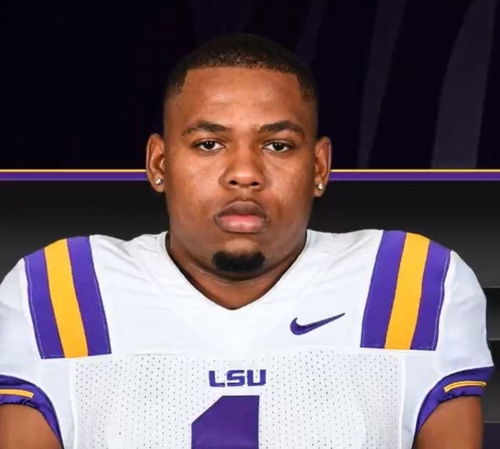
Dantrieze Scott can play both offense and defense. The former LSU Tiger is ready to help his new school the Grambling State Tigers. “I can tackle you, I can score on you. I’m just an athlete. I’m trying to get on the field right now,” Scott stated.
LSU took a second loss when another top recruit, Davin Cotton entered the transfer portal and left LSU to sign with the Southern University Jaguars. Southern is also an HBCU, and they’re the annual opponent for Grambling State in the game known as the “Bayou Classic”.
Jerry Rice (Mississippi Valley State), Walter Payton (Jackson State), and Shannon Sharpe (Savannah State) are all NFL Football Hall of Famers who attended HBCUs. There was a time when HBCU football programs were loaded with elite recruits. The past three decades the bright lights and the prestige of playing for a school in one of the powerhouse conferences have hampered the HBCUs efforts to land the big-name recruits. The transfer portal may be the biggest resource to HBCUs in their growing efforts to land the big-name recruits. The combination of the transfer portal and top recruits at the big schools wanting to play immediately as opposed to sitting and waiting can help bring HBCU football back to the glory days.Â