Mental health conversations have come a long way, but there is still important work to be done. Beyond raising awareness, advocates across the country continue to encourage honest dialogue, expand access to care, and remind people that healing looks different for everyone.
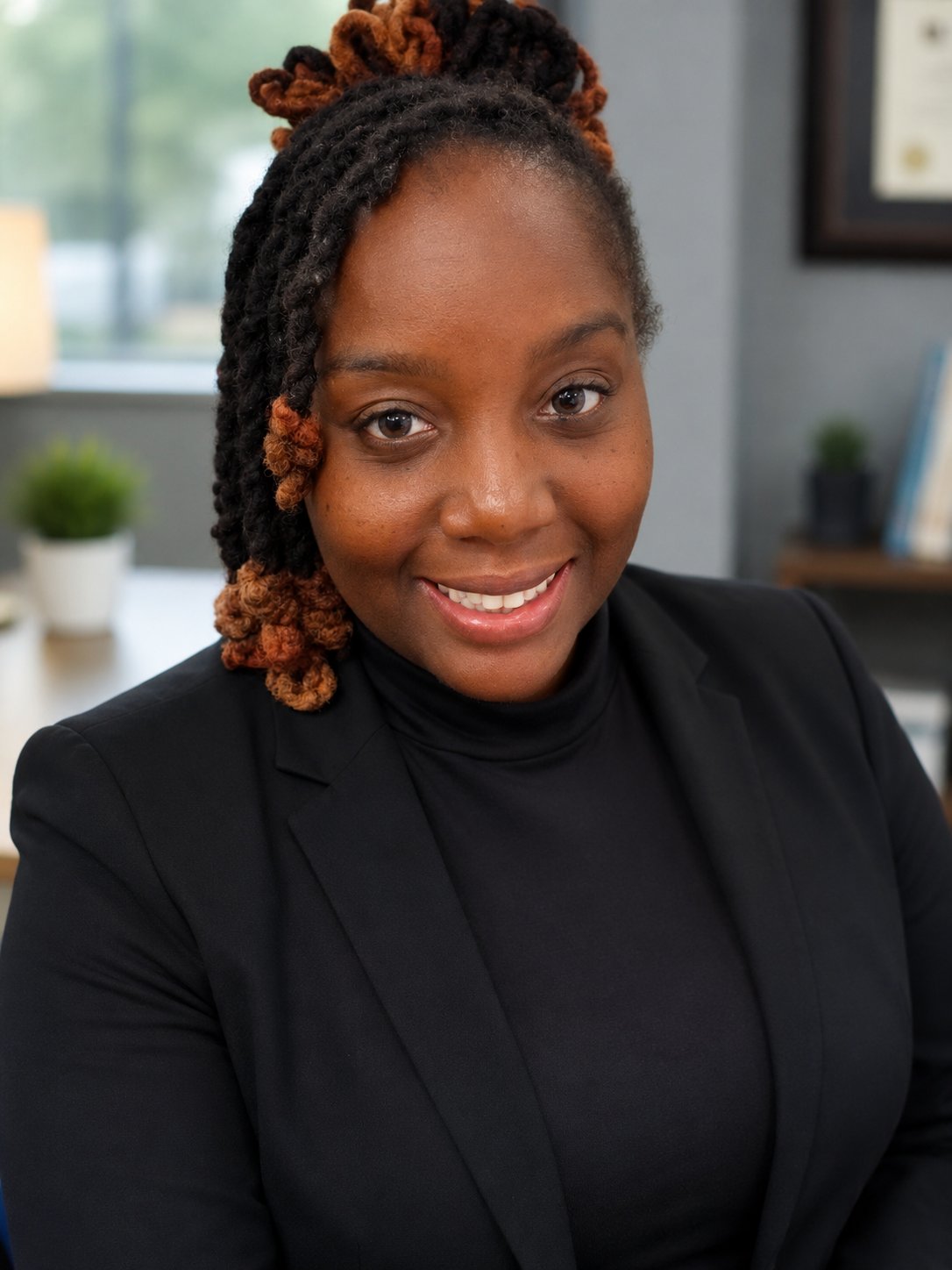
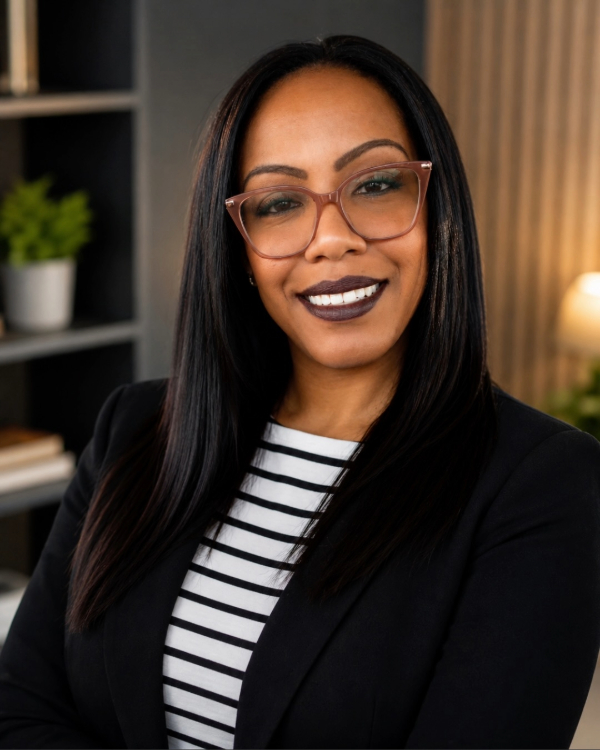
SwagHer Magazine is honored to introduce Dr. Carmela Maxell, PsyD, MA, MBA, LMHC, SUDP-T — a licensed mental health professional, university professor, author, podcast host, speaker, and advocate whose work explores the connection between mental health, grief, resilience, and the systems that shape our lives. Drawing from years of experience across behavioral health, higher education, corrections, residential treatment, and reentry services, Dr. Maxell has dedicated her career to helping people feel seen, heard, and supported.
In this exclusive conversation, Dr. Maxell shares her perspective on creating meaningful change in mental health, supporting communities through grief and trauma, practicing healthy boundaries, and why giving people permission to speak openly about what they’ve survived can be one of the most powerful steps toward healing.
Your work consistently encourages people to confront difficult truths with courage and compassion. What gives you hope for the future of mental health advocacy, and where do you see the greatest opportunities for meaningful progress?
Dr. Carmela: What gives me hope is that we’re finally beginning to ask better questions. For a long time, mental health conversations centered around, “What’s wrong with you?” Today, more people are asking, “What happened to you?” and even, “What happened around you?” That’s an important shift because it recognizes that mental health is influenced by our relationships, our communities, our policies, our workplaces, and the systems we live within.
I also see hope in younger generations. They’re challenging stigma in ways previous generations couldn’t. They’re talking openly about anxiety, trauma, grief, identity, and boundaries. While they don’t always have the language perfectly figured out, they’re refusing to accept silence as the norm, and I think that’s incredibly powerful.
The next step, though, is moving beyond awareness. We’ve become very good at posting hashtags and sharing infographics, but awareness without action doesn’t change lives. The greatest opportunity lies in making mental health accessible — not just financially, but culturally. That means expanding services into schools, workplaces, faith communities, and underserved neighborhoods while ensuring those services are culturally responsive. Mental health shouldn’t be treated as a luxury reserved for people who can afford it. It should be viewed as a fundamental part of public health.
Grief is something every person experiences differently, yet many people feel pressured to “move on” before they’re ready. How can we begin shifting the conversation around grief to create more understanding, compassion, and space for healing?
Dr. Carmela: One of the greatest misconceptions about grief is that it has an expiration date. We speak about grief as though it’s something to overcome, when in reality it’s something we learn to carry. Healing doesn’t mean forgetting. It means learning how to live while continuing to love someone who is no longer physically present.
As a society, we’ve become uncomfortable with pain. We want to fix it, explain it, or rush people through it because witnessing grief reminds us of our own vulnerability. But grief isn’t a problem to solve — it’s evidence that love existed.
I think we begin changing the conversation by giving people permission to grieve honestly. Stop asking, “Are you over it yet?” and start asking, “How are you carrying it today?” Those are two very different questions. When we create space for people to remember, cry, laugh, and even find joy again without guilt, we create space for healing.
Many people define resilience as simply surviving adversity. How would you define resilience, and what does thriving beyond survival truly look like in your eyes?
Dr. Carmela: Survival and resilience are not the same thing. Survival is what we do when we have no other choice. Resilience is what happens after survival, when we begin making intentional decisions about who we want to become despite what we’ve lived through.
I think we celebrate survival so much that we sometimes forget to ask whether people are actually living. Thriving means rediscovering joy. It means building healthy relationships, setting boundaries without guilt, laughing without apologizing, dreaming again, and believing that your life can be more than a collection of painful experiences.
To me, resilience isn’t pretending you weren’t hurt. It’s refusing to let pain become your permanent identity.
As a professor, licensed mental health professional, author, speaker, podcast host, and mother of three, you’ve embraced many roles throughout your journey. How do you intentionally prioritize your own mental wellness while continuing to pour into others?
Dr. Carmela: One of the most important lessons I’ve learned is that I can’t teach other people about healthy boundaries if I refuse to practice them myself. Self-care isn’t something I do because it’s trendy; it’s an ethical responsibility. If I’m emotionally exhausted, burned out, or disconnected from myself, I’m not showing up as my best for my clients, my students, my children, or my audience.
For me, mental wellness looks less like escaping life and more like creating moments of intentional presence. Sometimes that’s exercising, writing, spending time with my children, reading, or simply putting my phone away and allowing myself to be fully present. Other times, it’s saying “no” without feeling guilty or recognizing when I need to slow down instead of pushing through.
I’m still learning. I don’t believe anyone ever completely masters balance. I think it’s something we continually adjust as our lives evolve. Giving myself permission to be human has probably been one of the healthiest decisions I’ve ever made.
Your career has spanned clinical mental health, higher education, corrections, residential treatment, reentry services, authorship, and media. Looking back, what experiences have most profoundly shaped your understanding of healing, and how have they influenced the work you’re doing today?
Dr. Carmela: Working across so many different settings has taught me one profound truth: suffering doesn’t discriminate. I’ve sat with executives experiencing burnout, incarcerated individuals confronting unimaginable trauma, students questioning their identities, parents grieving children, and people simply trying to make it through another day. While their circumstances were different, their humanity was remarkably similar.
Those experiences taught me that healing rarely happens because someone gives the perfect advice. Healing happens when people feel genuinely seen, respected, and understood.
It’s also reinforced my belief that mental health cannot be separated from larger systems. Housing, education, employment, racism, poverty, access to healthcare, and community all shape psychological well-being. That’s why my work today extends beyond the therapy office. Whether I’m writing a novel, teaching a class, hosting a podcast, or speaking publicly, I’m trying to help people understand that mental health touches every part of our lives.
Mental health advocacy often focuses on awareness, but awareness alone isn’t enough. What meaningful changes do you believe need to happen within our communities, institutions, and policies to truly support long-term mental wellness?
Dr. Carmela: We’ve spent years telling people to ask for help, but we haven’t done enough to ensure help is actually available when they ask.
Long-term change requires investing in prevention just as much as intervention. That means expanding school-based mental health services, increasing access in rural and underserved communities, improving insurance coverage, supporting caregivers, and integrating mental health into primary healthcare rather than treating it as an afterthought.
We also need workplaces and educational institutions that don’t simply encourage wellness while rewarding burnout. If an organization says it values mental health but punishes people for taking time off, seeking accommodations, or setting boundaries, then the culture hasn’t actually changed.
Ultimately, mental health isn’t just an individual responsibility. It’s a collective one. Communities that prioritize connection, belonging, safety, and dignity create healthier people long before therapy becomes necessary.
Women — particularly Black women and women in leadership — are often expected to carry enormous emotional, professional, and family responsibilities. What would you say to those who feel they must constantly be “strong” for everyone else?
Dr. Carmela: I would tell them that strength has been misunderstood for far too long.
Strength is not carrying every burden alone. Strength is not smiling while you’re falling apart. Strength is not sacrificing your own well-being to make everyone else comfortable.
For many Black women especially, strength has often been treated as an expectation instead of a choice. We are praised for enduring what no one should have to endure, and somewhere along the way, many of us began believing that asking for help was a sign of weakness. It isn’t. It’s a sign of wisdom.
You are allowed to rest. You are allowed to say no. You are allowed to grieve, to cry, to change your mind, to set boundaries, and to choose yourself without apologizing.
The truth is, the people who love you don’t need you to be invincible. They need you to be healthy enough to keep showing up — not as a superhero, but as a whole human being. And I think that’s a much more sustainable definition of strength.
Get connected online: http://carmelamaxell.com
Read more SwagHer Spotlights here
Read more lifestyle, entertainment, fashion, and beauty interviews by Tammy Reese| @tammyreesemedia.