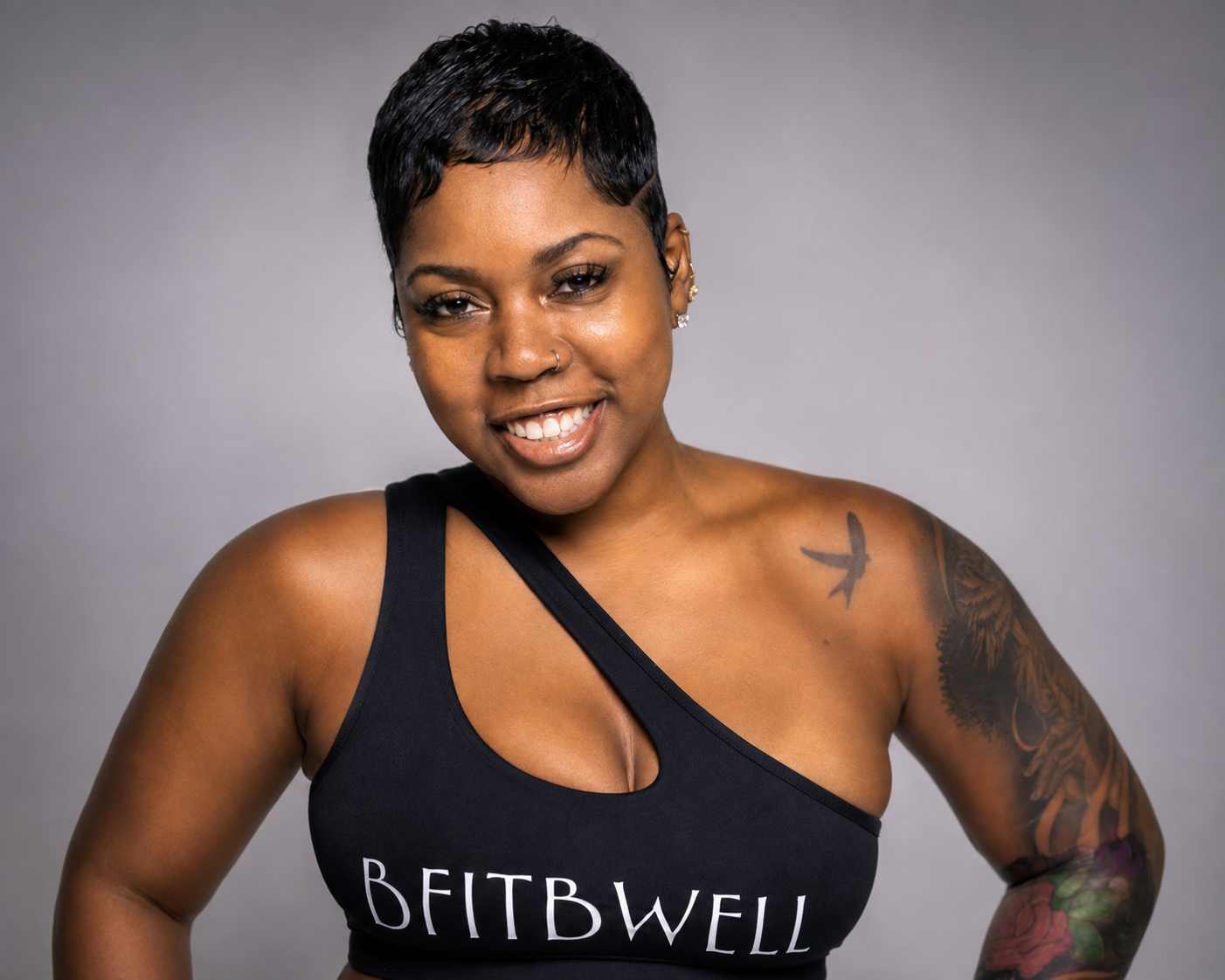
For Dr. Iris Wright, legacy is not a buzzword. It is a responsibility. Across healthcare, publishing, advocacy, and entrepreneurship, she has built platforms that extend far beyond profit margins and personal accolades. From Wright Circle of Care to the Injustice Movement, her work reflects a woman committed to ownership, service, and generational impact.
With a portfolio that spans compassionate elder care, bestselling books, global speaking engagements, and systemic advocacy, Dr. Wright stands at the intersection of resilience and strategy. Her journey has not been linear, nor has it been easy. But it has been intentional.
SwagHer sat down with Dr. Iris Wright to discuss risk, faith, injustice, entrepreneurship, and what it truly means to build work that outlives you.
Fancy: Your entrepreneurial journey spans healthcare, publishing, media, logistics, and advocacy. Looking back, what moment or season most clearly confirmed that you were called to build legacy work rather than simply hold a job?
Dr. Iris Wright: The moment that most clearly confirmed I was called to build legacy work came in 2019, during a season of deep reflection and risk. After years of working hard, leading teams, and serving others in healthcare, I realized I was no longer fulfilled by simply maintaining systems that I didn’t own or control. I knew I was capable of more than holding a position. I was meant to build something that would outlive a job title.
Reading Jump by Steve Harvey became a turning point. It challenged me to stop playing it safe and trust the vision God had placed inside me. That season required faith over comfort, and I made the decision to leave traditional employment and start my first business. That leap confirmed that I was not called to security alone, but to ownership, impact, and responsibility.
That calling was further solidified during a later season of personal injustice, when I faced the possibility of a twenty year sentence for a crime I did not commit. In that moment, I understood how fragile systems can be and how necessary it is to build platforms that protect, advocate, and serve others. Surviving that experience clarified that my work could never be limited to a paycheck. It had to have purpose.
Together, those seasons revealed my assignment clearly: to build legacy work rooted in service, justice, and empowerment.
Fancy: You made a pivotal leap into full entrepreneurship after being inspired by Jump. What fears did you have to confront in that transition, and what sustained you when the risk felt real?
Dr. Iris Wright: That transition required me to confront very real fears. The biggest was financial uncertainty. Walking away from a steady paycheck meant trusting that provision would follow obedience, even when there were no guarantees. I also had to face the fear of failure and the weight of responsibility, knowing that my decisions didn’t just affect me, but my family as well.
What sustained me when the risk felt real was faith, clarity, and conviction. I reminded myself daily that staying comfortable would cost me more than taking the risk. I leaned on prayer, discipline, and the belief that I was building something bigger than immediate results.
Courage isn’t the absence of fear. It’s the decision to move forward anyway.

Fancy: Wright Circle of Care reflects a deep commitment to compassionate elder care. How has your personal life and faith shaped the way you lead in healthcare spaces that are often under resourced and overlooked?
Dr. Iris Wright: My personal life and faith are the foundation of how I lead in healthcare. I don’t see elder care as an industry alone. I see it as a responsibility. Being a wife, mother, grandmother, and caregiver has shaped my understanding of how deeply personal care truly is.
My faith teaches me that service is not optional. It’s an assignment. It reminds me that people are not problems to manage but lives to honor. In healthcare spaces where people are often treated as numbers, I choose to see them as individuals with stories, families, and dignity.
Even when resources are limited, compassion, integrity, and accountability are not.
Fancy: Your work through the Injustice Movement addresses systemic inequities and family separation. What first compelled you to step into this advocacy, and how do you balance carrying such heavy stories while protecting your own well being?
Dr. Iris Wright: My own lived experience compelled me to step into this advocacy. Facing the possibility of a long prison sentence for a crime I did not commit changed me at my core. Injustice stopped being a concept and became personal.
Once I survived that season, I knew I couldn’t turn away from others facing the same reality. Advocacy became an assignment.
Balancing this work requires intentionality. I lead with empathy, but I don’t carry every story alone. I lean heavily on faith, prayer, and boundaries. Sustainable advocacy requires care for the advocate as well.
When I lead from a place of wholeness, I can show up consistently and clearly.
Fancy: As an author, your books range from children’s empowerment to deeply personal explorations of injustice. How do you decide which stories need to be told publicly and which ones you hold close?
Dr. Iris Wright: I decide through discernment and purpose. I ask myself whether sharing will bring healing, clarity, or hope to someone else. If I can tell the story with integrity and from a healed place, then it is meant to be released.
I share from reflection, not raw wounds. That distinction matters.
Some stories remain sacred because they are still being processed or involve others whose privacy deserves protection. Storytelling is stewardship.

Fancy: You are a matriarch of a blended family, a grandmother, and a serial entrepreneur. What does leadership look like inside your home, and how has motherhood influenced the way you show up as a visionary?
Dr. Iris Wright: Leadership in my home looks like presence and example. As the matriarch of a blended family, I understand that leadership isn’t about control. It’s about creating stability and trust.
Motherhood sharpened my decision making and strengthened my sense of purpose. I build with generations in mind. Every risk I take and every business I create is influenced by the legacy I want my children and grandchildren to inherit.
True leadership is measured not by titles, but by the lives you shape.
Fancy: How do you describe your SwagHer? What makes Dr. Wright, Dr. Wright?
Dr. Iris Wright: My SwagHer is confident, backed by lived experience. It’s grace with backbone, compassion with boundaries, and faith that doesn’t flinch when things get uncomfortable.
What makes Dr. Wright, Dr. Wright, is that I lead from truth, not image. I don’t chase validation. I create value.
I build my own tables, speak when silence is expected, and lead with both heart and strategy. I am soft where it matters and firm where it counts.
At the core, my SwagHer is authenticity.
Ways to Connect
Website: iris-wright.com
Facebook: Author Iris Wright
Instagram: @author_iris_wright