Every Father’s Day, social media fills with family photos, heartfelt tributes, cookouts, and celebrations honoring the fathers and father figures who have shaped our lives.
We celebrate the men who showed up. The men who worked long hours. The men who taught us life lessons, protected us when they could, sacrificed when they had to, and carried responsibilities that often went unnoticed.
And they deserve every bit of that recognition.
But while we celebrate fathers for everything they do for others, how often do we stop to ask how they’re doing themselves?
Behind many fathers is a man carrying expectations, responsibilities, disappointments, fears, and pressures that rarely get discussed openly. He may be managing financial stress, relationship challenges, grief, anxiety, depression, career uncertainty, or the weight of trying to be everything to everyone.
Yet many men have been conditioned to carry those burdens quietly.
For generations, boys have been taught phrases like “man up,” “be strong,” “don’t cry,” and “handle it yourself.” While often well-intentioned, those messages can create adults who struggle to express emotions, seek support, or admit when they’re overwhelmed.
The result is a reality many families know all too well: men who are physically present but emotionally exhausted.
The Weight Many Men Carry in Silence
The truth is that strength and struggle can exist in the same person.
A father can be dependable and still feel overwhelmed. A husband can be supportive and still battle anxiety. A provider can be successful and still experience depression. A leader can inspire others while quietly questioning himself.
The problem isn’t that men face challenges. The problem is that many feel they must face those challenges alone. Too often, society rewards men for endurance instead of encouraging them toward healing. We praise them for carrying the load but rarely ask if the load has become too heavy.
And while conversations around mental health have become more common, many men still face stigma when it comes to seeking help. Some fear being perceived as weak. Others fear being judged. Many simply don’t know where to begin.
What they need is what we all need: safe spaces, trusted relationships, and the reassurance that their value is not tied solely to what they provide.
How Black Women Can Support the Men We Love
As Black women, many of us have witnessed firsthand the pressures the men in our lives carry.
We see the expectations placed on fathers, sons, brothers, husbands, partners, and friends.
Supporting men’s mental health doesn’t mean becoming someone’s therapist, carrying emotional burdens that aren’t yours, or neglecting your own healing. It simply means helping create spaces where honesty feels safe.
One of the most powerful things we can do is listen.
Not every conversation requires a solution. Many men spend their lives feeling responsible for fixing everything around them. Sometimes what they need most is a safe place to be honest without immediately being judged, criticized, or expected to have all the answers.
We can also be intentional about celebrating men for more than what they provide.
Many men receive praise for their ability to work, earn, protect, or produce. Far fewer are recognized for their character, emotional growth, integrity, kindness, or willingness to heal.
Tell the fathers, sons, brothers, and partners in your life that you appreciate who they are, not just what they do.
Encourage healthy support systems. Whether through trusted friendships, mentors, faith communities, support groups, or professional counseling, men need spaces where they can process life with people they trust.
No one was meant to carry everything alone.
The Boys Are Watching
Father’s Day is also an opportunity to think about the next generation.
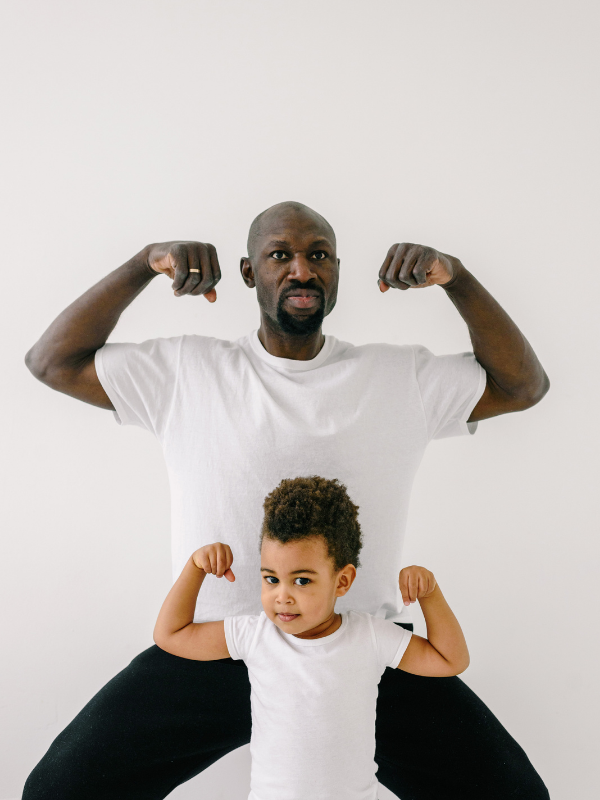
The young boys in our homes, schools, churches, and communities are constantly learning what it means to be a man.
Some are fortunate to have engaged fathers, stepfathers, grandfathers, uncles, coaches, and mentors who model healthy masculinity.
Others are growing up without consistent father figures and are left to piece together their understanding of manhood from social media, peer groups, and popular culture.
While fatherhood matters deeply, a missing father does not have to become a child’s destiny.
Boys need examples of healthy adults. They need people who demonstrate accountability, compassion, emotional intelligence, resilience, and respect.
They need to see men apologize when they’re wrong. They need to see men communicate effectively. They need to learn that vulnerability is not weakness.
Most importantly, they need permission to feel.
If we want emotionally healthy men tomorrow, we must first raise emotionally healthy boys today.
That means teaching boys that strength is not the absence of emotion.
It’s learning how to process emotions in healthy ways.
The young boys we nurture today become the fathers, husbands, leaders, mentors, and community builders of tomorrow.
 Holding Space for Complicated Father’s Days
For many people, Father’s Day is a joyful celebration. For others, it is complicated.
Some are grieving fathers they have lost. Some are mourning relationships they never had. Some fathers are separated from their children. Some women are raising children after the loss of a partner or co-parent.
Others are still healing from abandonment, disappointment, neglect, or father wounds that haven’t fully healed.
All of those experiences deserve compassion.
Father’s Day can be both a celebration and a reminder of what was lost.
It can bring gratitude and grief. Joy and sadness. Healing and reflection.
And that’s okay.
Holding space for those realities allows us to have more honest conversations about fatherhood, family, grief, and mental health while extending grace to people whose experiences may differ from our own.
Resources for Men’s Mental Health
If you or someone you love is struggling, support is available.
Organizations supporting Black men’s mental health include:
• Therapy for Black Men
• Black Men Heal
• The Boris Lawrence Henson Foundation
Additional resources may include:
• Licensed therapists and counselors
• Faith-based counseling programs
• Community mentorship initiatives
• School counseling services
• Employee Assistance Programs (EAPs)
• Local support groups and wellness organizations
Seeking support isn’t weakness. It’s wisdom. It’s courage.
And it’s often the first step toward healing.
A Father’s Day Challenge
This Father’s Day, celebrate the fathers and father figures who have made a difference in your life.
Call them. Thank them. Honor them. Tell them they’re appreciated.
But don’t stop there.
Ask them how they’re really doing. Check on the man who always seems strong. Encourage the young boy who is still finding his way. Remind the men in your life that their value is not limited to what they provide, produce, or accomplish. Because sometimes the strongest thing a man can do is admit he doesn’t have to carry everything alone.
And sometimes the most meaningful gift we can offer isn’t another tie, grill set, or Father’s Day card.
Sometimes it’s simply creating a space where someone feels safe enough to tell the truth.
This Father’s Day, let’s celebrate the fathers.
Let’s support the men.
Let’s nurture the boys.
And let’s make room for healing, too.