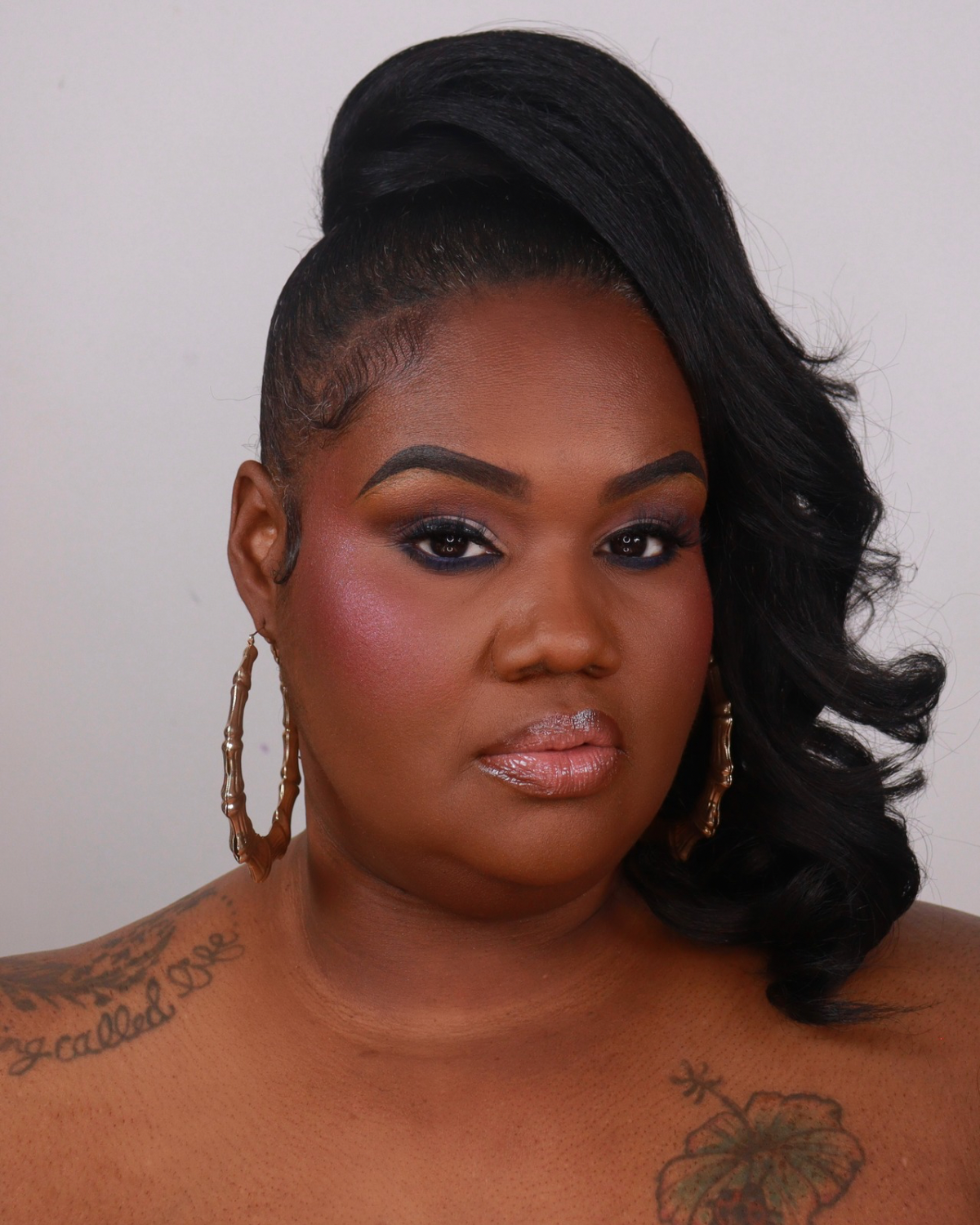
“Why am I here at 8 am? I have a class soon,†that was the thought that crosses my mind as the middle-aged bald man read me this doctor’s report. So far, everything has read “negative.†In this instance, “negative†was a good thing. Yesterday on the phone, he said he had something to report. Again I sat and thought to myself, “they do things really differently at the health department. My doctor back in Atlanta never called for negative resultsâ€. My thoughts were interrupted by three words “Your HIV results are positive.â€Â
Everything paused; it seemed like the world just stopped. He must have the wrong girl. I did my due diligence to get tested and wear protection. Well, most times. When the doctor read the results to me, I was 19 at the time. I was in disbelief. How could it happen to me? I was a high achieving student, a community advocate for youth, and college to be a construction manager at the time. Things like this didn’t happen to me, but it did.
According to the CDC, 1 in 9 women living with HIV don’t know their status. I was apart of that number until I got tested. At that point, I had been HIV positive for about three months. I only went to the health department for birth control and hoping to clear up another issue unrelated to STDs. Instead, I found out about my status. I immediately fell into a depression that was hard to climb out of. I already had an idea of what an HIV positive woman went through, and now I was the same type of person I never thought I would be like. I was the first to stigmatize myself.Â
Over the years, I learned how to accept and love myself. I also learned a lot and began to help other women see the light outside of their diagnosis. Due to a lack of education around HIV, fear, and stigma, being diagnosed with HIV can be very isolating. Many still fear even taking a test. I have learned that not knowing facts will only ignite these problems and keep you from seeking the truth.
In March, when COVID-19 hit the world, the fear and stigma associated reminded me so much of HIV. Why? People judged people who choose not to wear masks and blamed them for the spread of Covid. People were afraid to hug, speak, or have visitors because they thought they would automatically get it. This was the same way people treat those living with HIV? The big difference is that Covid is new, and there is information, but it’s fairly new.Â
Knowledge about HIV has been easy to find since the 90s and has changed tremendously. I want to discuss five truths about HIV that a person that is not living with HIV may or may not know but definitely should know.
Fact Number One: HIV doesn’t have a face.
Many living with HIV live very normal lives and are not walking around with a certain look. It doesn’t discriminate based on age, religion, marital status, or sexual orientation. This is why you must get tested every three to six months to stay abreast of your status.
Fact Number Two: You can have an HIV-negative baby and spouse.
With advances in treatment, you sure can have a baby and not transmit HIV to the baby or your partner. Women and men living with HIV don’t have to stop their lives due to their diagnosis. Now research shows that undetectable viral loads make HIV untransmittable to others.Â
Fact number three: HIV is preventable.
There are several ways to protect yourself from HIV, such as using condoms. If you are currently HIV negative, taking pre-exposure prophylaxis prevents you from being diagnosed. Also, regularly test, so you know if you need to start treatment.Â
Fact Number Three: You can take a test at home.
Yes, you heard me, you can go to CVS and take a test at home in privacy. I know that going to the doctor can make you nervous or concerned. At home test takes care of that; you can take it right at your kitchen table.
Fact Number Four: HIV only transmits through 4 bodily fluids.
HIV transmits through breast milk, vaginal secretions, blood, and semen. Coming in contact does not necessarily mean you will be diagnosed with HIV. It does not transmit through sweat, tears, or urine.
Fact number 5: HIV is not dormant
Some think you can have HIV and test and it’s negative. There are varying generations of tests that can detect HIV within 15 days; most tests can detect HIV within 3- 6 months. HIV is asymptomatic for about ten years, meaning you may not have symptoms. That is why testing is imperative. I strongly advise testing at least 2x a year, especially if you are sexually active or an IV drug user. The CDC recommends that everyone aged 13-64 gets tested.
These are five facts to start your journey to being informed about HIV. When I was 18, I never thought it could happen to me, and it did. Most people living with HIV don’t plan on getting HIV, but at some point, they discovered their diagnosis and made a choice. If you live with HIV or are diagnosed with HIV, you have a choice to make around your next steps. I chose to take care of myself, and it was the best decision of my life. If you are HIV negative, you, too, have a choice to protect yourself and continue to get tested. I chose never to deny an opportunity to take a test, and early testing saved my life.
No matter what situation you find yourself in, there is support and help for you, not tainted or forgotten. Someone who doesn’t know you loves you and hopes you can take this information to inform the next person to end the epidemic.
-Nakeisa Jackson
 Nakeisa Jackson is an author, speaker, and ministry leader of Flow Connection Ministries. She also coaches women on how to develop their relationship with God and how to overcome trauma associated with living with HIV through coaching, blogs, her podcast, YouTube Channel, and events. She is the director of Aniyahs Space, a nonprofit to provide holistic care services to women living with HIV. Nakeisa is the author of one published work entitled Life After HIV: Removing the Mask. Currently, she is living in Atlanta, GA, with her husband and children. @nikkijtheauthor