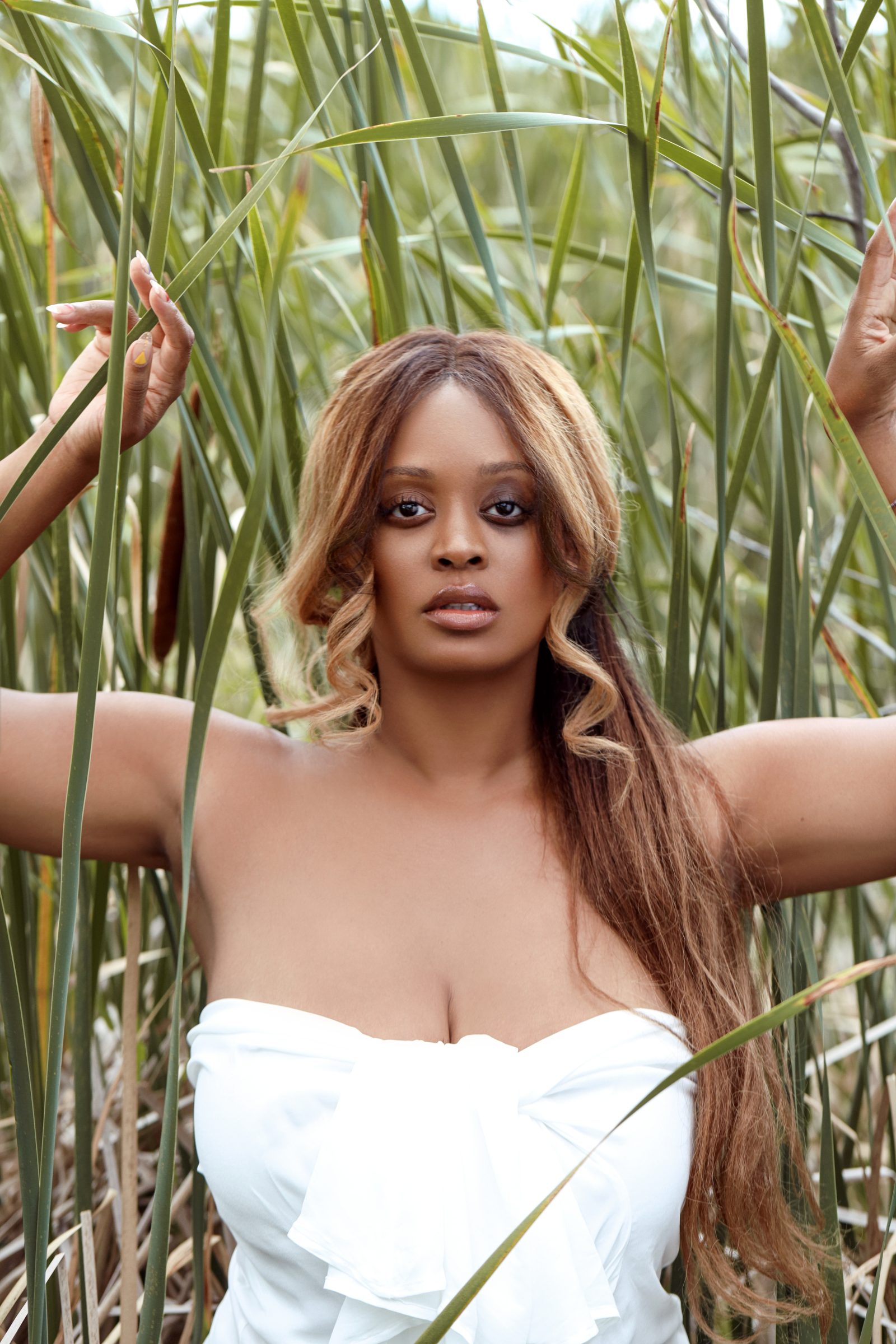
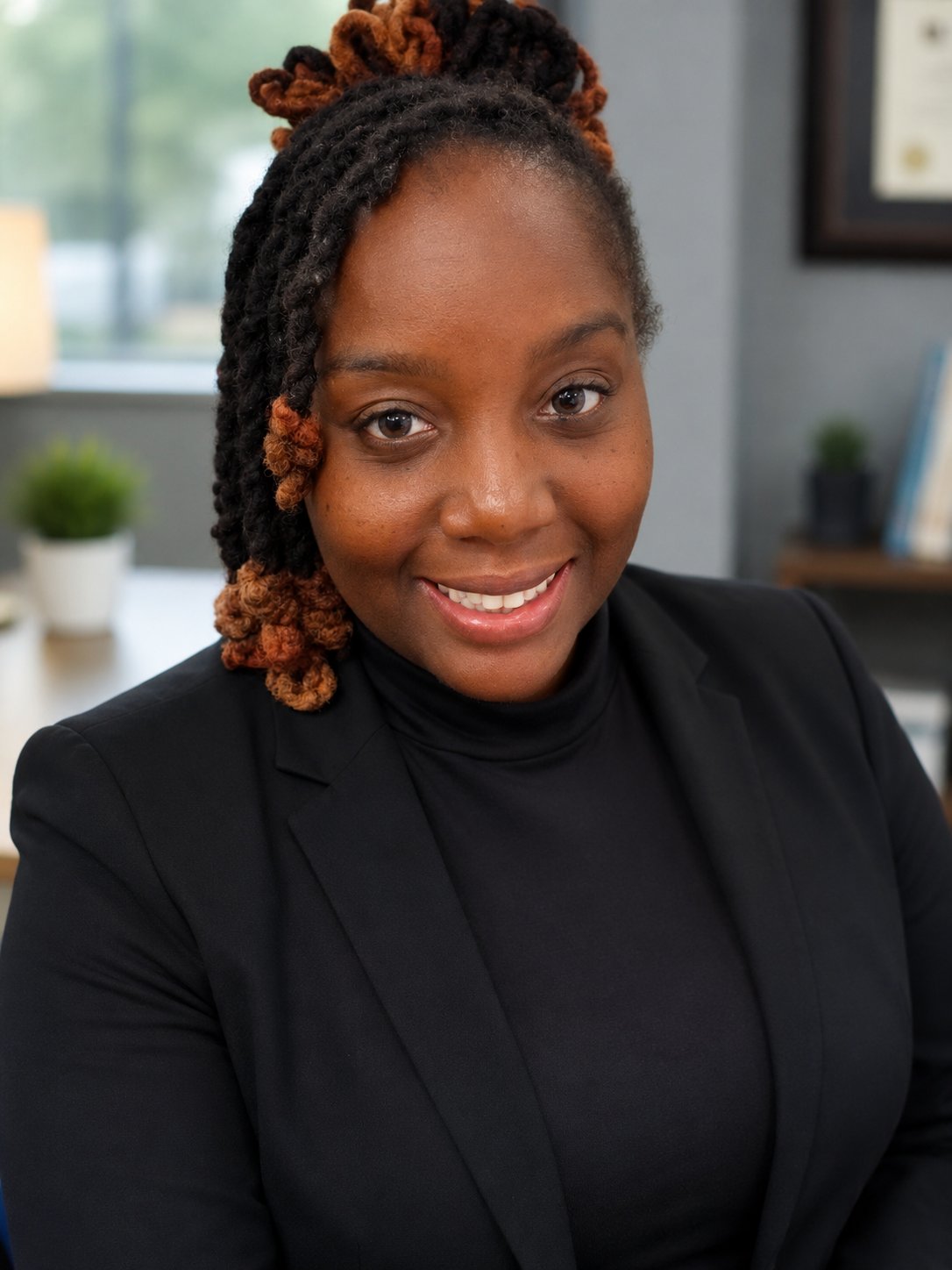
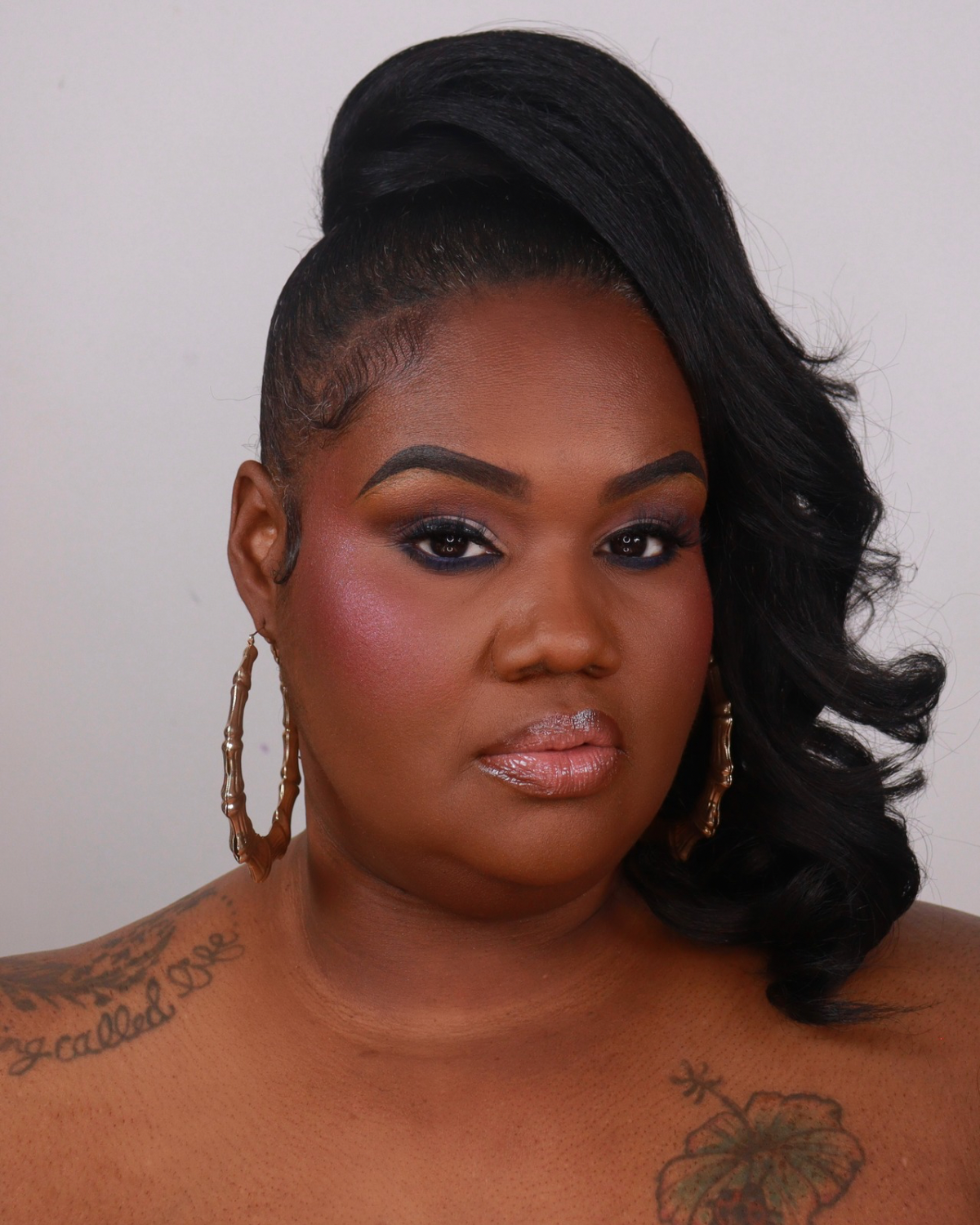
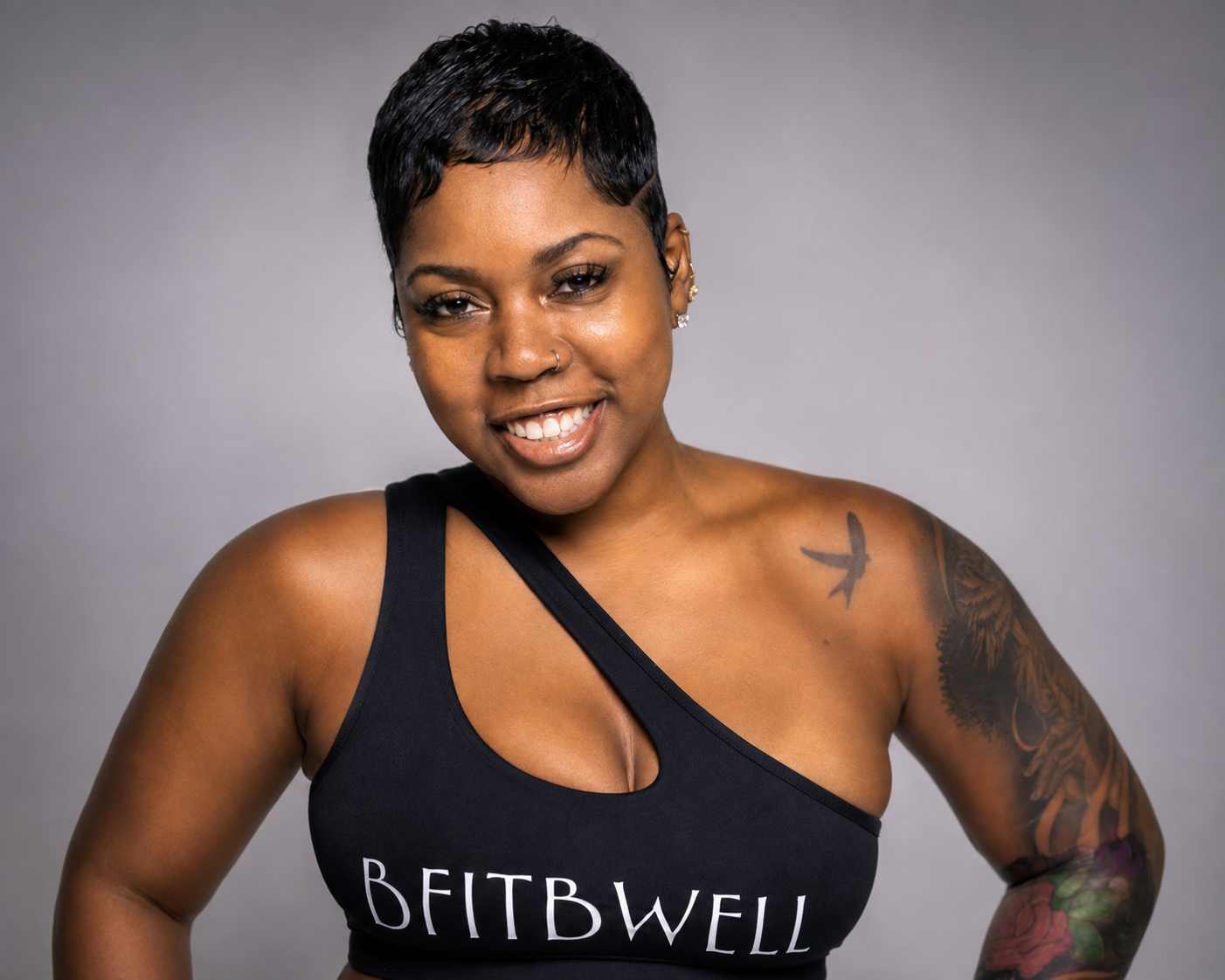
Generational healing is a transformative journey, and for Mankah Lewis, it became her life’s purpose. As the founder of Black Mothers & Daughters Heal, she turned her own struggles into a mission to help other women break cycles of pain, resentment, and emotional disconnect within their families. For years, Mankah wrestled with a strained relationship with her mother, carrying emotions she couldn’t fully process. It wasn’t until she became a mother herself that she realized the urgency of healing. Determined not to pass down the same patterns to her daughter, she embarked on a path of self-discovery, forgiveness, and growth.
Now, seven years later, Mankah stands in her truth—fully healed and committed to guiding other women through their own journeys of generational healing. Through her mentorship program, she empowers Black women to reclaim their peace, rebuild their mother-daughter relationships, and, ultimately, transform their lives. In this interview, Mankah shares her insights on breaking generational cycles, the power of self-affirmation, and how healing within Black families contributes to the broader legacy of strength and progress.
Fancy: What was the turning point in your life that made you realize you needed to heal your relationship with your mother?
Mankah: Becoming a mother myself really challenged me to face the negative emotions I felt toward my mother. Seeing my daughter as a reflection of me caused me to start asking questions and digging deeper. I didn’t want her to grow up hating me the same way I hated my mom, so I knew I had to address my issues with my mother or risk repeating the same cycle.
Fancy: Black History Month is a time to reflect on our shared experiences and resilience. How do you think generational healing within Black families contributes to the broader legacy of Black strength and progress?
Mankah: Black women’s generational healing strengthens Black families because we are the center of the family unit. Frankly put, our well-being determines the state of the family. While it is easy to point fingers at oppressive systems and our male counterparts’ shortcomings, it is doing the hard work of turning inwards to heal that produces lasting results.

Fancy: Many women struggle with unresolved emotions when it comes to their mothers. What are some of the first steps you recommend for those who want to begin their healing journey?
Mankah: The first step to reconnecting with your mom is understanding that it is not your fault because it didn’t start with you. In my mentorship program, I help women uncover generational patterns in their maternal and paternal lineages. Once they realize that this pattern has been going on long before they existed, they breathe a sigh of relief. The second step is making a decision to be the one who breaks the pattern. The third step is to get help from someone who has experience. Getting help will speed up the healing process because this person can show you what to do and what not to do because they’ve been through the process already.
Fancy: As a mother yourself, what intentional practices have you put in place to ensure you don’t repeat the same cycles with your daughter?
Mankah: My practices are twofold; first they begin with me and then extend to my daughter.
Every morning, I journal my thoughts and feelings, and then I affirm that I am kind, loving, wonderful, amazing, incredible, and worthy. Before bed, I journal my thoughts and feelings, and I affirm my personal truths again.
For my daughter, I listen to her and validate her feelings. I also teach her to affirm her personal truths daily. This has built up her confidence, which keeps me in check.
Fancy: What has been the most rewarding part of your work with Black Mothers & Daughters Heal, and what impact do you hope to leave on the women you help?
Manka: The most rewarding part of my work is seeing women let go of judging their mothers. I hope to inspire the women I help to see adversity as an opportunity to change. If everything were sweet and dandy, there would be no need to evolve. It is through pain and suffering, or trials and tribulations, that we face our deepest fears and transform into greatness.
Fancy: How would you describe your swagher? What makes Mankah, Mankah?
Mankah: My swagher is bold. I’m not afraid of anyone. I see the President of the United States the same way I see a cashier at the register. We’re all here having the human experience. I don’t put anyone on a pedestal.
Fancy: Do you have any upcoming events or projects that you would care to share?
Mankah: My main project is my mentorship program, where I show women how to reconnect with their mothers.
Fancy: Where can readers connect with you?
Mankah: Readers can write to me at hello@mankahlewis.com or dm me on Instagram @healwithmankah.