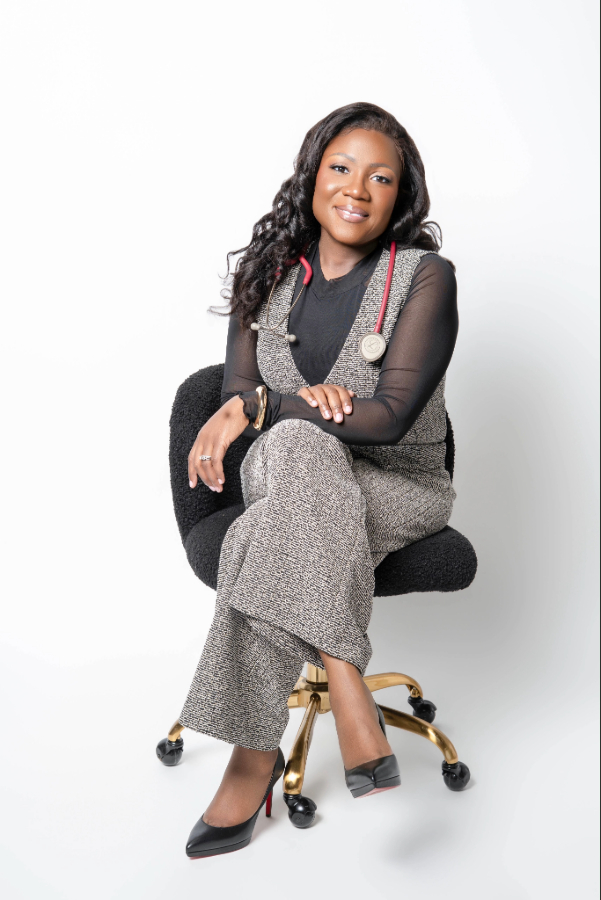
For many women, success comes with a hidden cost. Behind thriving careers, growing businesses, packed schedules, and countless responsibilities, many are silently navigating anxiety, burnout, executive ADHD, and high-functioning depression. Melissa Pauline, NP, is on a mission to change that conversation.
A triple board-certified nurse practitioner and the visionary founder of Nouveaux U Wellness and Nouveaux U Behavioral Health, Melissa has dedicated her career to helping women achieve something often overlooked in today’s fast-paced world: true wellness. With more than two decades of experience spanning acute care, primary care, wellness medicine, and behavioral health, she has developed an innovative approach that recognizes the powerful connection between mental health, hormones, lifestyle, and overall well-being.
Known for her compassionate, whole-person philosophy, Melissa works with high-achieving women who often appear to have it all together while quietly carrying the weight of overwhelming stress, emotional exhaustion, and relentless pressure. Through evidence-based psychiatric care, lifestyle optimization, and personalized treatment plans, she helps her clients move beyond simply managing symptoms and toward lasting transformation.
As a wife, mother, entrepreneur, and healthcare leader, Melissa understands firsthand the challenges many women face while balancing career ambitions, family responsibilities, and self-care. Today, she is using her expertise and growing platform to challenge outdated narratives around mental health and encourage women to embrace a new definition of success — one that includes peace, fulfillment, balance, and wellness.
In this exclusive interview with SwagHer Magazine, Melissa Pauline shares insights on executive ADHD, burnout, integrative psychiatry, and why women should never have to choose between ambition and their well-being.

You’ve built Nouveaux U Wellness and Nouveaux U Behavioral Health around integrative psychiatry — what inspired you to create a model that blends traditional mental health care with holistic wellness?
Melissa: What inspired me to create Nouveaux U Wellness and Nouveaux U Behavioral Health was recognizing a gap in how healthcare often treats people in pieces rather than as whole individuals.
As a nurse practitioner with nearly two decades of experience in critical care and primary care, I saw firsthand how mental health, physical health, hormones, nutrition, sleep, stress, and lifestyle are deeply interconnected. Patients would come in struggling with anxiety, depression, burnout, brain fog, weight gain, poor sleep, or low motivation, and many had been told to address each issue separately. Yet their symptoms were often connected.
When I launched Nouveaux U Wellness, my goal was to help patients optimize their overall well-being through services such as hormone optimization, medical weight loss, IV nutrient therapy, and preventative wellness care. Over time, I realized that many of the women I was helping physically were also silently struggling emotionally, with ADHD, anxiety, depression, trauma, caregiver burnout, and overwhelming life demands.
That realization led to the creation of Nouveaux U Behavioral Health.
The vision was never to choose between traditional psychiatry and holistic wellness, it was to bring them together. I wanted to create a practice where evidence-based psychiatric care, medication management, lifestyle medicine, nutrition, sleep optimization, stress management, and whole-person wellness could coexist under one philosophy of care.
At Nouveaux U, we recognize that a patient’s symptoms may be influenced by neurotransmitters, hormones, chronic stress, sleep deprivation, nutritional deficiencies, life transitions, or unresolved trauma. By addressing these factors together, we can create more sustainable and meaningful outcomes.
Ultimately, the mission is simple: to help people become the healthiest version of themselves, mentally, physically, and emotionally. We believe transformation happens when patients feel seen, heard, and supported as whole people, not just as diagnoses.
You specialize in executive ADHD, burnout, anxiety, and high-functioning depression. What are some of the most misunderstood signs of these conditions in high-achieving women?
Melissa: One of the biggest misconceptions is that if a woman is successful, productive, and outwardly functioning well, she must be doing fine emotionally. In reality, many high-achieving women become experts at compensating for symptoms that are significantly affecting their quality of life.
Executive ADHD is frequently missed because it doesn’t always look like hyperactivity. Instead, it often presents as chronic overwhelm, difficulty prioritizing tasks, procrastination despite high intelligence, perfectionism, constant mental clutter, and feeling exhausted from the effort it takes to stay organized. Many women have spent years developing elaborate systems to compensate, so others see competence while they experience daily internal chaos.
Burnout is often mistaken for depression or simply being “too busy.” High-achieving women may continue performing at a high level while feeling emotionally detached, cynical, depleted, and unable to enjoy accomplishments. They frequently tell me, “I’m getting everything done, but I don’t feel like myself anymore.”
Anxiety can masquerade as success. Society often rewards the behaviors anxiety drives, overpreparing, overachieving, people-pleasing, perfectionism, and constantly staying productive. Many women don’t realize their success is being fueled by chronic nervous system activation until they begin experiencing insomnia, irritability, physical symptoms, or panic attacks.
High-functioning depression is perhaps one of the most misunderstood conditions. These women are often still going to work, raising families, leading organizations, and showing up for everyone else. Yet internally they may feel numb, disconnected, exhausted, unmotivated, or unable to experience joy. Because they continue meeting their responsibilities, their suffering is often overlooked by others and sometimes even by themselves.
Another commonly overlooked sign is that many high-achieving women don’t present with obvious sadness. Instead, they may report:
Increased irritability
Chronic fatigue
Difficulty concentrating
Loss of motivation
Feeling emotionally flat
Sleep disturbances
Brain fog
Increased self-criticism
Feeling like they’re constantly “behind”
Despite accomplishing a great deal, I’ve found in my practice is that these women often aren’t struggling because they’re weak, they’re struggling because they’ve been strong for too long without adequate support.
The message I want women to hear is that mental health challenges don’t always look like falling apart. Sometimes they look like holding everything together while silently carrying a level of stress, anxiety, or emotional exhaustion that no one else can see. Recognizing those signs early allows us to intervene before burnout, depression, or anxiety become more severe and begin affecting relationships, health, and overall well-being.

Many of your clients appear successful on the outside while silently struggling internally. What patterns or “hidden stress signals” do you notice most often in professional women?
Melissa: One of the most common patterns I see in professional women is that they become incredibly skilled at functioning while suffering. They continue leading teams, running businesses, raising families, and meeting deadlines, so no one realizes how much they’re carrying beneath the surface.
The first hidden stress signal is constant productivity without rest. Many women tell me they don’t know how to sit still without feeling guilty. Their calendars are packed, they’re always multitasking, and even their downtime becomes another item on the to-do list. From the outside, it looks like ambition. Internally, it’s often a sign that their nervous system never truly powers down.
Another pattern is chronic exhaustion that doesn’t improve with sleep. These women aren’t just tired, they’re depleted. They may sleep seven or eight hours and still wake up feeling drained because the issue isn’t simply lack of sleep; it’s the cumulative effect of prolonged stress, emotional labor, and mental overload.
I also see a lot of perfectionism disguised as high standards. Professional women frequently place immense pressure on themselves to excel in every role executive, entrepreneur, spouse, mother, caregiver, friend. They hold themselves to expectations they would never impose on someone else, creating a constant sense that they’re falling short despite accomplishing extraordinary things.
Another hidden signal is irritability and emotional reactivity. Many women assume anxiety always feels like nervousness, but often it presents as frustration, impatience, snapping at loved ones, or feeling overwhelmed by minor inconveniences. When someone who is typically calm finds herself increasingly short-tempered, I view that as an important indicator that her stress reserves are running low.
I also notice difficulty experiencing joy or satisfaction. Women will achieve a major goal, launch a business, receive a promotion, or reach a personal milestone, yet instead of celebrating, they immediately move on to the next responsibility. When accomplishments no longer feel rewarding, it can be an early sign of burnout or high-functioning depression.
Perhaps the most overlooked signal is feeling lonely despite being surrounded by people. Many high-achieving women are the ones everyone relies on, but they often have few places where they can be vulnerable themselves. They become so accustomed to being the helper, leader, or problem-solver that they stop asking for support.
What I remind my clients is that stress doesn’t always announce itself with a breakdown. More often, it whispers through fatigue, irritability, brain fog, perfectionism, emotional numbness, and a growing sense of disconnection from themselves. When we learn to recognize those subtle signals early, we can intervene before they evolve into significant anxiety, depression, burnout, or physical health problems.
The women I work with are often incredibly resilient. The goal isn’t to make them less ambitious, it’s to help them thrive without sacrificing their mental, emotional, and physical well-being in the process.
With over 20 years in nursing across acute care, primary care, and mental health, how has your clinical journey shaped the way you approach patient care today?
Melissa: My clinical journey has taught me that every patient is more than a diagnosis, a symptom, or a medication list. Over the past two decades, I’ve had the privilege of caring for patients across acute care, primary care, wellness medicine, and now behavioral health, and each chapter has reinforced the importance of treating the whole person.
Early in my career, working in emergency and correctional settings, I learned how social determinants, trauma, and access to care profoundly impact health outcomes. Later, as an ICU nurse practitioner and critical care leader, I cared for some of the sickest patients and witnessed firsthand how chronic stress, anxiety, depression, and lifestyle factors often contributed to physical illness. It became increasingly clear that mental and physical health cannot be separated.
My experience in primary care and wellness medicine further expanded that perspective. I saw patients struggling with fatigue, weight gain, hormonal imbalances, poor sleep, and chronic disease, many of whom were also experiencing untreated anxiety, depression, ADHD, or burnout. Often, addressing only the physical symptoms failed to produce lasting results because the underlying emotional and psychological factors remained unaddressed.
Today, my approach is rooted in integrative, patient-centered care.
I combine evidence-based psychiatric treatment with a broader understanding of how lifestyle, sleep, nutrition, hormones, stress management, and overall wellness influence mental health. I believe in listening deeply, understanding the context of a patient’s life, and creating individualized treatment plans rather than applying a one-size-fits-all approach.
My years in critical care also taught me the value of compassion, presence, and partnership. Some of the most meaningful moments in healthcare happen when patients feel truly heard. Whether I’m helping someone navigate ADHD, anxiety, depression, burnout, or a major life transition, I strive to create a space where they feel understood, supported, and empowered to participate in their own healing.
Ultimately, my diverse clinical background has reinforced one core belief: the best outcomes occur when we care for the whole person, mind, body, and spirit, not just the condition that brought them through the door. That philosophy is the foundation of both Nouveaux U Wellness and Nouveaux U Behavioral Health and continues to guide every patient interaction today.
You emphasize the connection between hormones, lifestyle, and emotional well-being. Why is it so important for women to understand how these factors work together?
Melissa: Women are often told to view their mental health, physical health, hormones, and lifestyle as separate issues, but in reality, they are deeply interconnected. Understanding that connection is one of the most empowering things a woman can do for her overall well-being.
Hormones influence far more than reproductive health. They affect mood, energy, sleep, concentration, motivation, metabolism, stress resilience, and emotional regulation. When hormones fluctuate during menstrual cycles, pregnancy, postpartum, perimenopause, or menopause, many women notice changes in anxiety, depression, irritability, focus, and overall mental clarity. Unfortunately, these symptoms are often dismissed as simply “stress” or “part of being a woman.”
Lifestyle factors play an equally important role. Sleep deprivation, poor nutrition, chronic stress, lack of movement, and burnout can disrupt hormonal balance and significantly impact mental health. Likewise, untreated anxiety, depression, ADHD, or chronic stress can affect sleep quality, eating habits, energy levels, and physical health. It’s a cycle that often feeds itself.
For example, a woman may come to me complaining of brain fog, fatigue, difficulty concentrating, irritability, and low motivation. While those symptoms could be related to anxiety or depression, they could also be influenced by sleep deprivation, chronic stress, nutritional deficiencies, ADHD, perimenopausal hormone changes, or a combination of several factors. Looking at only one piece of the puzzle may lead us to miss important contributors to how she’s feeling.
This is especially true for high-achieving women who are balancing careers, families, caregiving responsibilities, and personal goals. Many spend years pushing through symptoms, believing exhaustion, overwhelm, and emotional depletion are simply normal parts of adulthood. In reality, these can be signals that the body and mind need attention.
My philosophy is that optimal mental health requires a whole-person approach. Evidence-based psychiatric care is incredibly valuable, but we also need to consider sleep, nutrition, movement, stress management, hormonal health, relationships, purpose, and self-care. When these areas are addressed together, women often experience improvements not only in their mood and anxiety but also in their energy, focus, confidence, and overall quality of life.
The message I hope women take away is that they don’t have to choose between feeling mentally well and physically well. The two are connected. When we understand and support that connection, we create the opportunity for lasting wellness rather than simply managing symptoms.
How does your treatment approach — combining medication management, lab analysis, and lifestyle optimization — differ from traditional psychiatric care models?
Melissa: Traditional psychiatric care often focuses primarily on diagnosis, symptom management, and medication. While medication can be an incredibly important and effective tool, my approach begins with a broader question: Why is this person experiencing these symptoms in the first place?
At Nouveaux U Behavioral Health, I take an integrative approach that combines evidence-based psychiatric treatment with a deeper evaluation of the biological, lifestyle, and environmental factors that may be influencing a patient’s mental health.
For example, if a woman presents with anxiety, depression, brain fog, fatigue, difficulty concentrating, or mood instability, I don’t automatically assume the answer is simply increasing medication. I want to understand the complete picture. How is she sleeping? What are her stress levels? Are there hormonal changes occurring? Could nutritional deficiencies be contributing? Is she experiencing burnout? Are there underlying medical conditions that may be impacting her emotional well-being?
This is where lab analysis can become valuable. In appropriate cases, reviewing laboratory data may help identify contributing factors such as vitamin deficiencies, metabolic concerns, thyroid abnormalities, anemia, or other health issues that can affect mood, energy, cognition, and overall functioning. Mental health symptoms do not occur in isolation from the rest of the body.
I also place significant emphasis on lifestyle optimization. Sleep quality, nutrition, movement, stress management, social connection, and daily habits have a profound impact on brain health and emotional resilience. While medication may help regulate symptoms, lifestyle interventions often help create the foundation for long-term wellness and improved quality of life.
Another difference is that I spend considerable time helping patients understand the relationship between their symptoms and their lives.
Many of the professional women I work with are experiencing chronic stress, executive dysfunction, perfectionism, caregiver fatigue, hormonal transitions, or burnout. These factors may not always fit neatly into a diagnostic category, yet they significantly influence mental health outcomes.
My goal is not to replace traditional psychiatry it is to enhance it. Medication management remains an important component of care when clinically indicated, but I believe the best outcomes occur when we combine psychiatric expertise with a comprehensive understanding of the patient’s physical health, lifestyle, and personal circumstances.
Ultimately, I want patients to leave appointments feeling informed, empowered, and understood. Rather than simply asking, “What medication should we use?” I ask, “What factors are affecting your well-being, and how can we address them together?” That whole-person perspective is what distinguishes the care model at Nouveaux U Behavioral Health and reflects my commitment to helping patients achieve lasting mental, emotional, and physical wellness.
As a wife and mother, how has your personal experience influenced the way you support women who are trying to balance career, family, and their own mental health?
Melissa: As a wife, mother, healthcare leader, and entrepreneur, I understand firsthand how challenging it can be to balance the competing demands of career, family, and personal well-being. In many ways, my personal experiences have shaped not only who I am, but also how I care for my patients.
Like many women, I’ve navigated seasons where I was pouring into everyone else, my family, my career, my community, while placing my own needs at the bottom of the priority list. I’ve experienced the pressure of wanting to excel professionally while also being fully present for my husband and children. I know what it feels like to carry responsibility, manage multiple roles, and still wonder if you’re doing enough.
I’ve also experienced profound personal loss, life transitions, and moments that required resilience and faith. Those experiences deepened my understanding that even the strongest women need support. Strength isn’t about carrying everything alone; it’s about recognizing when it’s time to receive help and care for yourself with the same compassion you offer others.
Because of this, I often work with women who appear to have it all together on the outside but are struggling internally with anxiety, burnout, ADHD, depression, perfectionism, or chronic stress. Many are high achievers who have spent years prioritizing everyone else’s needs while ignoring their own warning signs. I can relate to the challenges they face because I’ve lived many of them myself.
My approach is rooted in empathy and practicality. I don’t believe in asking women to choose between their ambitions and their well-being. Instead, I help them identify sustainable strategies that allow them to thrive in both areas. We focus on setting boundaries, managing stress, improving sleep, addressing mental health concerns, reducing self-imposed pressure, and creating realistic expectations that support long-term wellness.
Perhaps most importantly, I strive to create a space where women feel seen and understood without judgment. Many of my patients tell me it’s the first time they’ve felt truly heard. They don’t need someone to tell them to “do less.” They need someone who understands the complexity of modern womanhood and can help them find a healthier way forward.
The message I hope every woman hears is this: You do not have to earn rest. You do not have to prove your worth through constant productivity. Taking care of yourself is not selfish, it is essential. When women prioritize their mental, emotional, and physical health, they are better equipped to show up for the people and responsibilities that matter most.
That belief guides both my personal life and my work at Nouveaux U Behavioral Health, where my goal is to help women succeed without sacrificing themselves in the process.
You’re also using your platform to challenge outdated narratives around mental health. What message do you most want high-achieving women to hear right now about redefining wellness and success?
Melissa: If there’s one message I want high-achieving women to hear right now, it’s this:
Success should not come at the expense of your well-being.
For far too long, women have been praised for how much they can carry, how much they can endure, and how much they can accomplish while neglecting themselves. We’ve normalized exhaustion, chronic stress, overwhelm, and emotional depletion as the price of success. I believe it’s time to challenge that narrative.
Many of the women I work with have built incredible careers, businesses, families, and lives. Yet behind the accomplishments, they’re often battling anxiety, burnout, ADHD, perfectionism, or high-functioning depression. They’ve become so accustomed to pushing through that they’ve lost touch with what it feels like to truly thrive.
I believe we need to redefine wellness and success. Success isn’t just what appears on a résumé, a bank statement, or social media. True success includes waking up with energy, having meaningful relationships, setting healthy boundaries, experiencing joy, protecting your peace, and feeling aligned with the life you’re creating.
Likewise, wellness is about far more than diet and exercise. It’s about emotional health, mental clarity, quality sleep, stress resilience, purpose, connection, and self-compassion. It’s about creating a life that supports you rather than constantly drains you.
One of the most powerful shifts I encourage women to make is moving from achievement as identity to wholeness as identity. You are not your title. You are not your productivity. You are not your accomplishments. Your value does not increase because you’re doing more, and it does not decrease when you choose to rest.
As women, especially professional women, caregivers, and entrepreneurs, we often feel pressure to be everything to everyone. But sustainable success requires boundaries. It requires giving yourself permission to ask for help, prioritize your health, and recognize that self-care is not a reward you earn after burnout, it’s a necessity that prevents burnout in the first place.
My hope is that women begin measuring success not only by what they’ve achieved, but by how they feel while achieving it.
Because at the end of the day, the goal isn’t simply to build a successful life. The goal is to build a life you can actually enjoy living.
That’s the heart of the work we do at Nouveaux U Behavioral Health: helping women realize that they don’t have to choose between ambition and wellness. They deserve both. And when they prioritize their mental, emotional, and physical health, they don’t become less successful, they become more resilient, more fulfilled, and more capable of showing up as their authentic selves in every area of life.
Get connected online:
Instagram @nouveauxuwellness and @nouveauxubh
Read more SwagHer Spotlights here
Read more lifestyle, entertainment, fashion, and beauty interviews by Tammy Reese| @tammyreesemedia.