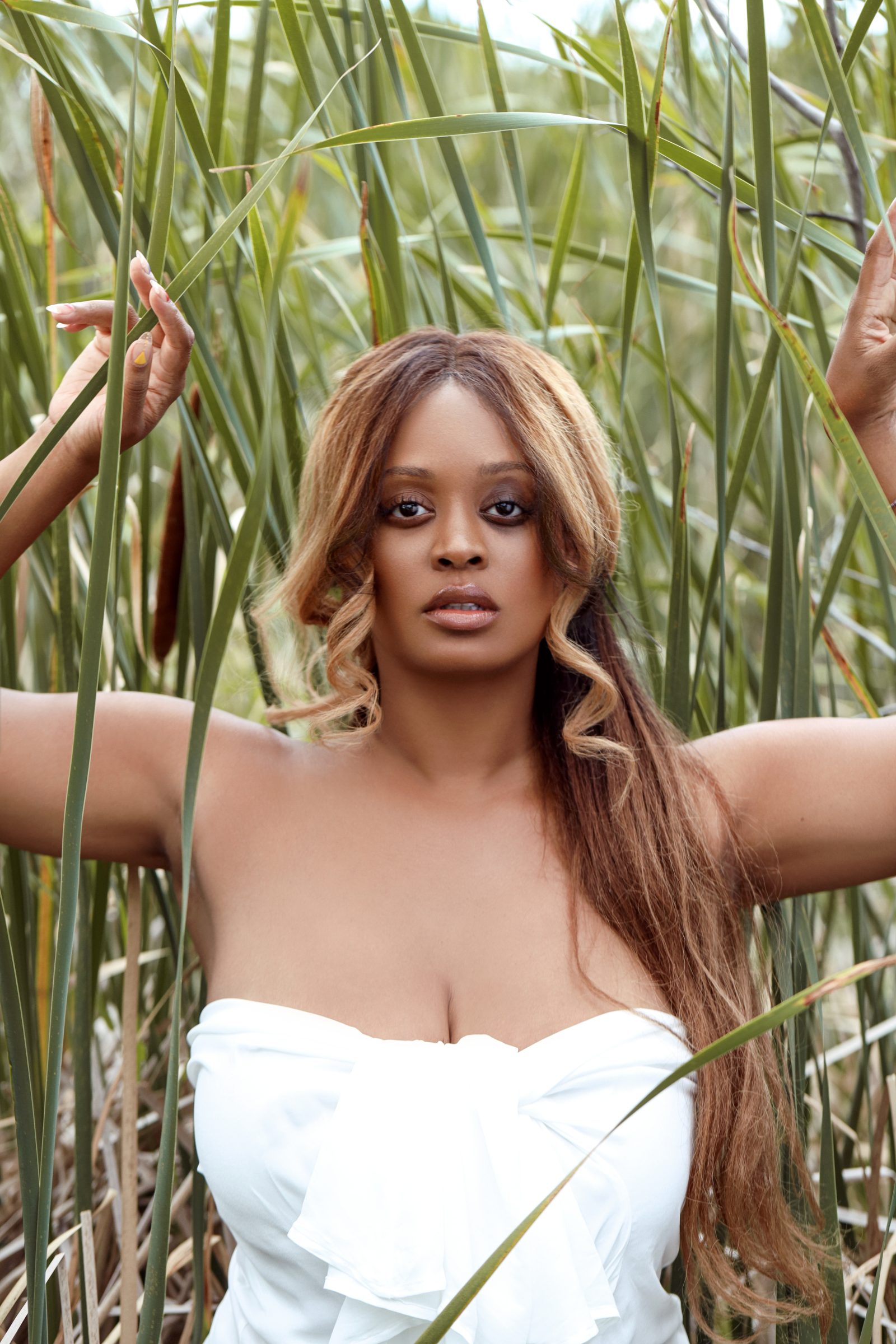
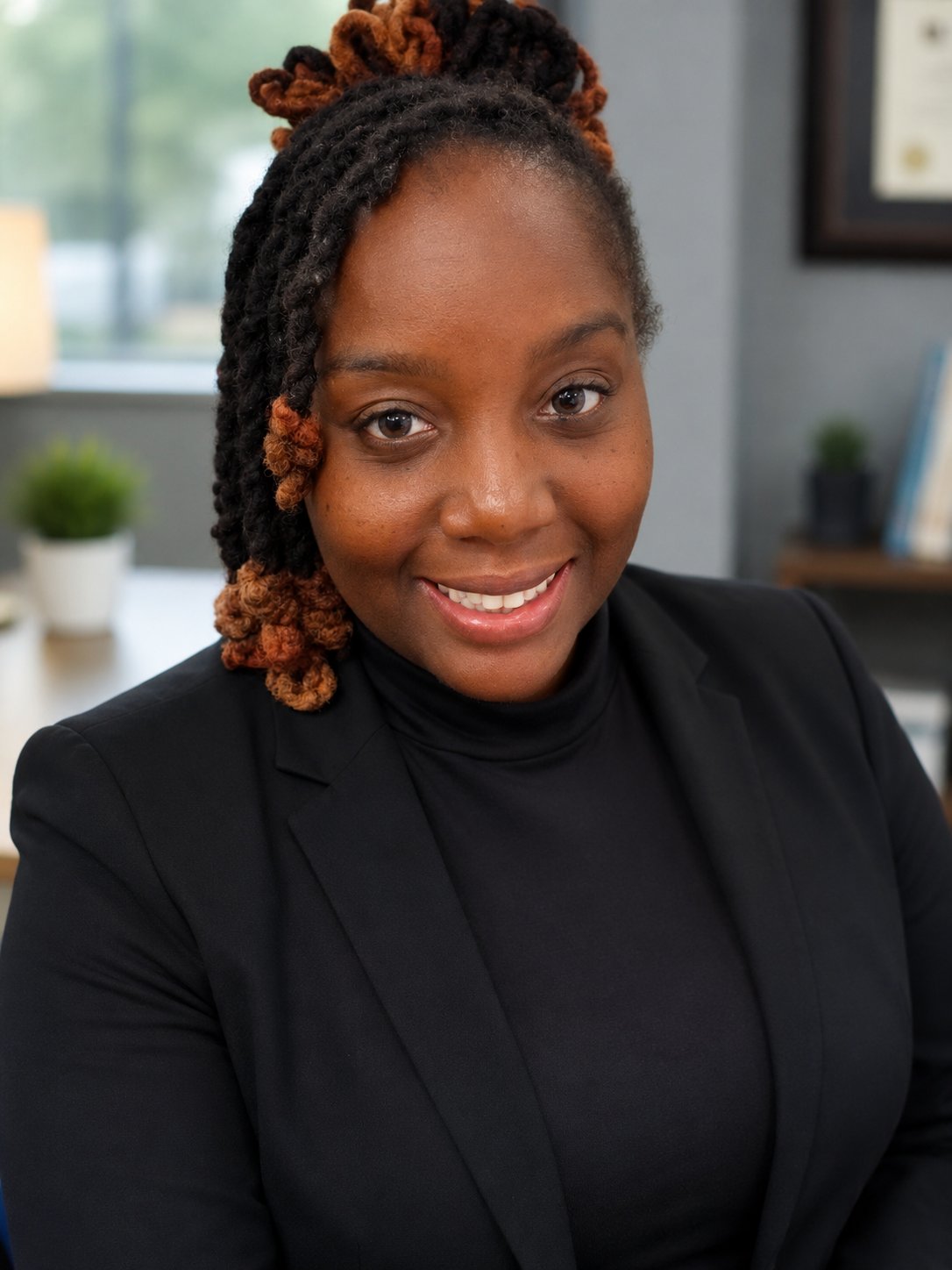
When sisters Chanay Banks and Juanita Banks-Whittington founded Charlene’s Circle of Support (CCOS) in 2023, they weren’t simply creating another nonprofit—they were honoring a legacy, filling a long-standing gap in care, and making kinship families visible in a world that often overlooks them. Rooted in lived experience shaped by kinship care, CCOS uplifts youth and the relatives, grandparents, and family friends who step in with love when parents cannot. A Baltimore Times article says that in Maryland alone, more than 66,000 youth are in kinship care, yet few organizations are designed to support the emotional, cultural, and practical needs of these families.
Through a trauma-informed, healing-centered approach, CCOS centers resilience, emotional well-being, and stability as essential ingredients to family preservation—values that trace back to their mother, Charlene, whose memory and spirit remain the heartbeat of their mission. Beyond its programming, CCOS is steadily shifting how kinship care is understood and resourced statewide, advancing Governor Wes Moore’s Kin-First Initiative and elevating a tradition of community care deeply rooted in the Black family.
A First for Maryland
Now, as CCOS prepares to open Maryland’s first Kinship Support Hub at the Nonprofit Center in Anne Arundel County on March 26, 2026, 10 am to 1 pm, the sisters are ushering in a new era of support—one where kinship caregivers are not invisible, and youth are not left to navigate trauma alone. Together, they are bridging systems and soul, turning lived experience into structural change, and proving that family preservation is both policy work and heart work.
Why This Matters
Kinship care is far more common than most realize. Nationwide, 2.5 million children are raised by relatives. More than 43,000 grandparents are primary caregivers. For every one child in foster care, nineteen are raised by relatives—often without stipends, caseworkers, or coordinated support. The Kinship Support Hub represents a historic milestone: infrastructure that not only preserves families, but honors culture, dignity, and community resilience.
CCOS is proving what happens when lived experience becomes leadership: systems shift, families are seen, and resilience becomes generational. We sat down with Chanay and Juanita to talk about sisterhood, legacy, healing, and how Charlene’s Circle of Support is redefining kinship care for Maryland families.
We sat down with Chanay and Juanita to talk about sisterhood, legacy, healing, and how CCOS is redefining what support looks like for Black families and kinship caregivers across Maryland.
Fancy: CCOS was founded by two sisters in honor of your mother, Charlene. What shared experiences and values brought you together in this work?
CCOS: We were raised in a family impacted by mental illness, substance use, and incarceration, realities that too often leave children without stable systems of care. When our mother, Charlene, could no longer provide the consistent support we needed, our grandmother and aunts stepped in and raised us. Kinship care didn’t just change our childhood; it saved it. We founded Charlene’s Circle of Support to ensure that children growing up in kinship care and the caregivers who step in to raise them are no longer invisible, unsupported, or left to navigate systems alone.
Fancy: What does it look like to lead as sisters, and how do your individual strengths complement each other?
CCOS: Our partnership works because our lived experience is matched with complementary professional strengths. One of us comes from a background in higher education, student affairs, and data, with years of experience supporting college students, analyzing outcomes, and navigating educational systems. This brings a strong foundation in program design, evaluation, compliance, and building pathways that move young people from access to completion.
The other brings the grounding of a licensed social worker, Army veteran, and children’s book author. Her background brings trauma-informed practice, mental health expertise, discipline, leadership under pressure, and the ability to connect with children and families in ways that are deeply human and healing. Through her writing, she also brings storytelling, identity affirmation, and emotional literacy into our work, helping children see themselves as capable, resilient, and worthy.
Together, we bridge systems and soul.

Fancy: CCOS is rooted in lived experience shaped by kinship care. Why was it important to build a trauma-informed organization for kinship caregivers and youth?
CCOS: Kinship caregivers and youth are often navigating layered loss: separation from parents, sudden changes in living arrangements, financial strain, and emotional uncertainty, all while trying to hold families together. Yet too often, they are expected to “just adjust” without access to trauma-informed supports that recognize what they’ve experienced.
We built Charlene’s Circle of Support as a trauma-informed organization because healing must be part of stability and because families deserve a lifelong circle of support, not a short-term handoff. Without addressing trauma, families are more vulnerable to burnout, disrupted placements, school struggles, and long-term mental health challenges.
Fancy: Many don’t realize how common kinship care is in Maryland. What gaps or misconceptions do you want to address through your mission?
CCOS: One of the biggest misconceptions about kinship care is that it is rare — when in reality, it is one of the most common and least supported forms of caregiving in Maryland and across the country.
Thousands of children in Maryland are being raised by grandparents, aunts, uncles, siblings, and other relatives, often stepping in suddenly during moments of crisis related to mental health challenges, substance use, incarceration, or family loss. These caregivers frequently take on full parenting responsibilities without legal guidance, financial support, or access to the same resources available to foster parents.
A major gap is that kinship families are often invisible within traditional child welfare and education systems. Many caregivers don’t know what benefits they qualify for, how to access mental health services, or how to advocate for educational accommodations — and youth often struggle silently with trauma, housing instability, and academic disruption.
Through our mission, we work to change the narrative by making kinship care visible, valued, and supported. We address the gap between love and resources by providing trauma-informed support, navigation, peer connection, and long-term pathways to education, stability, and leadership.
Our goal is to ensure that kinship families are no longer overlooked — but recognized as the backbone of family preservation in Maryland.
Fancy: You’re preparing to open Maryland’s first Kinship Support Hub in 2026. What need does the Hub meet, and why is this the right time?
CCOS: Maryland is in the midst of a meaningful shift toward supporting families through kinship care, but there remains a critical gap between policy and lived experience. While recent reforms, including kin-first child welfare policies that prioritize placing children with relatives and trusted adults, are expanding kinship placements, many caregivers still lack the coordinated resources, guidance, and emotional support needed to sustain those placements long term.
The Kinship Support Hub is designed to fill this gap. It will serve as a centralized, trauma-informed community anchor where caregivers and youth can access consistent support, peer connection, and resource navigation regardless of whether they are formally involved with child welfare. The Hub will ensure families are not navigating kinship care alone, but are continuously connected to trusted guidance, community, and stability.
This moment calls for infrastructure that does more than change policy; it must change lived experience. The Kinship Support Hub meets that need by turning kin-first intentions into real, sustainable family support.

Fancy: What can families expect when they walk into the Hub, and how will it support emotional well-being and family stability?
CCOS: When families walk into the Kinship Support Hub, they are walking into a place of belonging, not an office, and not a system. They will be welcomed into a space where they are seen as families first, not cases. From their very first visit, caregivers and youth will be met by trained navigators and leaders who understand kinship care and who walk alongside them through every stage of their journey.
Fancy: Kinship care has deep ties to Black family traditions of care, protection, and resilience. How does your work honor and uplift the Black community?
CCOS: Kinship care has long been rooted in Black family traditions of love, protection, and collective responsibility. It’s part of traditions that existed long before formal systems of care. Our work is grounded in honoring that legacy.
Charlene’s Circle of Support was created by Black women with lived experience in kinship care, and our programs are shaped by the values we grew up with: family preservation, community accountability, spiritual resilience, and the belief that every child belongs not just to a household, but to a village.
We uplift the Black community by creating culturally responsive, trauma-informed spaces where families are met with dignity rather than judgment, and where their strengths are recognized rather than overlooked. Our programming centers Black voices, Black leadership, and Black lived experience, ensuring that caregivers and youth are not only supported but empowered to lead, advocate, and shape the systems that impact their lives. Our work does not replace the village; it strengthens it.
In honoring kinship traditions, we are preserving a legacy of care while building new pathways for stability, healing, and generational thriving.
Fancy: Your mother, Charlene’s, memory is central to this mission. What part of her legacy do you hope CCOS carries forward?
CCOS: At the heart of Charlene’s Circle of Support is our mother’s spirit, her love, her resilience, and her unwavering belief in second chances.
Charlene had a way of loving people through their hardest seasons. Even while facing her own challenges, she never stopped showing up with compassion, generosity, and an open heart. She believed deeply in the power of family, forgiveness, and the idea that no one should be defined by their worst moments. We want her memory to live on through every caregiver who feels supported instead of overwhelmed, every youth who feels seen instead of invisible, and every family who finds hope instead of isolation.
CCOS is our way of turning her love into action, creating lifelong circles of support that help families heal, grow, and thrive for generations to come.
Fancy: How would you describe your swagher? What makes each of you who you are?
CCOS: Our swagher is a blend of purpose, resilience, and confidence rooted in lived experience and fueled by love for our community.
Chanay Founder:
“My swagher is rooted in resilience, compassion, and purpose. As the middle child, I learned early how to adapt, listen, and lead with empathy, often serving as a bridge for others. I am a lifelong learner who values growth, preservation, and community. What truly defines me is my passion for helping others and my commitment to becoming a kinship philanthropist and advocate using my voice, lived experience, and resources to create lasting opportunities for youth and caregivers.”
Juanita Co-Founder:
My swagher comes from resilience, purpose, and growth. Every chapter of my life taught me how to walk with confidence, humility, and compassion at the same time. I lead with heart, but I’m also fearless when it comes to speaking up for families who are often overlooked. What makes me who I am is my belief that healing, identity, and opportunity can change a child’s future, and my swagher is simply showing up every day to make sure they know they matter.”
For those inspired by your work, how can the community support kinship families and help shift the narrative?
CCOS: Support starts with recognizing that kinship caregivers are the front line of keeping families together and preventing foster care placement, not a last resort. The community can help by donating, volunteering, and advocating for policies that give these families real access to resources. Just as important, we must change the narrative: these caregivers step up out of love and deserve to be seen, valued, and supported, not overlooked.
Where can our readers connect with you?
Readers can connect with CCOS on all social media platforms at @charlenescircleofsupport and via email at info@charlenescircle.org.
You can also support CCOS by attending the opening of their office in Anne Arundel County, Maryland. Register at https://forms.gle/NErB7zjK9NcN7bxm7.
Read More