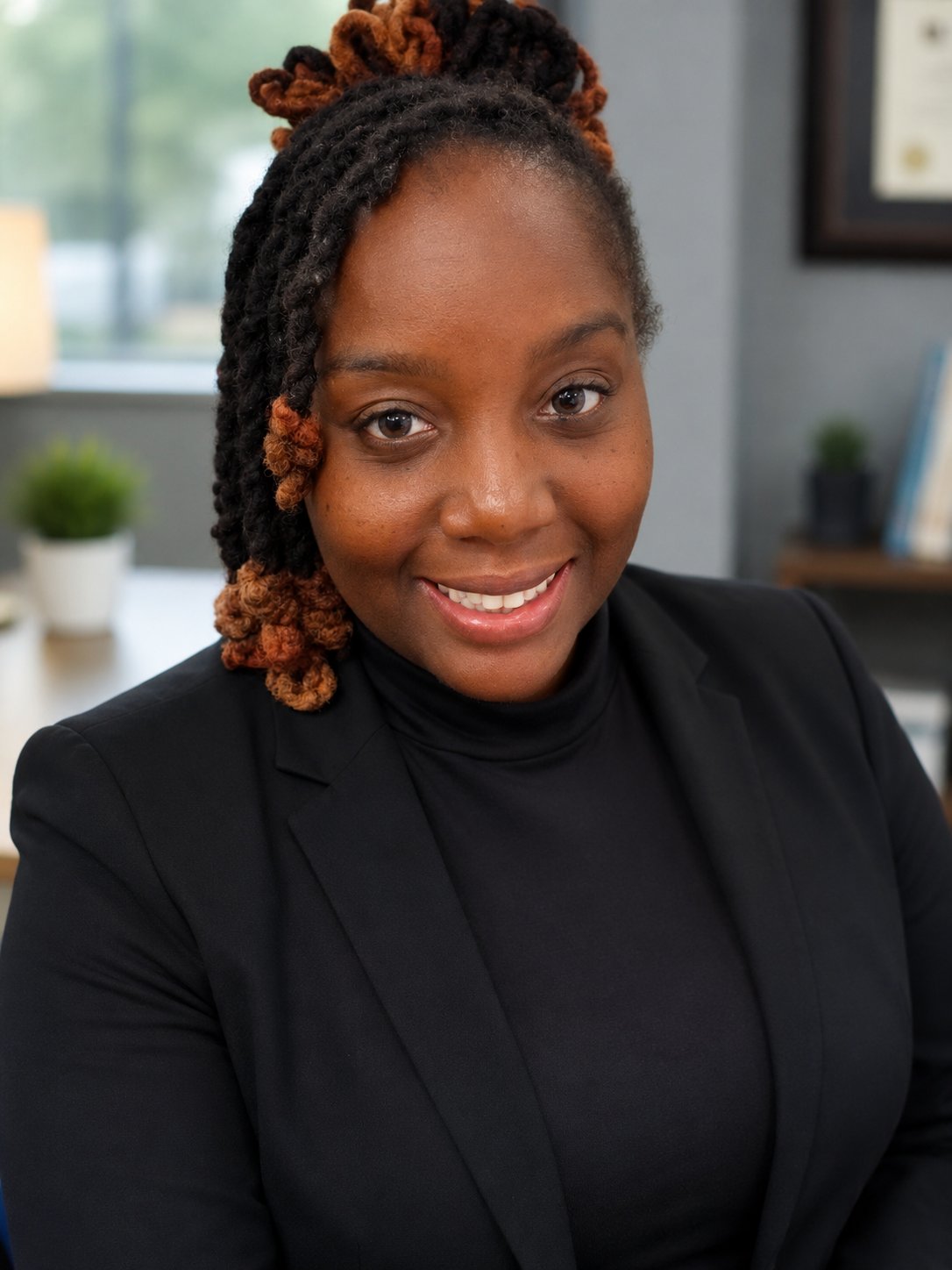
Leading with intention isn’t just a philosophy for Kenyatta Powers-Rucker—it’s the foundation of a career built on impact, innovation, and empowerment. A visionary technology executive, international speaker, and leadership coach, Powers-Rucker has spent nearly three decades shaping the future of government IT while creating pathways for women and underrepresented communities to rise in spaces where they have often been overlooked.
As the former Chief Information Officer for the Maryland Department of Human Services—the first African American woman to hold the role—she led statewide digital transformation efforts, managed a $100 million IT portfolio, and oversaw teams of hundreds while ensuring technology served real families and communities.
Today, through KD Powers Consulting and her signature platforms—including Leading with Intention Leadership Coaching, Ladies in Tech, and Taste of Technology—Powers-Rucker is building more than programs; she’s building ecosystems of access, confidence, and visibility. Her work bridges leadership development, community empowerment, and technology education, ensuring that the next generation of leaders—especially women—enter the room prepared not just to participate, but to lead.
In this SwagHer Spotlight, Kenyatta Powers-Rucker reflects on her groundbreaking journey, the lessons she learned navigating male-dominated industries, and why intentional leadership is the key to creating lasting change for women, communities, and the future of technology.
Fancy: You’ve made history in Maryland as the first African American woman CIO for the Maryland Department of Human Services—a powerful milestone. How has working and leading here in Maryland, especially with communities like Prince George’s County, shaped the way you serve and innovate?
Kenyatta: Making history as the first African American woman CIO was an honor, but serving in public service was truly a gift.
Every system I helped develop, support, or transform wasn’t abstract technology; it was designed to serve real people. Families who needed access to food assistance, child support, and stability. Technology in that space carries responsibility, and I never lost sight of who it was meant to serve.
Working in Maryland, especially alongside counties like Prince George’s County, deeply shaped how I lead and innovate. These are communities rich in strength and resilience, yet often navigating systemic barriers. Knowing that the work we were doing directly impacted needy families made me lead with urgency, compassion, and accountability.
Innovation for me has always been about equity and access, ensuring systems work for the most vulnerable, not just the most visible. Public service taught me that technology, when led with intention, can be a powerful tool for dignity, opportunity, and transformation.
Fancy: Your leadership journey spans nearly 30 years in government IT and digital transformation. What pivotal moment first showed you that you were called to lead in spaces where many women—especially Black women—weren’t always welcomed?
Kenyatta: When I first stepped into leadership, acceptance wasn’t automatic. I worked hard, delivered results, and consistently showed up prepared and capable. As I moved higher, those feelings of being unaccepted intensified—but I kept doing the work, kept producing results, and eventually, I got noticed. Even in moments when I doubted myself, I never stopped leading with excellence.
The pivotal moment came when I was invited to serve on a task force focused on attracting underrepresented women into technology. Walking into that initial meeting, something shifted. For the first time in a long time, I wasn’t there to justify my presence; I was there because my leadership insight and lived experience as a woman in tech actually mattered.
That moment helped me see the bigger picture. What I had endured wasn’t random; it was preparation for my next steps. Shortly after, I began speaking on stages, sharing my story, and helping other women see what I once needed to believe myself: that it is possible.
That experience made it clear that my calling wasn’t just to succeed in those spaces, but to create pathways, visibility, and confidence for women—especially Black women—who were still trying to find their footing.
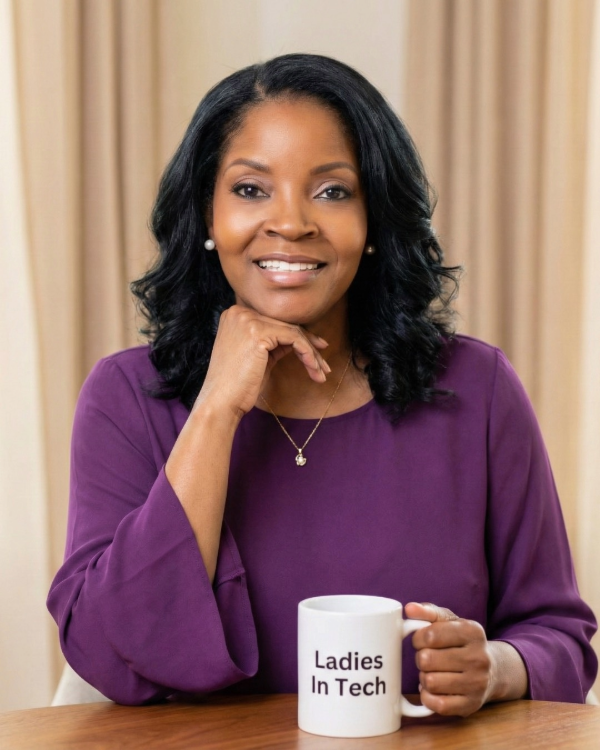
Fancy: KD Powers Consulting houses several signature platforms. What inspired you to build an ecosystem—Leading with Intention, Ladies in Tech, Taste of Technology—instead of focusing on just one lane?
Kenyatta: I built an ecosystem because the needs I was seeing didn’t exist in just one moment or one stage of life.
Each platform was created at a different point along the journey, where I saw a gap and felt a responsibility to do my part in filling it. Taste of Technology was born out of the need for early exposure—introducing children to technology before limitations, stereotypes, or self-doubt ever take hold. It’s about helping young people see technology as accessible, exciting, and possible.
Ladies in Tech was created for women who were already doing the work but often felt invisible. I wanted to create a space where women could be seen, celebrated, and connected—where their stories, expertise, and leadership were documented and amplified. Through the community and the anthology series, Ladies in Tech provides visibility, credibility, and a sense of belonging in spaces where many women still feel isolated.
Leading with Intention and Rise & Lead were developed for women who had reached leadership roles but were navigating them without a playbook. These programs focus on identity, confidence, communication, and sustainability—helping women lead effectively without burning out, shrinking, or second-guessing themselves. It’s about giving leaders the tools I wish I had when I was coming up.
Together, these programs form a full-circle approach—from exposure, to empowerment, to sustainable leadership. I didn’t want to focus on one lane when the need was broader. I wanted to build something that supported individuals from childhood curiosity to confident, intentional leadership.
Each platform reflects a moment where I saw a need, felt called to respond, and chose to contribute, not just for today, but for generations to come.
Fancy: Your Ladies in Tech community and best-selling anthology series have created visibility for so many women. What gap in the tech space were you most determined to fill when birthing this movement?
Kenyatta: When I birthed Ladies in Tech, I was determined to fill more than just a visibility gap; I wanted to change the narrative that technology is a space meant only for men.
There are so many women in tech who are just as creative, innovative, and strategic, yet their contributions often go unseen or unacknowledged. The anthology series was intentionally created to give women a voice—to document their journeys, highlight their expertise, and showcase the impact they are making across the industry.
Ladies in Tech proves that women are not just participating in technology, but they are leading, building, and transforming it. And just as important, when other women see these stories, it encourages them to imagine themselves in those roles too. Representation creates belief. Visibility creates confidence.
The Ladies in Tech platform is shifting perception, expanding possibility, and ensuring women know they belong in tech spaces and leadership conversations.
Fancy: Taste of Technology focuses on early exposure for youth in underrepresented communities. Why is it so important for you to reach the next generation, and how do you see tech shaping the future for Maryland youth specifically?
Kenyatta: Taste of Technology was born from a moment that stayed with me.
I was volunteering in a Baltimore City elementary school, teaching a short coding class to students. The training was only scheduled for one week, and when that week ended, the children were genuinely disappointed. They asked why it was over and when they would be able to learn more. At that time, their school didn’t even offer a technology class.
That moment was eye-opening. It made it clear how early gaps in exposure begin and how much curiosity and potential already exist in our children when they’re simply given access. I started Taste of Technology as a way to introduce technology to kids who might otherwise never see themselves in those spaces.
Reaching the next generation matters to me because exposure shapes confidence. When children are introduced to technology early, they begin to see it as something they can explore, create, and eventually pursue. For Maryland youth—especially those in underrepresented communities—technology represents opportunity, career pathways, and the ability to shape their own futures.
Taste of Technology is about meeting curiosity with access and planting seeds that can change lives long before careers are even imagined.
Fancy: You’ve received major recognition—from Governor’s Citations to global speaking accolades. Which award or moment of acknowledgment affirmed your purpose the most?
Kenyatta: Every recognition I’ve received has been special, and each one represents a moment I’m deeply grateful for. The Governor’s Citation was an incredible experience, one that I will always cherish. It affirmed the importance of public service and the impact of the work we were doing for families across the state.
However, one of the most meaningful moments of acknowledgment came when I was named one of Government Technology’s Top 25 Doers, Dreamers, and Drivers in 2024. That recognition was completely unexpected. I didn’t apply for it or campaign for it; they chose me based on the work itself.
What made it especially powerful was seeing my name recognized nationally, featured in articles and magazines, alongside people who often didn’t look like me. In that moment, it affirmed that excellence speaks, even in spaces where representation is still limited.
That acknowledgment reminded me that the work matters, that purpose-driven leadership is seen, and that there is room for us at every table, even when we’ve historically been underrepresented.
Fancy: Your leadership coaching helps women define their identity and influence. What is one leadership misconception you’re committed to dismantling for Black women—especially those who are rising in corporate or government spaces?
Kenyatta: One of the biggest leadership misconceptions I’m committed to dismantling for Black women is the belief that what they have to say is not important enough to say out loud.
Many women hesitate to speak up in meetings or executive spaces, not because they lack insight, but because they’ve internalized the idea that their voice may not carry weight, or that they need to be “extra certain” before contributing. Over time, that hesitation can quietly limit visibility, influence, and confidence.
I work with women to shift that mindset, to understand that their perspective is valuable because of their experience, not in spite of it. I help them communicate confidently with executives, articulate their ideas clearly, and speak with authority without second-guessing themselves afterward.
Leadership requires presence. When women stop questioning whether their voice matters and start owning it, everything changes: how they’re perceived, how they show up, and how they lead.
Fancy: Faith is a big part of your journey, and you’ve been a church leader for over 15 years. How does your faith show up in the way you lead, coach, and build community?
My faith is my foundation. It’s not separate from my work; it’s the reason I do this work.
It shows up in how I make decisions, how I treat people, and how I lead with integrity, even when it’s uncomfortable or costly. My faith reminds me that leadership is stewardship. People are not projects. Titles don’t define purpose, but the calling does.
This work—every program I lead, every platform I’ve built is directly connected to my why. I truly believe I was called to do this. Called to lead, to pour into others, and to create spaces where people can grow, heal, and step fully into who they were created to be.
I walk by faith in my leadership, trusting God even when I can’t see the full path. That same grounding is what I bring into my coaching and community, encouraging leaders to move with conviction, courage, and compassion, while staying anchored in who they are and whose they are.
Faith is not just part of my journey—it guides it.
Fancy: Your work is deeply connected to empowerment, visibility, and intention. How would you describe your SwagHer? What makes Kenyatta Powers-Rucker, Kenyatta Powers-Rucker?
Kenyatta: My SwagHer is a quiet confidence that comes from knowing who I am and why I’m here.
It’s about showing up as myself without waiting for someone to approve me or tell me I belong. It’s working hard, leading, and helping other people win at the same time. My faith guides how I move, how I treat people, and the choices I make.
What makes me me is that I don’t pretend to be perfect. I’ve had big wins, and I’ve had hard seasons. I’ve doubted myself. I’ve felt the pressure. But instead of letting those experiences stop me, I’ve used them to grow and to help other women grow, too.
I lead with intention because I know what it feels like to wonder if you belong in the room. And I want women — and young girls — to know they don’t just belong there. They’re capable of leading too.
Connect with Kenyatta at @kenyattapowersrucker.