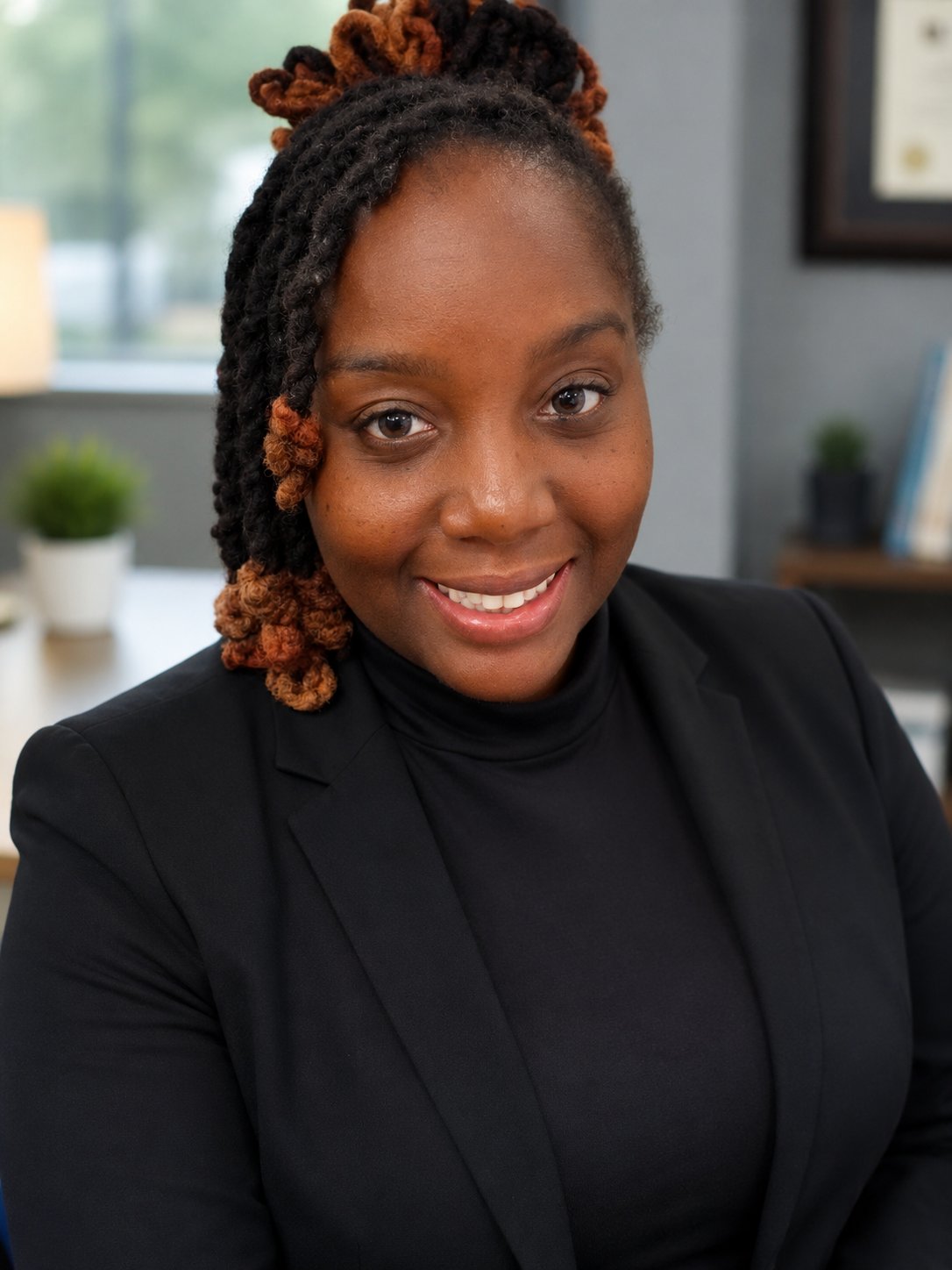
Dr. Inger Burnett-Zeigler addresses the unrecognized, untreated mental health challenges in the black community including stress, irritability, anger, and even weight gain. She also impacts the lack of actual mental health providers of color and providers in general (actual healthcare centers). There’s a lack of culturally competent providers with no distinction of color. There’s a lack of AA providers. APA says less than 5% of CPs are black.
Fancy: From your experience, what are the most common mental disorders within the Black community?Â
Dr. Inger: African-Americans experience a disproportionate burden of stress related to employment, finances, family strain, and concerns about health and safety. These stressors contribute to mental health conditions such as depression, anxiety, and traumatic stress. African-Americans are more likely to experience childhood trauma, domestic violence, and exposure to gun violence. These traumatic experiences have long-lasting impacts not only on mental health but also physical health.
Fancy: As a woman of color, why do you feel you are able to uniquely address mental challenges faced in our community?
Dr. Inger: Sometimes, people in our community don’t want to seek help. Do you know why this is? African-American adults with mental health needs are 50 percent less likely than those who are white to seek treatment. This is partly due to concrete barriers such as lack of insurance coverage, time, transportation, childcare, or availability of therapists in their neighborhood that are easily accessible. African-Americans are also less likely to see themselves as having a mental health need, believe that they can solve the problems they are experiencing on their own, or don’t think that therapy will be effective. African-Americans seeking therapy tend to prefer a therapist of their same race because they believe that they will be better able to understand their unique experiences and less likely to judge them. However, only 5% of psychologists nationwide are Black. The lack of diverse providers, and culturally competent providers, poses a major barrier to communities of color getting much-needed mental health treatment.
Fancy: What are the key benefits Black men and women can gain from seeking good, quality help from a therapist?
Dr. Inger: Stress is something that we all experience. However, chronic and left untreated stress can manifest into larger problems like depression, anxiety, weight gain and contribute to chronic health problems like insomnia, diabetes, and hypertension. Therapy provides a safe, non-judgmental space where people can take time for themselves to bring awareness to the things that are causing them suffering. Therapy provides an opportunity to notice unhealthy patterns of thinking and cycles of behavior that are contributing to the mental health problem. The therapist can point out these unhealthy patterns to the client and provide them with tools to promote their mental wellness. This may include offering yourself words of compassion, learning how to establish healthy boundaries, and implementing opportunities for joy and pleasure. Every person coming to therapy has different needs and brings with them a different set of life experiences. It is the therapists’ job to empower them with tools such that they are equipped to make the behavioral changes necessary to live a better life.
Connect with Dr. Inger below:
Website: https://ingerbz.com/
LinkedIn: Dr. Inger Burnett-Zeigler