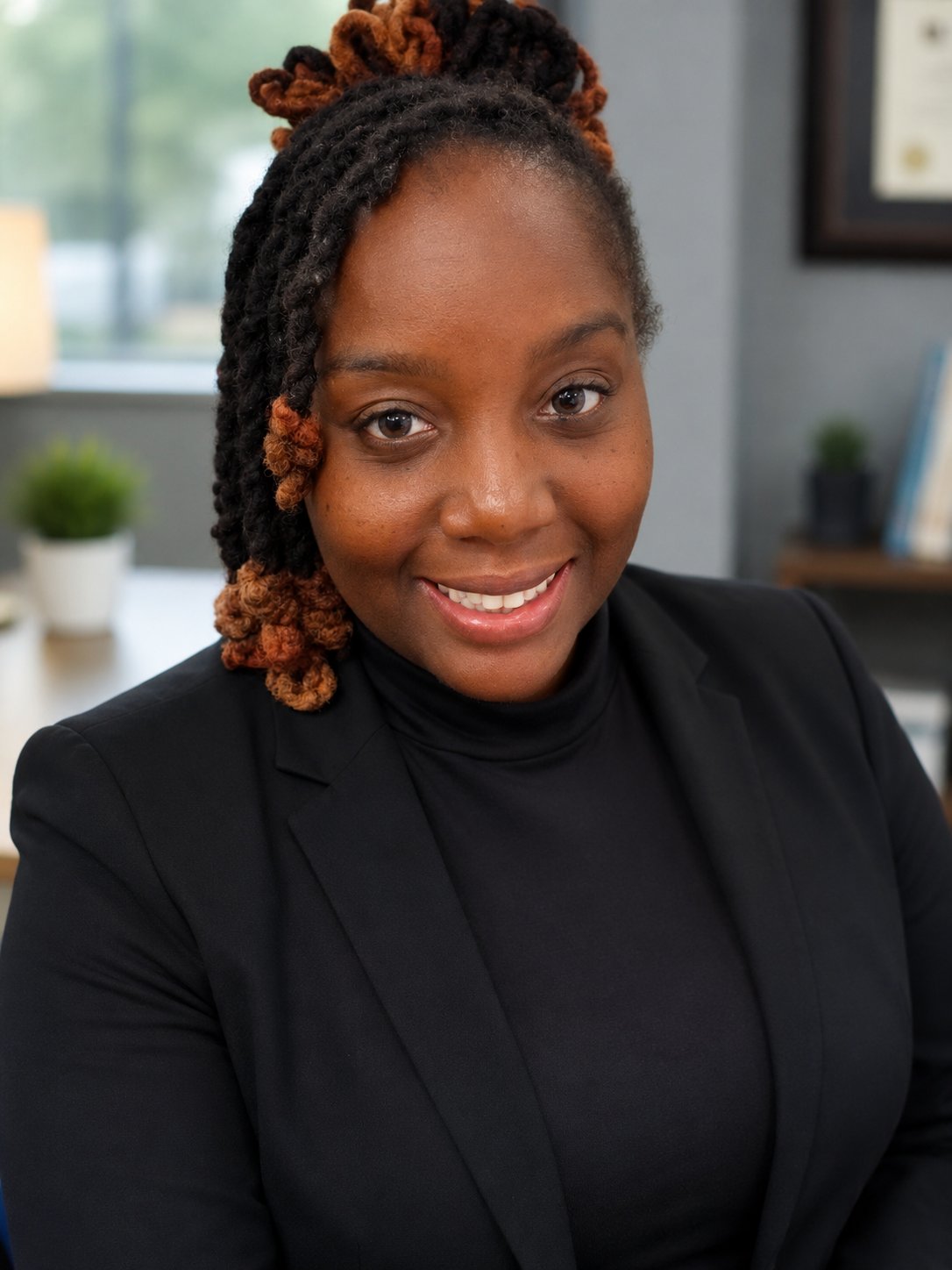
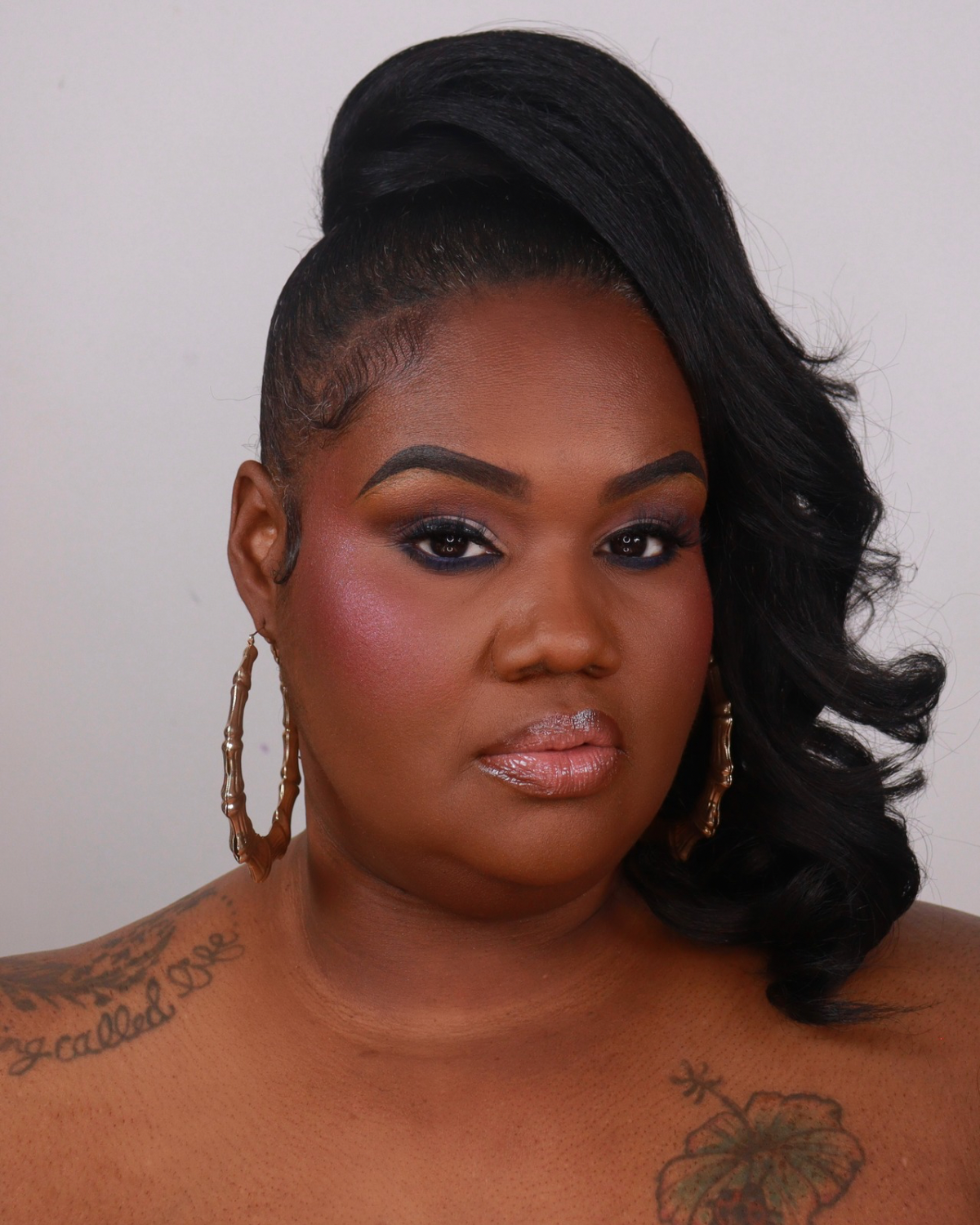
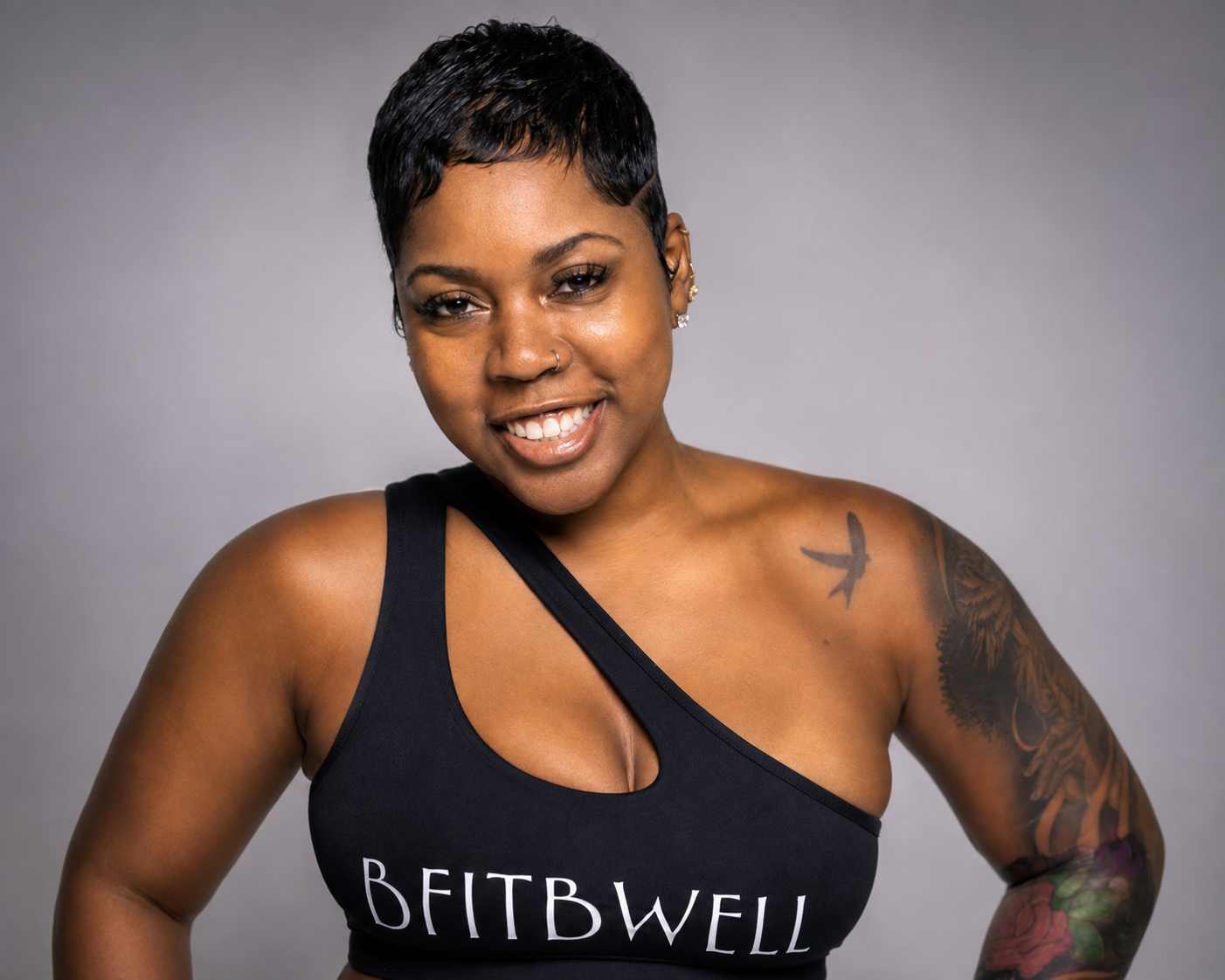
In this heartfelt installment of SwagHer Magazine’s “Memories of My Dear Mother” series, we are honored to share the powerful story of Natasha Lee — a dynamic entrepreneur, visionary, and servant of Jehovah — who opens up about the incredible life, love, and legacy of her late mother, Delores Starks. Through raw emotion and grace, Natasha reflects on the deep bond she shared with her mother, the life lessons that shaped her, and how Delores’s faith, boldness, and unconditional love continue to guide her through every step of her journey. This moving tribute is a celebration of a woman who was truly unforgettable, and a reminder of how a mother’s love can leave an everlasting imprint on the soul.

Please tell us about yourself.
Natasha: My name is Natasha Lee, and I’m a servant of Jehovah God, a full-time entrepreneur, community builder, and visionary, hopeless romantic, funny, loving mom, tech girl, self extrovert, introvert, brilliant mastermind behind “Being That Girl” and “Make Your Dreams Come True.” For the past 18 years, I’ve committed my life’s work to helping others realize their dreams — whether through business development, youth mentorship, or creative empowerment. Everything I do is deeply rooted in love, purpose, and legacy. I am THAT GIRL!
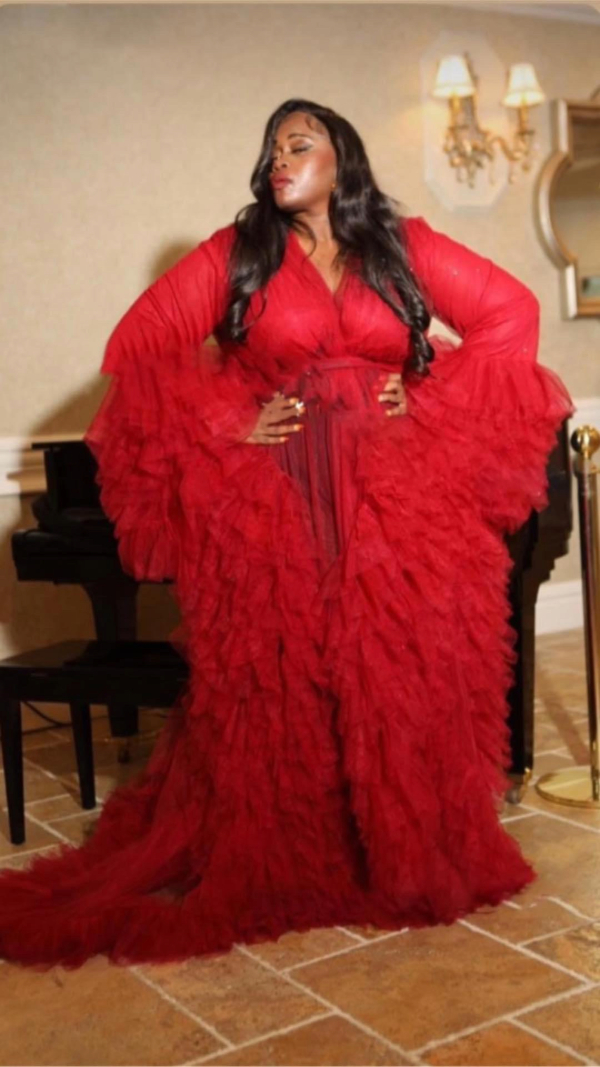
Please tell us about your mother.
Natasha: My mother, Delores Starks, was the very definition of unforgettable. A true force, she was a beautiful blend of Ms. Pat’s honesty, Sandra from 227’s sass (Jackée Harry), Marilyn Monroe’s glam, Jenifer Lewis’s boldness, and her own fabulous alter ego — That Girl. That’s what people called her, because she truly was that girl. She was always fly, always elegant, and always bold and unapologetically herself.
She was known for how she dressed, how she dressed her children, how well she was taken care of, and how she made people feel. Her energy lit up rooms, and when necessary tore them down and her love — especially for her children and grandchildren — was fierce, limitless, and often overwhelming in the best way. She adored us, and her love poured into everything: how she raised us, prayed for us, spoiled us, protected us, and prepared us to become our best selves.
She was also hilarious — famous for her quick wit, sharp sayings, and comedic lines that could leave a room crying and laughing. But she also didn’t play. As she would often say: “Don’t get nothing on you!” She could sit you down with love and correct you without raising her voice. She was kind, generous, loving — and direct. She taught us the beauty of balance: be soft, be sweet, but never let anyone play with you.
My mother was the first person to introduce me to Jehovah and Jesus, as well as the idea that we could pursue highly esteemed professions and become entrepreneurs. What made this so powerful is that my mother had dropped out of school in the sixth grade and wasn’t someone who attended weekly worship services herself — but Jehovah and His requirements were always on the tip of her tongue. She made sure we were in worship and Bible study every single week with our grandmother.
Later in life, my mother made a complete transformation. She became fully committed to Jehovah, eliminated habits that no longer served her, and developed a deep relationship with Him that softened her spirit and reshaped her entire way of life. It was beautiful to witness.
She also had the strength and humility to take accountability for the things she felt she didn’t get right as a mother. She apologized to us and gave us the space to speak freely — something not often seen in many households. That openness fostered leadership in us. It gave us the confidence to speak boldly and respectfully to anyone, because we had the freedom to do it with her first. That’s part of the reason we’re strong today — because our mother taught us how to speak up, love deeply, and grow through honesty.
When was your mother’s birthday and her passing date?
Natasha: My mother’s birthday was February 15, 1953 and she passed away on September 11, 2017. Each year, I honor her life and legacy by pushing forward, even when it’s hard, because I know that’s what she would want me to do.
What was life like for you when your mom first passed away?
Natasha: I lost my mother at an incredibly interesting and difficult time. I was having challenges in my marriage, and she — foreseeing her death — began telling me with urgency that I needed to leave my husband. She shared painful, prophetic truths about the fate of our relationship, but because I loved her so deeply and still had hope for my marriage, I defended him and our children — and in doing so, I said some incredibly harsh and cutting things to her. Words I wish I could take back.
But what makes this even more powerful is that the day before that argument, we had a beautiful, life-changing conversation. My mother apologized for everything she had ever done wrong as a mother. She explained the reasons behind some of the hardest decisions she made and the things she allowed to happen. We both cried deeply. I told her how much I loved her, how I forgave her, and how grateful I was for all she had done for me. It was one of the most tender and healing moments we ever shared — our spirits meeting in truth and grace.
Then, the very next day — after the argument — I arrived for what was supposed to be a grandma shopping day at the top of the school year. Per usual, she wanted to take the grandkids on a shopping spree. My daughter and I pulled up with pizza, and she had picked out a greeting card for her Granny that read, “You spoil me like a puppy.” She was around seven or eight years old at the time.
As she ran into the house with excitement, my son Nathan came running out to tell me something was wrong with my mom — who had just opened the door for us. I rushed in to find her having a stroke. Right before my eyes, her tongue fell out of her mouth, and she passed away. There was nothing I could do. My children and I witnessed her final moments — her struggling, sweating, attempting to speak — while oxtail soup boiled on the stove. In that moment, I lost my entire mind.
I didn’t sleep for two years after that. The trauma was too deep. On top of my own grief, I had to help my children process what they saw. They suffered through panic attacks so severe that we had constant emergency visits. They lost patches of their hair. I’d pull up to her house — just down the street from ours — and we’d cry together in the car, broken because our daily routine was now just a painful memory.
How has life been since the loss of your mom?
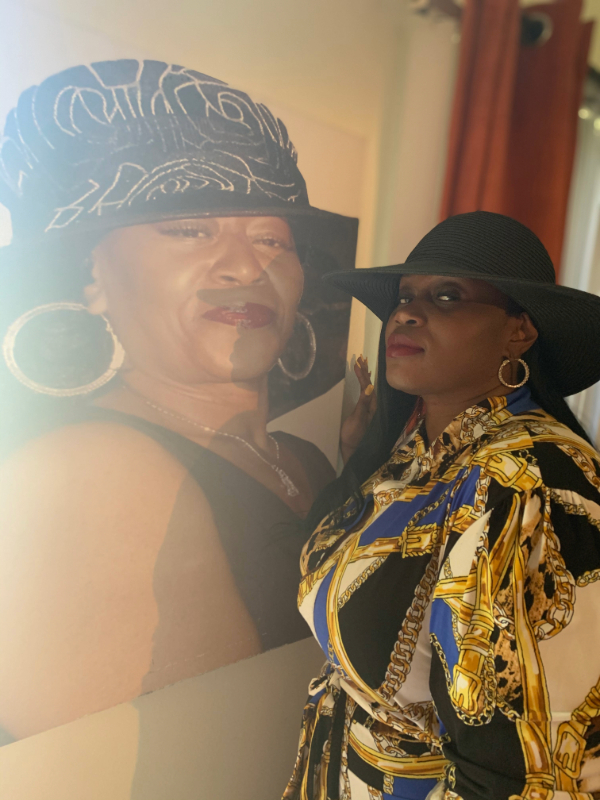
Natasha: Life has been hard and unreal since my mom died — but it’s also been beautiful, because each day I wake up with a grateful heart. My kids and I have experienced abandonment, and we haven’t felt that deep, unconditional love since she left us. The love, support, fearless conversations, and safe haven she created for me disappeared the day she passed.
I wasn’t truly grown until my mother died. That was my realization. But even more than that, I now understand that I could not have become successful without her. She gave me every part of her soul with limited resources but limitless faith. She was just a mother — not perfect — but based on her upbringing, she made sure her children would be ten times better. She believed in us wildly, and poured every ounce of herself into our success. She was good, classy, elegant, rough, raw, real, blunt, and hilarious — but her faith? That was her most attractive quality. She truly believed that all things were possible through Jesus.
I miss her wisdom. I miss her jokes. I miss her support, her help, her laugh, her unfiltered advice, and the camaraderie of “me and my kids against the world.” After she died, I discovered something powerful: I was That Girl in my own right, my own way — and it was because she showed me how.
Growing up, I could tell my mom I wanted to be the President, own a $50 million mall, be a teacher or a doctor — and she never once said I couldn’t. Her response was always simple: “Do it.” And so I do. I just do it. Crying. Broken. But full. Elated to be living life anyway. Finding peace. Finding happiness. Building resilience.
Her death forced me to confront childhood trauma and face every layer — the good, the bad, the beautiful, and the ugly. And through all of that, if I had the chance to choose again — I would choose her. Over and over again. To be my mother. Always.
When people call me That Girl, I smile because I think of my mom. And then I think of Jehovah, the One she told me to love even more than her. She said he would be my only best friend — and unlike her, he would never leave. What a grand strategy. What a mother. What a legacy.

How were you able to navigate the loss?
Natasha: I navigated the loss by pouring my grief into purpose. I built businesses in her honor, surrounded myself with a tribe of spiritually conscious people, and stayed anchored through prayer, therapy, journaling, laughter, dancing, socializing, and serving my community.
I also have to be honest — I developed poor coping habits, like smoking marijuana consistently to sleep. I had never used drugs before, always valuing my mind and body, but after my mother’s death, I couldn’t cope. My mother died reaching for me and died right before my eyes. For two years consistently, I couldn’t sleep and the memory of her dying in front of me and my children’s screams haunted my spirit unbelievably. Although it started as a way to manage anxiety, I regret letting it become a regular habit, and I continue to warn youth against using it as a crutch. If I could go back, I would have leaned solely on Jehovah as I always had. As a result of the side effects of other medications, marijuana seems more safe and soothing but it can alter one’s ability to function at a high level. I have no idea how Snoop Dogg does it. (lol)
Through constant prayer, therapy, community support, and actively addressing my childhood trauma, I found strength. I explored my true self and committed to living abundantly, knowing my mother would want me to do my best in life. Despite the pain, I turned my loss into resilience, peace, and purpose. However, coping with the loss of her is never truly resolved, I’m always navigating. Some days I cry for her like a new born baby while others I throw my burdens onto Jesus and others, I dance the day away, take walks and do these things that bring healthy comfort.
What are your best memories of your mom that you keep in your heart?
Natasha: There’s not enough pages to share our best memories. Memories as a child playing two square or racing. While growing up our parents let us write or tell them individual and/or collective wish lists, and every Thursday we received our wish list until we were 18 years old. Since we didn’t celebrate holiday’s, but my father did, for every holiday and birthdays we received $100. I miss her laugh, voice, advice, honesty and raw opinions. Her warm hugs. Her quiet sacrifices. The way she believed in me — even when I doubted myself. I keep those moments buried deep in my heart because they still give me strength.
I remember our late-night talks, and how just her presence could heal anything that was wrong. She had this way of loving us that made everything feel safe. She taught us to want the best life could offer — not just materially, but spiritually too. She always said, “Everybody is somebody,” and she meant it. She made sure I knew to treat the janitor like the CEO, and to this day, I treat people with as much kindness as they’ll allow me to give.
Some of my favorite memories are getting dressed together, shopping, enjoying her family and friends, she was the life of the party, dancing, cracking jokes, cooking for us, just spending real time loving us. I loved seeing her be a grandmother. Her bond with my children, nieces, nephews — it was GOLD. And her friendship with Jehovah was personal and powerful. I admired that.
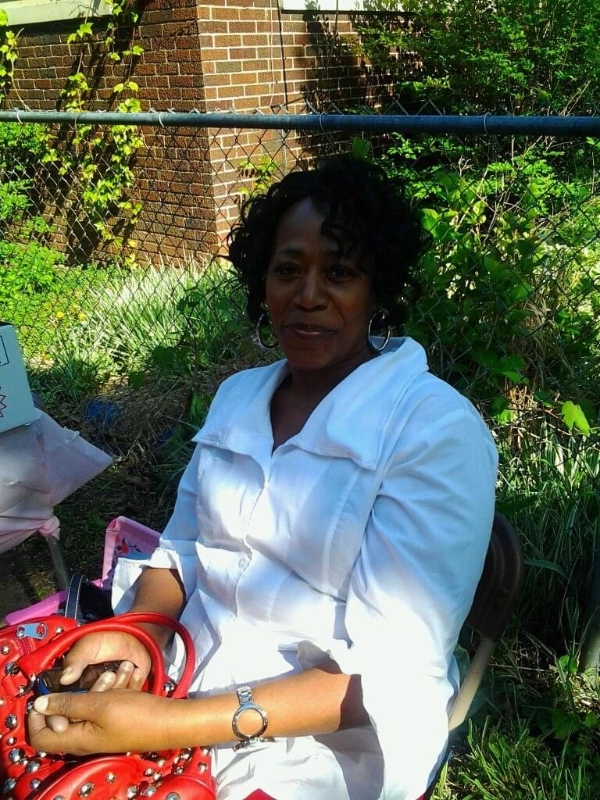
My mama was dope. Everybody wanted her swag, her honesty, her confidence. She taught me how to negotiate with merchants, dream big, be a leader and stand on my own.
I’ll never forget when I leased this car I hated — it made me look like a tired soccer mom at 22 — and she didn’t even hesitate- took me straight to the dealership and bought me a new Impala off the lot. That was my mama.
When I was in my late twenties or maybe thirty, running a company, overwhelmed managing hundreds of employees, she created me an entire office inside her home. Cherry wood desks, leather chairs, a top-of-the-line touchscreen desktop when nobody had them, fax, copier and much more. She laid it out. Made me breakfast and lunch while there. Everyday she watched her grandchildren, and picked my sons up from school — just so I could breathe and keep going.
She was a ride-or-die mom. The kind who might’ve fought for her kids if needed, but loved kids too much to ever fight them. She was funny, fearless, classy, spiritual, stylish, and full of joy. She bought me gifts even beyond her death. She loved my children more than life itself.
She loved her flowers, her plants, her lawn, her fashion. But most of all, she loved us — loud, bold, and without condition. Those memories? They are stitched into my soul. And I carry her with me in everything I do.
What advice would you give to someone coping with the loss of their mother?
Natasha: Feel everything. Don’t rush your healing. Grief has no timeline and it doesn’t move in a straight line. Some days will feel impossible, and others will feel full of light — and both are normal. Speak her name often. Keep something of hers close to your heart. Create something in her honor. Most of all, know that she’s still with you — in your strength, your smile, your soul, and in the way you keep living.
When you feel abandoned, remember the promise found at Psalm 27:10 in the New World Translation, which says: “Even if my own father and mother abandon me, Jehovah himself will take me in.”
Jehovah will never leave you. Pray endlessly. Prayer really does work — it strengthens you when you have no strength left. Stay close to God (James 4;8) through every high and every low.
Also, be intentional about cultivating good habits that you can be proud of — habits that honor your life, your mind, your health, and your purpose. Choose to do what’s best for you even when it’s the harder path. Healing doesn’t mean forgetting — it means building a life that your mother would be proud of, and that you can be proud of too. You are not alone. You are cared for.
And you are still becoming everything she dreamed you would be.
How can readers connect with you on social media?
Natasha: You can find me on Instagram at @IMTHATGIRLNATASHA AND @thatgirligaccount or visit www.mydct.net and iam-thatgirl.com I’m always open to sharing stories, healing, and continuing the legacy of the women who made us.
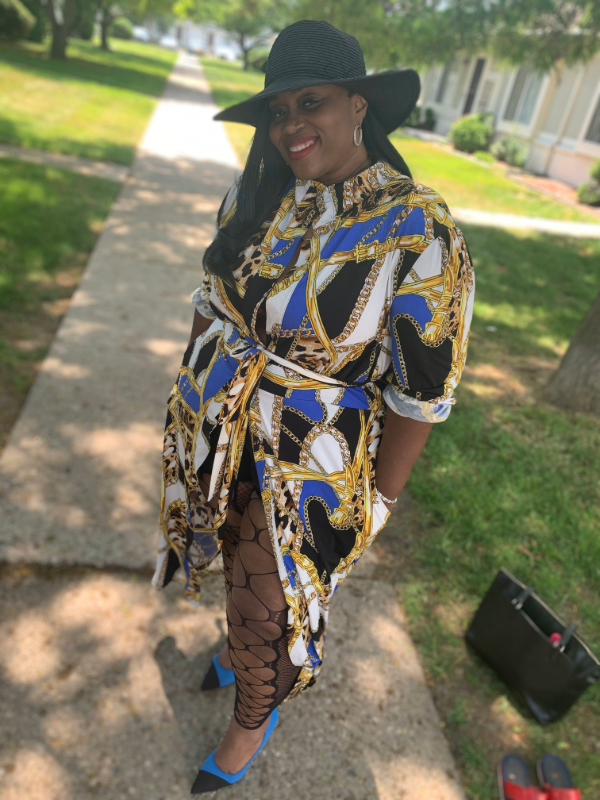
Natasha Lee’s tribute to her beloved mother, Delores Starks, is a testament to the extraordinary impact a mother’s love can have — fueling dreams, inspiring resilience, and shaping future generations. Though grief remains an ever-changing companion, Natasha continues to honor her mother’s memory by living boldly, loving deeply, and building the legacy her mother always believed she was destined for. Through every laugh, every triumph, and every heartfelt prayer, Delores’s spirit lives on — proving that the love between a mother and child is truly eternal.
Rest in Power Delores Starks
(February 15,1953 — September 11, 2017)
Read more SwagHer Spotlights here.