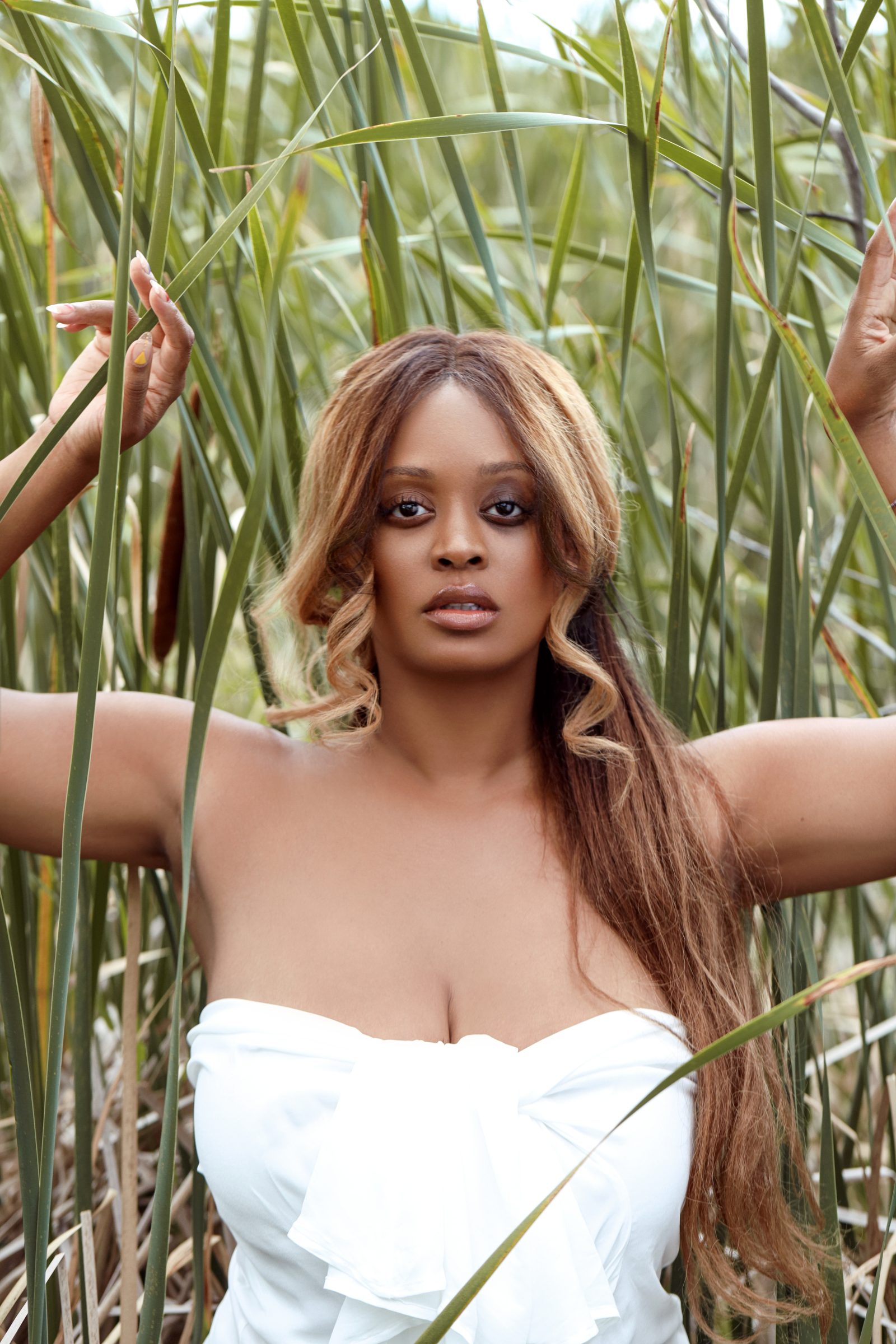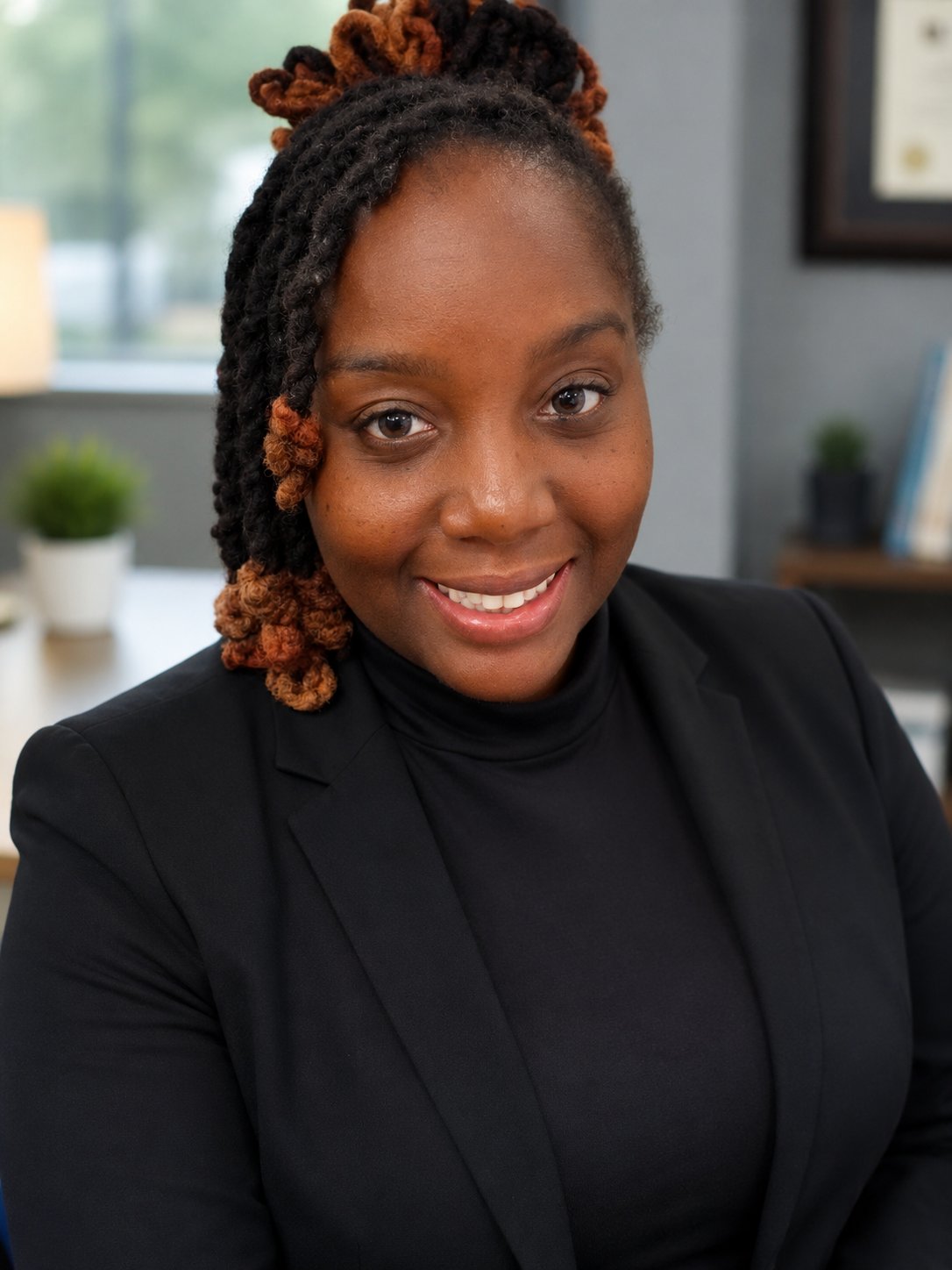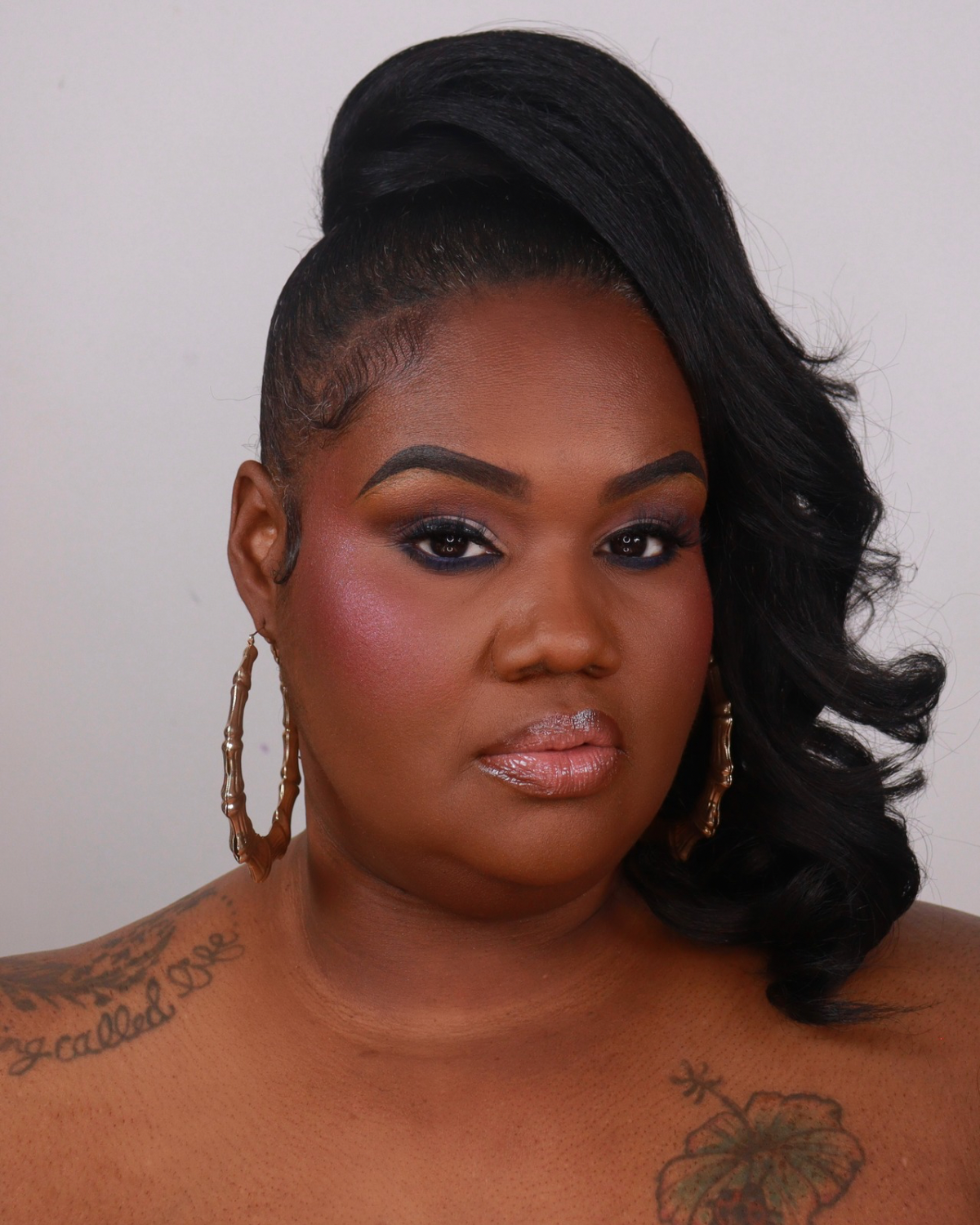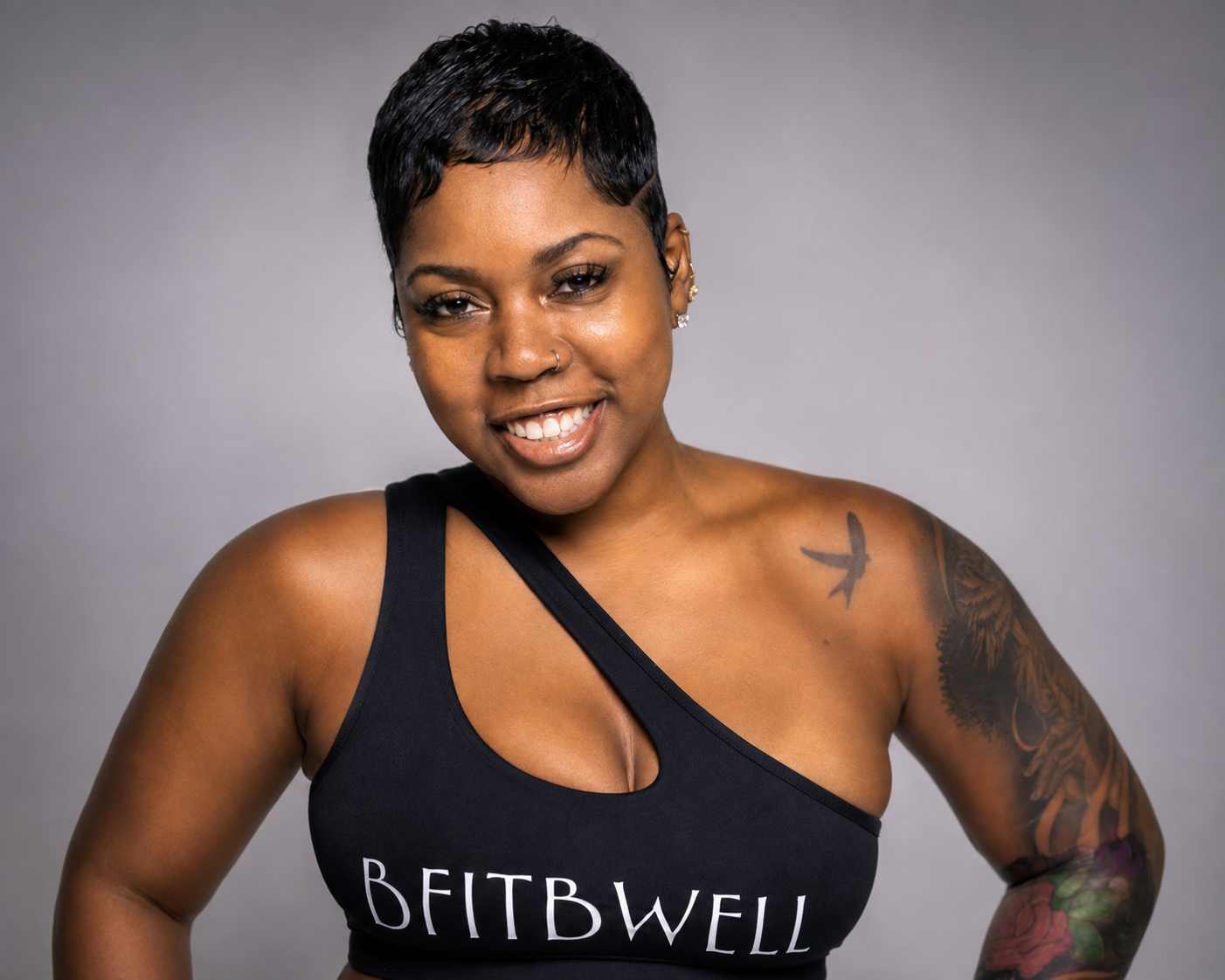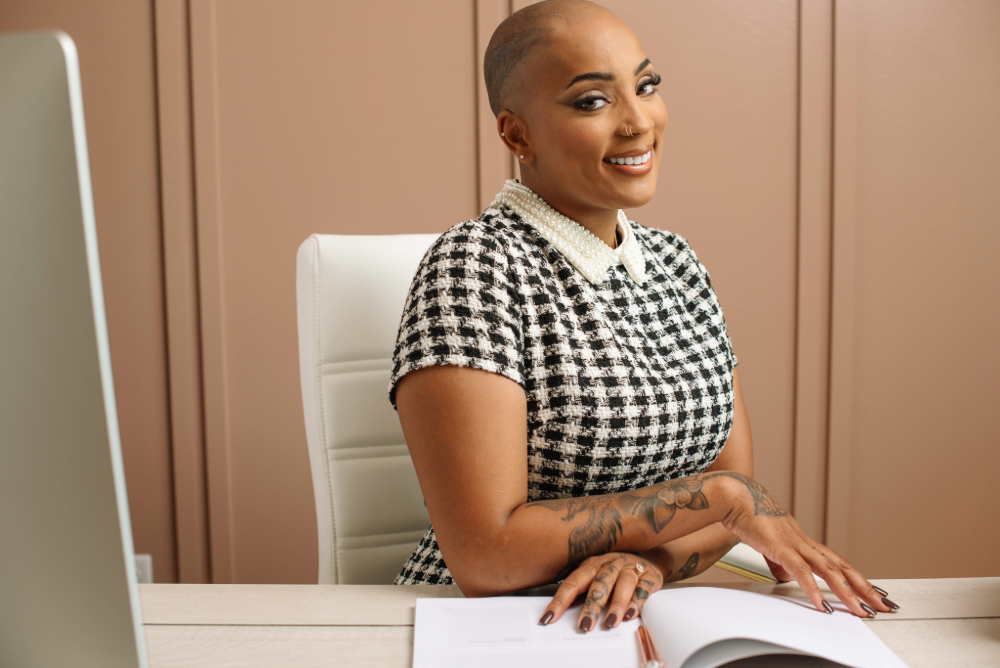
At the intersection of pain and purpose stands NiaRenee, MBA — a woman who refused to let survival be the end of her story. At just 32, she has endured six brain surgeries, lives with over 20 chronic illnesses, and still finds the strength to lead a national movement rooted in healing, empowerment, and truth-telling. As the founder of How To Love A Battered Woman, a certified relationship coach, and the author of The Intentional Dating Workbook, NiaRenee doesn’t just talk about transformation — she embodies it.
Crowned the 2025 Domestic Violence Advocate of the Year, her work boldly dismantles shame, challenges how media frames abuse, and dares women to reclaim themselves — body, mind, and soul. With grace sharpened by grit, NiaRenee is more than a survivor. She’s a blueprint for what it means to rise, rebuild, and roar louder than the trauma that tried to silence you.
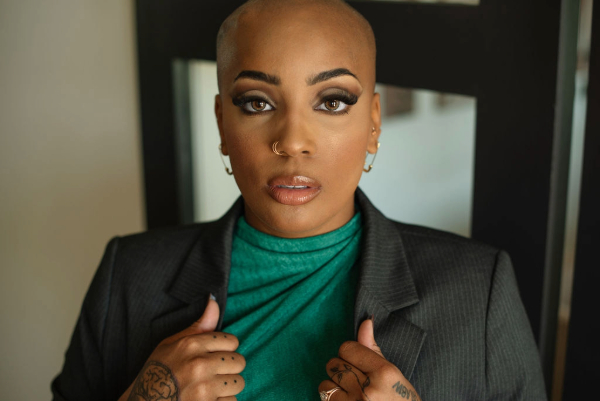
Can you take us back to the moment when you knew your pain had a greater purpose — and that you wanted to help other women heal?
NiaRenee: I was sitting on the floor of my closet, sobbing, surrounded by fragments of who I used to be. I had just left an abusive relationship and was physically broken, emotionally hollow, and mentally drained. But in that silence, I felt something stir. A question came to me: What if everything I’ve endured wasn’t in vain? That was the moment I realized my pain had a pulse — and it was meant to beat louder than my shame. I knew I wasn’t the only one feeling lost, confused, and isolated after abuse. I didn’t just want to survive. I wanted to guide others through the darkness I had crawled out of.
What inspired you to create How To Love A Battered Woman, and what does that name mean to you personally?
NiaRenee: The name was born in the middle of my own chaos — when I was trying to teach a man how to love me without realizing he was the one wounding me. How To Love A Battered Woman started as a desperate plea, but it evolved into a radical reclamation. It’s not a guide for others to love us — it’s a journey of us learning how to love ourselves after being told we’re unworthy. It represents every woman who’s ever tried to be lovable in the eyes of someone who never deserved her in the first place.
You’ve been named Domestic Violence Advocate of the Year. What does that recognition symbolize in your journey as a survivor and leader?
NiaRenee: That honor isn’t just a title — it’s a testimony. It symbolizes every moment I thought my story didn’t matter. Every time I was silenced, gaslit, or dismissed. It’s a reflection of the women I fight for, the truth I refuse to water down, and the lives I hope to help change. Being named Advocate of the Year means I’ve turned wounds into weapons of purpose. It reminds me that I didn’t go through all of that just to whisper.
How has your work as a certified relationship coach influenced the way you advocate for survivors of abuse?
NiaRenee: It’s given me the tools to not just speak to survivors — but walk with them. As a coach, I help women not only understand what they’ve been through, but also who they are underneath it all. I teach them how to rebuild trust in themselves, how to date again with discernment, and how to define love on their own terms. My coaching blends emotional healing with strategy. I don’t believe in just surviving abuse. I believe in transforming afterward.

You’ve survived six brain surgeries and live with over 20 chronic illnesses. What keeps you going mentally, emotionally, and spiritually?
NiaRenee: Radical self-trust. I’ve learned to trust that my body, even when broken, is still worthy. That my mind, even when foggy or exhausted, still carries wisdom. I lean on my faith, my community, and my mission. Some days I don’t feel strong — and I let that be okay. I’ve learned that my softness is also a source of power. I keep going because I know there’s someone watching me who hasn’t taken their first step yet.
What do you wish the media would do differently when covering stories of domestic abuse — especially in high-profile cases?
NiaRenee: I wish they’d stop focusing on the victim’s choices and start highlighting the abuser’s behavior. The media often asks, “Why didn’t she leave?” instead of “Why did he abuse?” There’s a lack of nuance, especially when survivors are public figures — we forget they’re still human. I want the media to tell the whole story, not just the scandal. Survivors need empathy, not entertainment.
How did you rebuild your confidence and sense of self after enduring so much trauma?
NiaRenee: I stopped waiting for validation and started defining myself on my own terms. Confidence didn’t come from looking good or achieving success — it came from honoring my voice, protecting my peace, and choosing myself over and over again. I did the internal work: therapy, coaching, writing, forgiving myself, and creating boundaries. Confidence came back when I remembered I was never broken — just buried.
What legacy are you hoping to leave for the next generation of women who’ve been silenced, sick, or stuck?
NiaRenee: That healing is not just possible — it’s your birthright. I want women to know they are not what happened to them. They are not too much, too broken, or too late. My legacy is about teaching women how to fall in love with their inner voice again. I want to be remembered not just for what I survived — but for how many doors I helped others walk through because I refused to shut mine.
What’s your advice for someone who feels stuck in a cycle of toxic love but doesn’t know how to leave?
NiaRenee: You don’t have to have it all figured out to take your first step. Start by getting quiet enough to hear your inner voice — the one that’s been whispering, “You deserve more.” Connect with someone safe. Get support. Stop judging yourself for what you tolerated — and start preparing for what you deserve. You may not feel ready — but freedom rarely comes when we’re ready. It comes when we’re done.
Connect on Instagram @howtoloveabatteredwoman
Read more SwagHer Spotlights