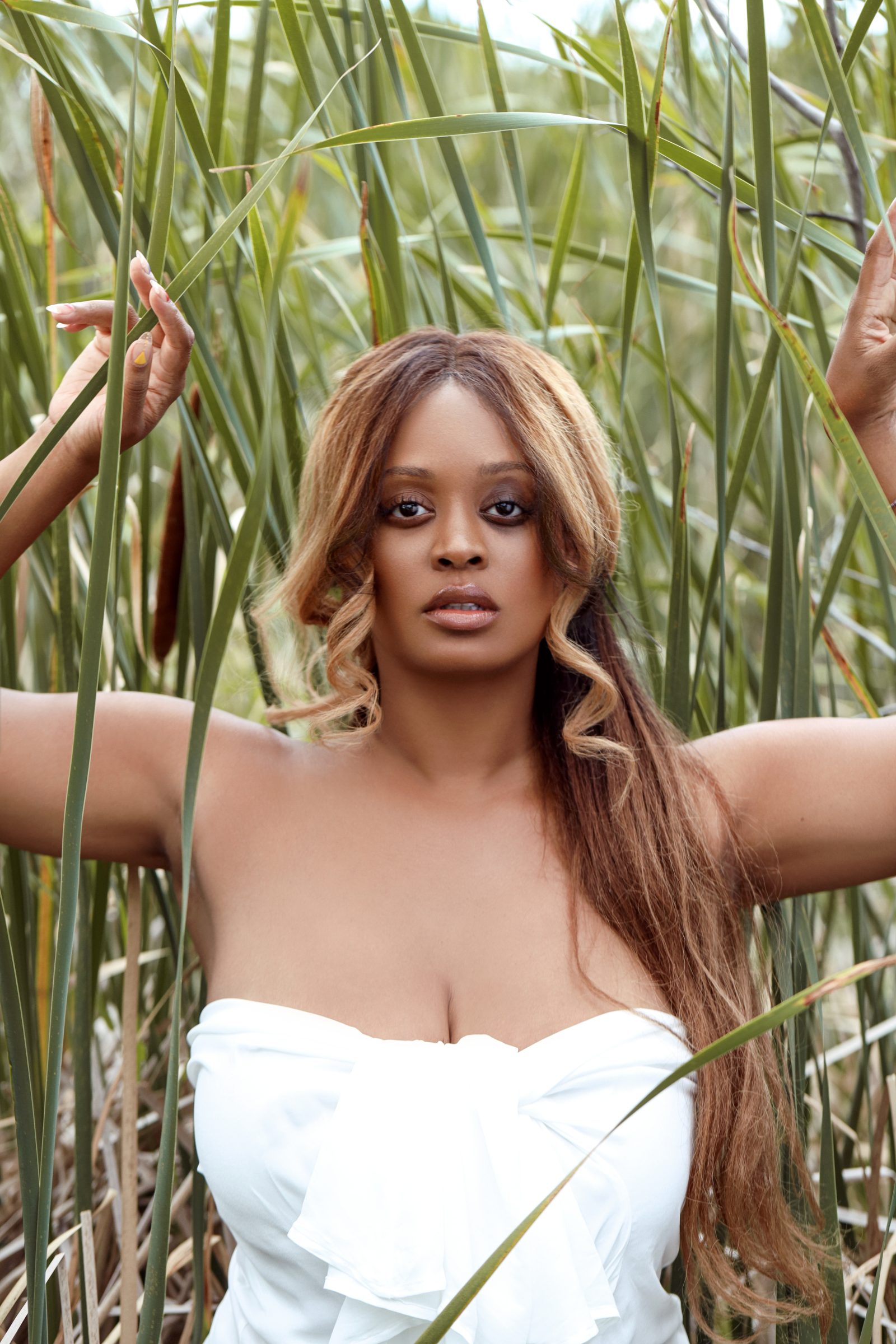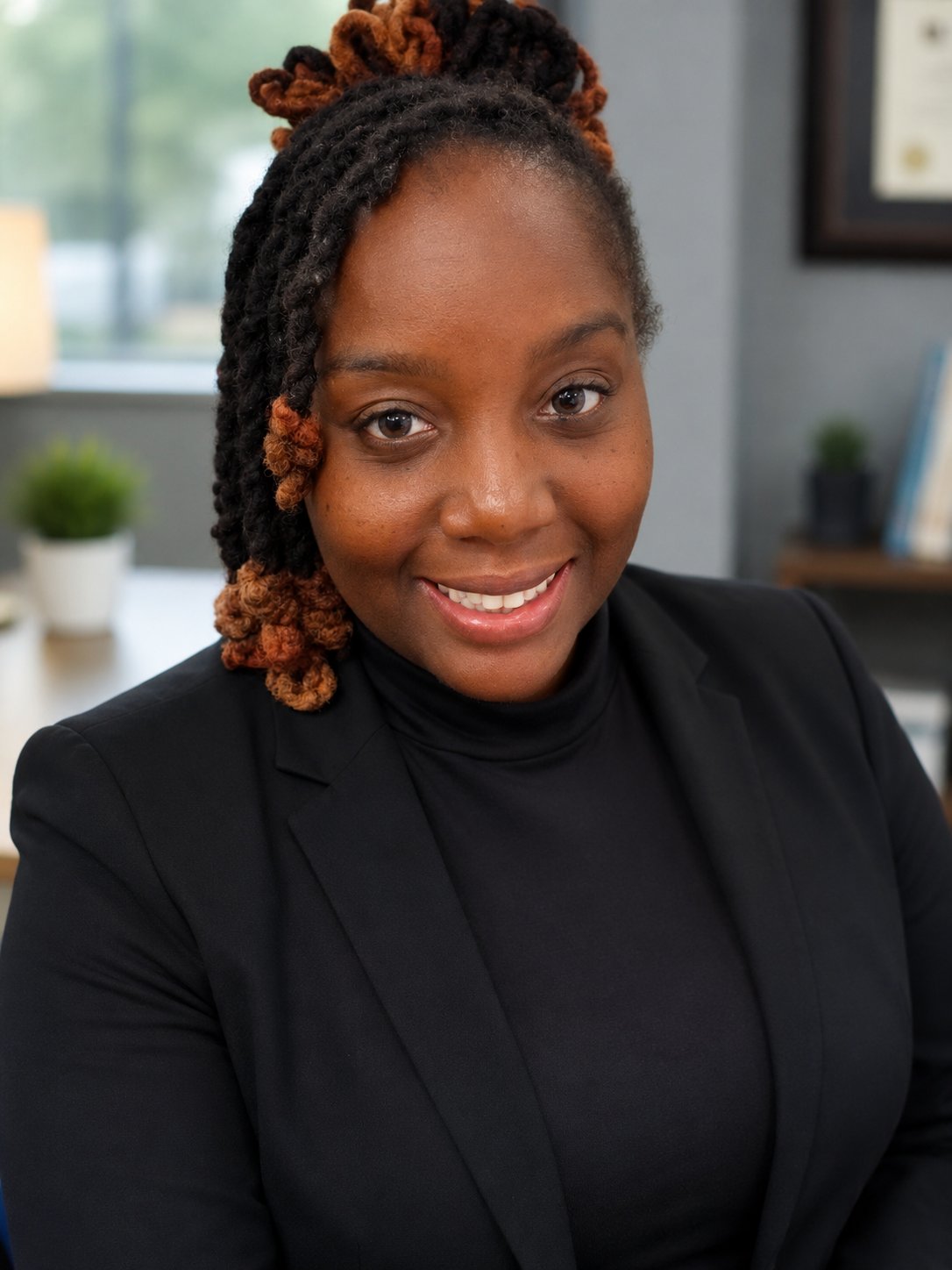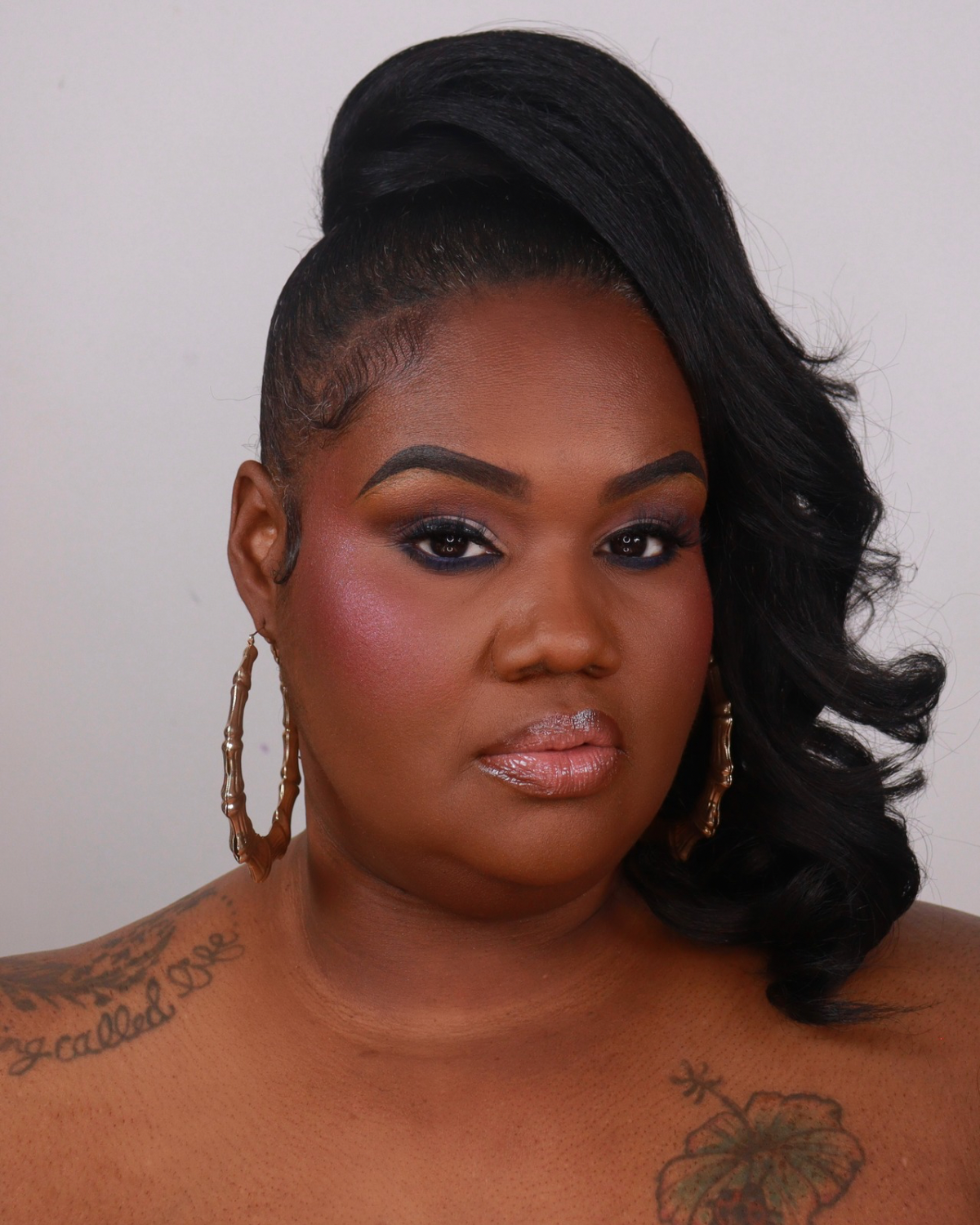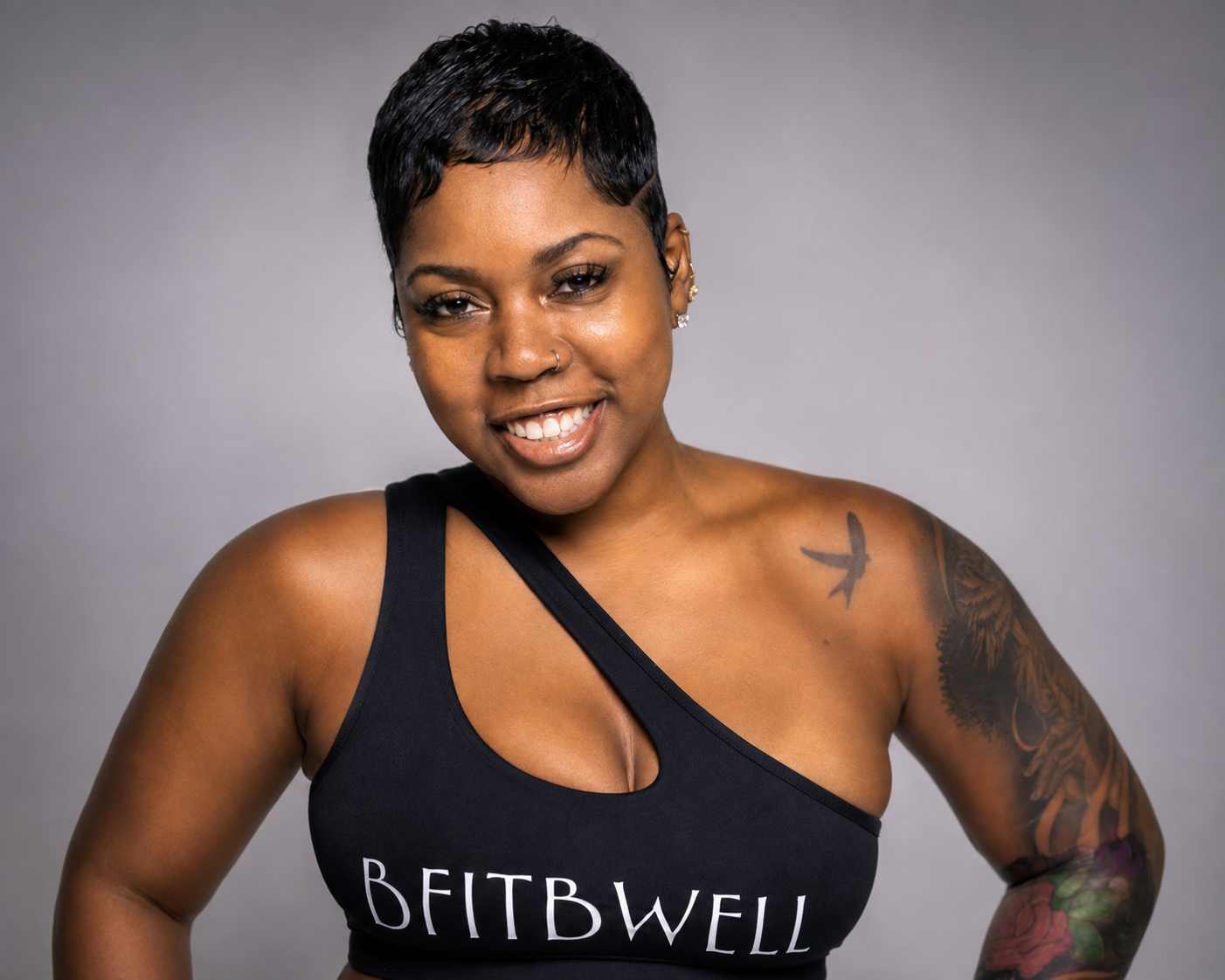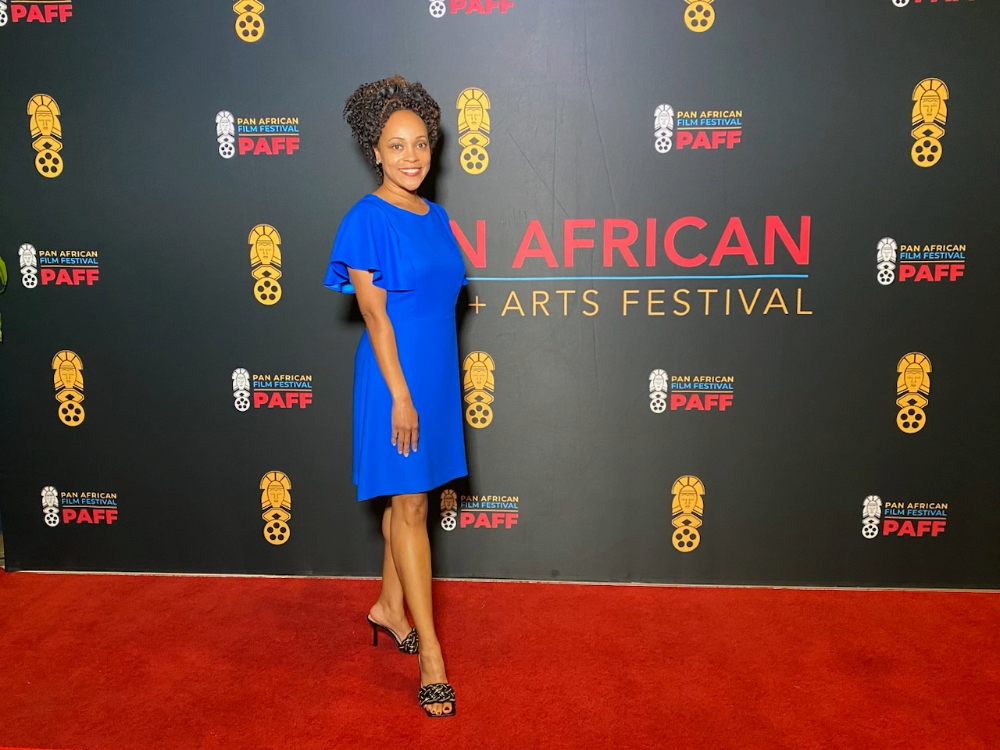
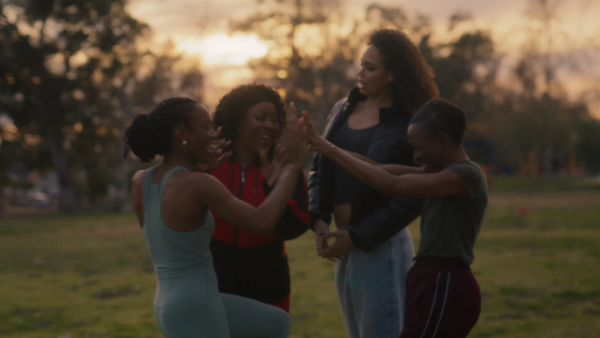
Not Every Woman isn’t just another character-driven drama, it’s a bold, layered, intimate, empowering, thought-provoking, fun, and sharply funny reflection of Black womanhood crafted with honesty by writer-director Dara Frazier. The film follows four women whose laughter, fears, joys, and private conversations echo the ones so many of us have behind closed doors. Parenting pressures, strained family ties, toxic relationships, career pivots, health, spirituality, mental health, and the exhaustion of always being “on”. Frazier brings it all forward with a tenderness and courage rarely seen on screen.
As I watched, I found myself returning to one truth at the heart of the film: we are deserving, and we are enough. The cast carries that message with depth and humor, delivering moments that are both gut-punch real and laugh-out-loud familiar. The film captures the rhythm, bite, and brilliance of our everyday conversations.
With Not Every Woman, Frazier gives Black women permission to burn the invisible cape, choose ourselves, and sit in the fullness of who we are, without apology and without carrying the world on our backs.
SwagHer Magazine celebrates powerful Black women like yourself for their purpose. How does Not Every Woman reflect your own journey as a Black woman navigating the film industry?
Dara: Hollywood is a microcosm of America as a whole. I distinctly remember in the wake of George Floyd’s murder how there was a push for inclusion and diversity. And now it seems as if the pendulum has swung back hard and I’m bracing myself for the remake of the 1915 “Birth of Nation.” But no matter what the decision makers deem to be “marketable”, I still must follow my heart and tell the stories I care about. I hope that Black women in the entertainment industry and across all industries do the same. Even when it’s not in vogue, being true to yourself is always worth it.
The film highlights intimate, honest conversations among Black women. Why was it important for you to give voice to these private moments?
Dara: I felt it was important to be real and honest and not water anything down. This moment calls for that. And people of other communities that have watched the film have shared that they have a more thorough understanding of our plight.
Your film is described as a love letter to Black women. What message do you hope Black women — specifically — receive from this story?
Dara: When I saw a report about 300,000 Black women leaving the workforce recently, I wanted to throw my phone because I knew that they didn’t “leave”, but were pushed out or laid off. The narratives around us need to be reframed on so many levels and I hope this film contributes to that. I hope Black women will watch this film and understand in the words of one of the characters that we are more than enough.
As a filmmaker and businesswoman, how do you balance creativity, leadership, and entrepreneurship through 1642 Productions?
Dara: The business usually has my attention 7 days a week, whether it’s writing, directing, producing or promoting. But it is more than just a company, it is an opportunity to do what I love and tell layered and meaningful stories from our community. I take it seriously but I still believe it’s important to have fun and most of all enjoy the journey. I don’t always know if something is going to work out but if you get too fixated on an outcome you can’t fully be in the present.
What do you believe is missing in mainstream depictions of Black womanhood that you are intentionally correcting through your films?
Dara: In many films when I was growing up and even today, the roles for dark-skinned Black women fall into a handful of categories: (Mammy, Jezebel or Best-friend/Sidekick.) One of my grandmothers was a brilliant and gorgeous woman with a deep cocoa complexion. Men adored her and she was nobody’s doormat. She spoke her mind freely and walked with more the confidence of a fifth generation queen. This is just one example. Also, I grew up in a Detroit neighborhood that would be easily labeled as “the hood” but there was such a sense of community that I am forever shaped by the wisdom of returning citizens and people who fell into the street life. Hollywood doesn’t typically show these things and I used to get frustrated but now I feel that’s okay, I’ll do it!
Your career includes everything from screenwriting to directing and producing. Which role feels most natural to you, and which challenges you the most?
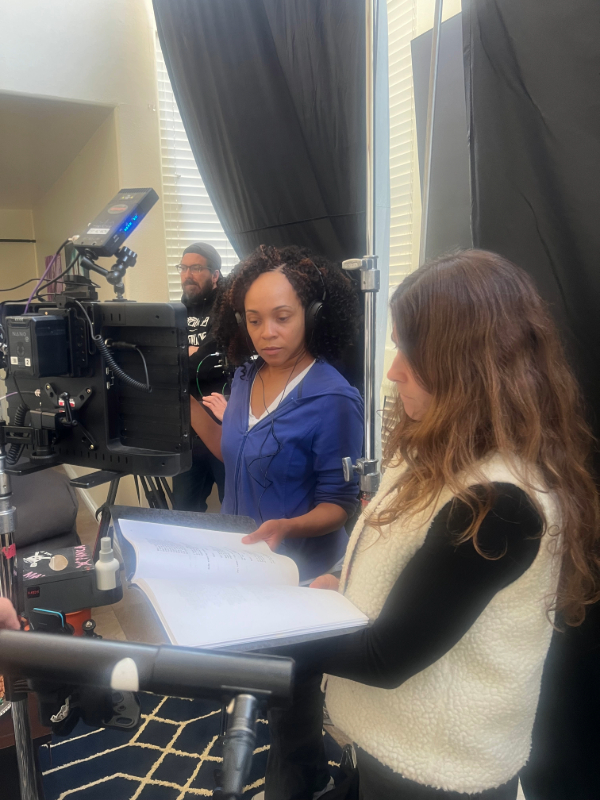
Dara: I am a writer first. I love directing and producing my own projects most of all but I am starting to break away from these individual labels. I am a filmmaker and storyteller. I consider myself a modern griot. The most challenging thing is producing because that involves financing, budgeting, logistics and a lot of paperwork which is mind-numbing but important.
What cultural conversations do you feel Not Every Woman contributes to, especially in today’s social climate?
Dara: I think that the film is an embodiment of Congresswoman Maxine Waters declaring that she was reclaiming her time. I’ve read and watched so many opinion pieces and Black women and social media commentary from others that I wanted these characters in “Not Every Woman” to clap back. We are the most educated and civically engaged group in this country but you would never know that based on how we are often mistreated. It’s time to change that.
Your production company, 1642 Productions, focuses on underrepresented voices. What impact do you hope to make in the next few years?
Dara: In five years I hope to have several more films produced and hopefully a series or two. I don’t want to say that I want to give voice to the “voiceless” because people who are classified as “voiceless” are never silent, it’s just a matter of who decides to listen. If more people listen because of the studio then I have accomplished something much bigger than myself as an individual creative.
What advice would you give to aspiring Black women filmmakers who want to elevate their voices in Hollywood?
Dara: Be true to your own voice and understand that it hurts to hear “no” sometimes but it might be an undisguised blessing. Notice I didn’t say a blessing in disguise because I found out the hard way that some “yeses” are more trouble than they’re worth. If you want to get into industry, start wherever you are, doing whatever you can, whether it’s a short film or a YouTube channel, it’s important to actually make things and not just talk about making things. Prepare for failure and also prepare for success. Get used to sitting in traffic! Find your tribe and never stop creating.
More About Not Every Woman
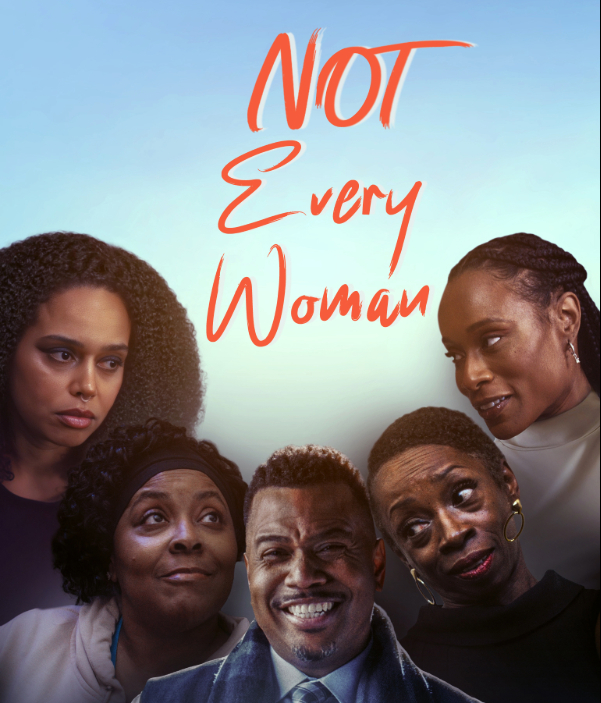
Now streaming on Amazon Prime and Apple TV, Not Every Woman brings Frazier’s storytelling to a worldwide audience through Filmhub’s global distribution platform. The film stars Omar Gooding, Lodric Collins, Erika Degraff, Georgina Elizabeth Okon, Shannon Echols, and Jean Cecile Nadine — an ensemble that brings emotional richness to every scene.
Through her company, 1642 Productions, Frazier remains committed to championing underrepresented voices and telling stories that shift narratives around Black women’s lives.
Connect with the filmmaker: https://darawrites.com/
Read more SwagHer Spotlights