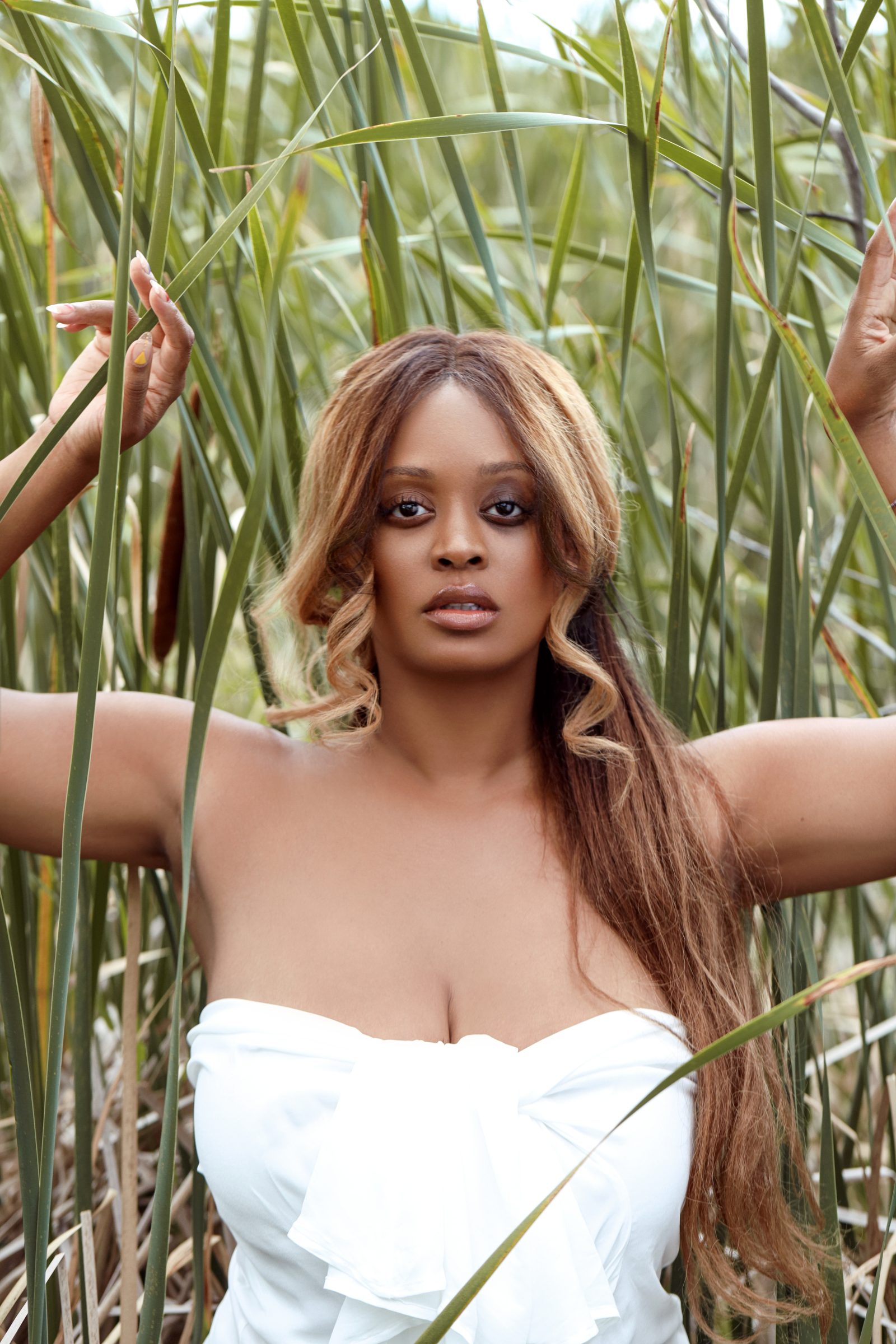
The headline read, “Oprah Says Life Starts at 44!” The quote came from a conversation between Oprah Winfrey and Keke Palmer on Keke’s podcast, Baby, This Is Keke Palmer. I gagged, not because I disagreed, but because the idea felt so familiar.
Around that same time, one of my schoolmates posed a question: Did you always know who you were? She shared that she had only recently found herself and realized she was That Girl. My first response was, “I knew I was that girl; I just didn’t walk in it.” Too many people had told me I was too much, so many times, I dimmed my light to fit in.
After a conversation with Fancy, SwagHer’s founder and editor-in-chief, I knew I wanted to explore this idea of finding yourself after 40 more deeply. Capacity got the best of me and caused a few delays, but as Mystikal once said, “Here I go!”
Finding Yourself After 40: When the Light Comes On
Ladies, as Betty Wright would say, “Think back!” Not to your first time, but to when you turned 40. Some of us may have to think a little further back than others. Was there a sense of self-awareness that had not been there before? Do you believe you finally grew into your own when 40 hit?
I remember a conversation with my good friend Suzzen. She told me that when she turned 40, she became unapologetic. At the time, I told her I was already there. She said, “No, friend. You really become unapologetic when you turn 40.” Dear Reader, I did not believe her until I turned 40 myself.
It was almost as if a light bulb came on, and I truly began walking in who I had always known myself to be. My issue had never been a lack of identity. It was people’s perception of me. I had heard it all: She just wants to be seen. She talks too much. She is too loud. Meanwhile, I was only being myself and showing up as the woman I knew I was.
Being a woman does not come with a handbook, so I sometimes became awkward while trying to balance who I was with who people seemed to want me to be. The people around me may not have noticed. In fact, people often said they admired my confidence. Still, I would walk around with hurt feelings when I was not invited to a party or event, or when I was not asked to speak on a topic. You know, because apparently I always wanted to be the center of attention and all.
I would not say I was miserable. I was simply awkward, misunderstood, and too aware of whether other people approved of me. Something about turning 40 made me care less about their opinions. That freedom is hard to explain until you feel it. Now, I do not care if I am not invited. I have people around me who want me there, uplift me, and even encourage my shenanigans. I walk in a bolder authority. In my heart, I had already begun doing these things, but after 40, they became more pronounced.
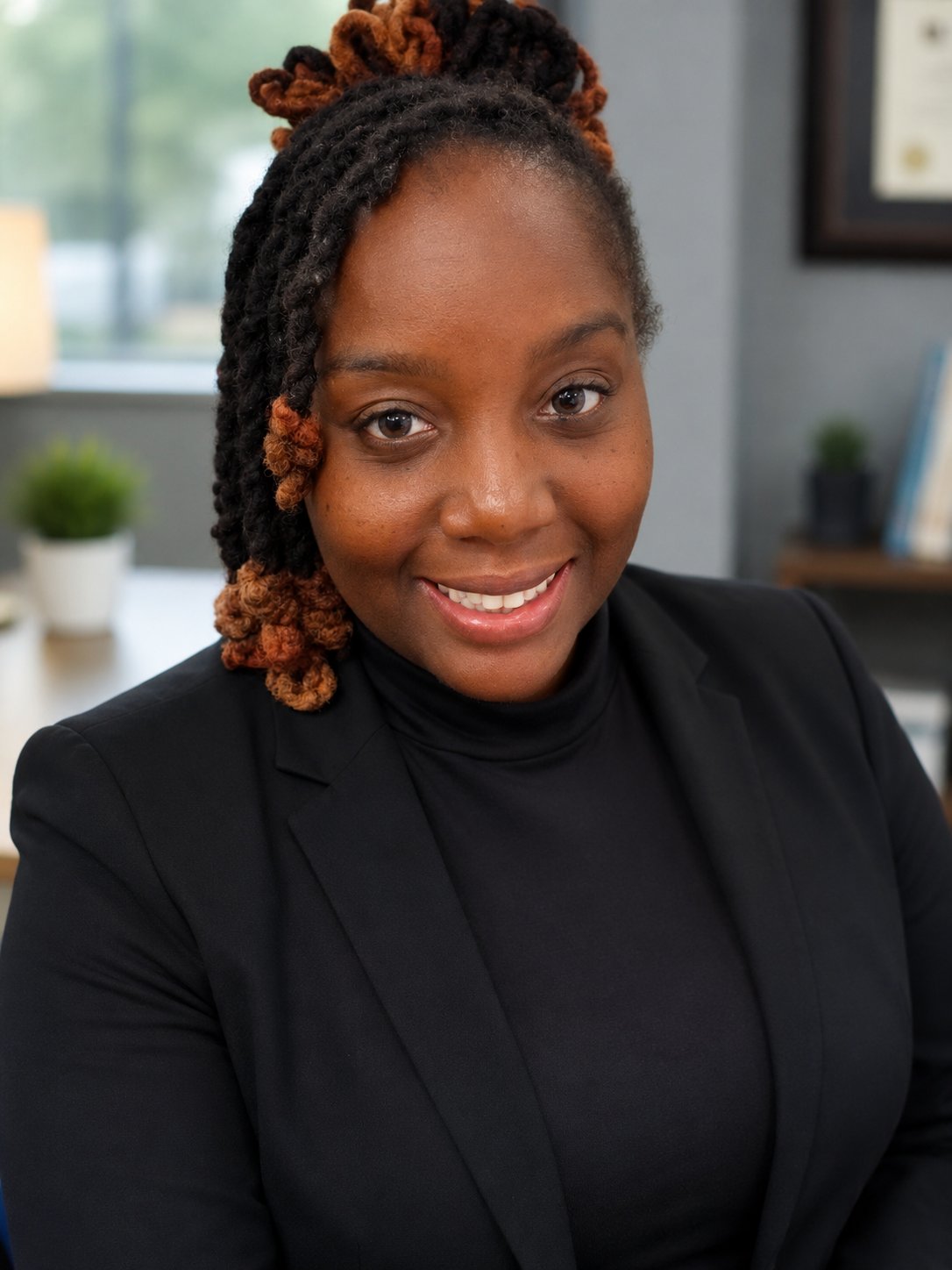
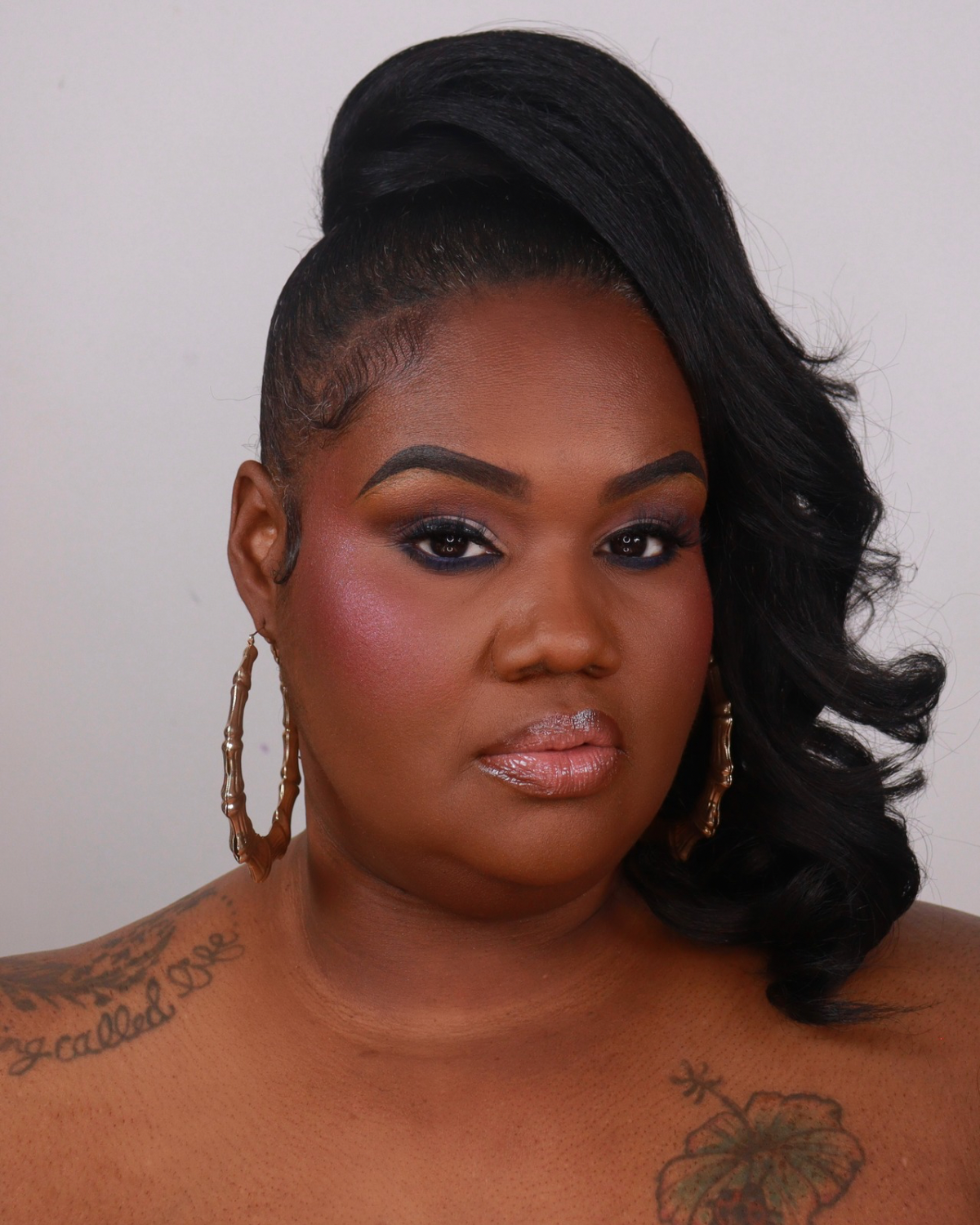
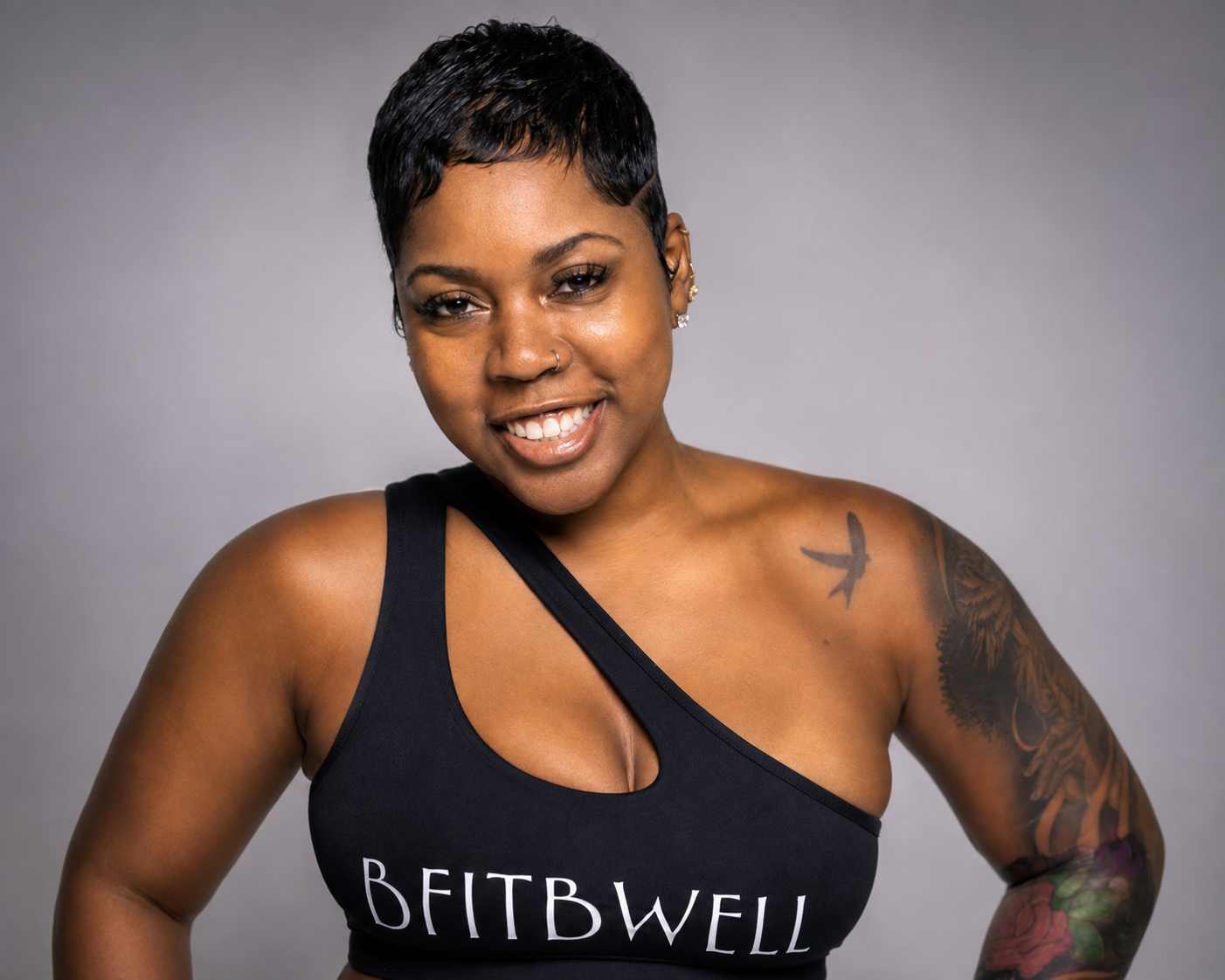
Still, I did not want to base this conversation on my experience alone. Finding yourself after 40 can look different for every woman, so I spoke with three women from different walks of life to learn whether they had felt a similar shift—and what becoming more fully themselves looked like for each of them.
Ashley: Becoming Her Own Standard
I first reached out to Ashley Gamble, my schoolmate and the woman whose post started this entire conversation in my head.
Me: As you own who you are now at 40, when did you notice the shift? Do you really believe you did not know who you were, or could it be that you grew into the woman you worked hard to become?
Ashley: I noticed the shift a few years ago, maybe at 40. I love to put clothes on. I love scents, my hair, and my nails. I did not think I knew my own style or fashion sense. I always needed approval—somebody else’s okay. Then I stopped asking. I started trusting myself because I liked what I put on, and people began asking me about my pieces. The compliments flooded in. I may still ask for an opinion, but I know I’ve got it. My weight has always fluctuated, but it has never stopped anything. I started believing and knowing, “I’M DAT BITC…GIRL!”
Before that, I always doubted myself. I hated the sound of my voice. My butt was too big. My face was marked up, and I needed to stop picking at it. I realized I did not even like myself. I was never comfortable with myself until I realized that fashionable, all-around admired girl was me. I am what I had always sought after. No, I am not vain. I am simply happy that I realized I am who I wanted to be.
Me: Do you think women go through a midlife crisis at 40? Is that why some women feel they did not know or fully own who they were in their 20s and 30s?
Ashley: I don’t know. I just feel like every day is a new one. We have never done today before. You face what you face, and you can only look back over a collection of experiences. Those experiences shape you and make you who you are, day after day. So, I don’t know. Time tells everything.
Ashley’s honesty and transparency made me reflect. Did I truly like the woman I saw in the mirror, or had I simply learned to go along with the positive opinions of others? Was I uncomfortable with myself, or was I uncomfortable because I sensed that other people were uncomfortable with me? Her words reminded me that self-confidence is different from self-acceptance. Sometimes we can perform confidence long before we genuinely feel at home within ourselves.
Jessica: Boundaries as a Return to Self
Next, I spoke with Jessica Ellis-Bulgin, LPCC, a professional clinical counselor, transformation coach, speaker, and motivated leader who is passionate about serving the community through mental health and addiction work. I reached out after seeing an Instagram post in which she shared boundaries women over 40 should have. The list piqued my interest because it raised another question: Why do boundaries seem to become so important at this stage of life?
Me: I came across your post about boundaries women over 40 should have. Why did you specifically say women over 40? Shouldn’t women of all ages have these boundaries? What changes at 40?
Jessica: Women of all ages should absolutely have healthy boundaries. The difference is that by 40, many women have experienced enough life to understand what happens when they don’t.
Jessica: By this age, many of us have spent years being daughters, partners, mothers, caregivers, leaders, and professionals. We’ve carried responsibilities, poured into others, and often put our own needs at the bottom of the list. Somewhere along the way, we learn that constantly saying yes can be costly.
Jessica: I don’t think 40 changes the need for boundaries. I think it changes our willingness to enforce them. For many women, there comes a point when we realize that protecting our peace is not selfish; it is necessary. We become less interested in proving ourselves and more interested in preserving ourselves. We stop feeling obligated to attend every argument, rescue every person, or remain in spaces that require us to betray who we are.
Jessica: As a therapist and as a woman over 40, I’ve seen that boundaries become less about keeping people out and more about honoring yourself enough to stop abandoning yourself. That’s the shift.
Me: Do you believe women do not find who they truly are until 40, or is 40 simply the age when women begin walking more confidently in who they have grown to be?
Jessica: I don’t believe women magically find themselves at 40. I believe many women stop abandoning themselves around 40.
Jessica: Who we are is shaped throughout our entire lives. Every experience, success, disappointment, and lesson contributes to that journey. But by the time many women reach 40, they have lived enough life to know what matters and what doesn’t. There is often a confidence that comes from surviving things you never thought you would survive: heartbreak, loss, career changes, motherhood, trauma, reinvention, and healing.
Jessica: The confidence that comes with 40 is not because we have figured everything out. It is because we have learned to trust ourselves. As a therapist, I see many women spend decades becoming who everyone else needs them to be. Around 40, something begins to shift. They start asking different questions—not, “How do I make everyone else happy?” but, “Who am I when I stop performing for everyone else’s approval?”
Jessica: For many women, 40 is not about finding themselves. It is about returning to themselves. It is about reclaiming the parts of themselves that got buried beneath expectations, responsibilities, survival, and the opinions of others. There is freedom in that, and I think that is what so many women are experiencing when they say they feel more confident in their 40s than they ever did before.
Jessica put language to thoughts I had been carrying for years. I no longer force myself to remain in spaces where I am uncomfortable. That does not mean I have an issue with the people in those spaces; it simply means I cannot be in them without abandoning myself. I honor my no. If I am not mentally prepared for a situation, I do not walk into it. Her words about reclaiming the parts of ourselves buried beneath expectations, responsibilities, survival, and other people’s opinions sat especially heavy with me—in the best way.
Obsession: Accountability, Healing, and Stronger Boundaries
Lastly, I wanted a journalistic point of view, which led me to fellow journalist Obsession. She is also an award-winning poet, published author, early childhood educator, and mental health professional who believes creativity has the power to heal, inspire, and connect.
Me: What changed for you at 40?
Obsession: Boundaries. I didn’t have many. The ones I did have were weak and inconsistent. In your 40s, you realize putting yourself on the back burner is self-harm, so your boundaries expand and become damn near unbreakable.
Me: What do you think of your years before 40?
Obsession: Unhealed. A lot of external blaming and not enough accountability. I was a walking wound. I rested in my trauma. I did not open my eyes and begin working on my inner child until I was 39 or 40, and honestly, that’s a damn shame.
Me: When you were in your 20s, did you look at 40 as old?
Obsession: No. I don’t even consider 80 old. Anything under a century is young to me.
Me: Were you open to correction from someone in their 40s, or did you see older women as competition?
Obsession: I was open to correction from individuals with good spirits. Age did not matter.
Like Obsession, I found that greater accountability came with 40. Before then, my boundaries were often pushed, and I did not reinforce them. I wanted people to like me. In many cases, if I loved someone, I went along with what they said or did—even when it hurt me. Turning 40 did not erase that history, but it made it harder for me to keep ignoring the ways I participated in my own discomfort.
Forty Is Not the Finish Line
Three women. Three different perspectives on life after 40. Yet one truth connected every conversation: the shift is not about having all the answers. It is about trusting yourself, honoring yourself, and taking responsibility for the life you want to live.
I have now made it into my mid-40s with a 3-year-old son. I often tell people I love this for him because he gets the whole me. I was not this woman in my 20s or 30s. I am more honest, more accountable, and more willing to protect the woman I worked so hard to become. My prayer is that my son learns to live as his whole self long before 40.
Dear Reader, if you are over 40, I hope this felt relatable. I hope you saw yourself somewhere on these pages and were reminded that you are not alone, sis. You leveled up. Not because a birthday magically changed you, but because life taught you to stop shrinking, stop performing, and stop abandoning yourself.
And to my girls who have not reached 40 yet, there is no rush. Live, learn, heal, and grow at your own pace. But when you arrive, remember this conversation. Remember that it is okay to be different. It is okay to have boundaries. It is okay to be seen. Most importantly, it is okay to be unapologetic about who you are.
Thank you to Ashley, Jessica, and Obsession for sharing their truths and adding their voices to this conversation.
Jessica Ellis-Bulgin, LPCC, can be found on Instagram under her name. Obsession can be found at @AuthorObsession.
Our website is currently experiencing some formatting issues, and we’re working on updates. We appreciate your patience. Thank you.