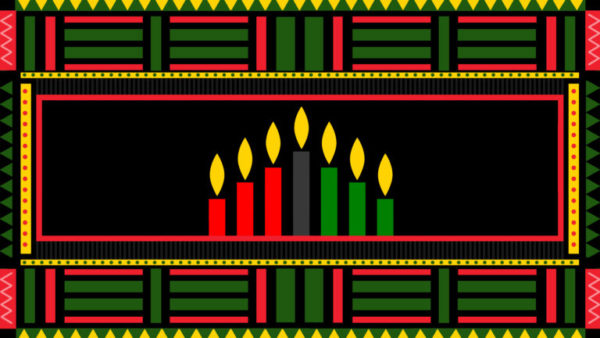
Kwanzaa’s name derives from the phrase “matunda ya Kwanza,†which means “first fruits†in Swahili. This African culture holiday is from December 26th to January 1st and was created by American Professor Dr. Maulana Karenga in 1966. Anyone who wishes to celebrate this holiday can celebrate in their way. Celebrations include songs and dances, African drums, storytelling, poetry reading, and an enormous traditional meal. One of the seven nights, the family gathers, and a child lights one of the candles on the kinara (candleholder); then, a discussion about one of the seven principles takes place. These principles are called Nguzo Saba (seven principles in Swahili).
They are values of African culture, contributing to the building and reinforcing the African Americans’ community. Kwanzaa has seven basic symbols that represent the values and concepts of African culture. An African feast called a karamu is held on December 31st. Below are the seven principles:
- Unity: Umoja
- Self-determination: Kujichagulia
- Collective Work and Responsibility: Ujima
- Purpose: Nia
- Creativity: Kuumba
- Faith: Imani
- Cooperative Economics: Ujamaa
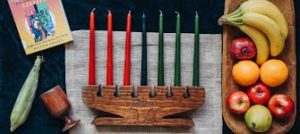 The traditional food for Kwanzaa is a combo of sub-Saharan African soul food and coastal dishes. The table is decorated with symbolic foods such as the mazao (fruits and vegetables) and muhindi, which are the ears of corn to represent each child living. The menu can range depending on family traditions from classic African American soul food. So wouldn’t fried chicken be nice on the table as well? The feast’s focal point is a one-pot stew or braises from traditions like Ghanaian Groundnut Stew, West Indian or South African curry, Philadelphia Pepper Pot Stew, Jambalaya, and Nigerian Jollof Rice.Â
Many people may ask what they should wear for the whole week of Kwanzaa. A lot of people celebrate by decorating their home in African art as well as Kwanzaa colors such as green, black, and red. Traditional African clothing can be a colorful wrap for women called a Kaftan, and for men, a colorful dashiki and a hat called a kufi.Â
 About Patrice Rivers: Patrice Rivers is a 9x published author, freelance writer, certified journalist, and owner of That RiverzGurlBrand. Learn more by visiting www.thatriverzgurlbrandllc.com or @thatriverzgurlbrandllc on Instagram.