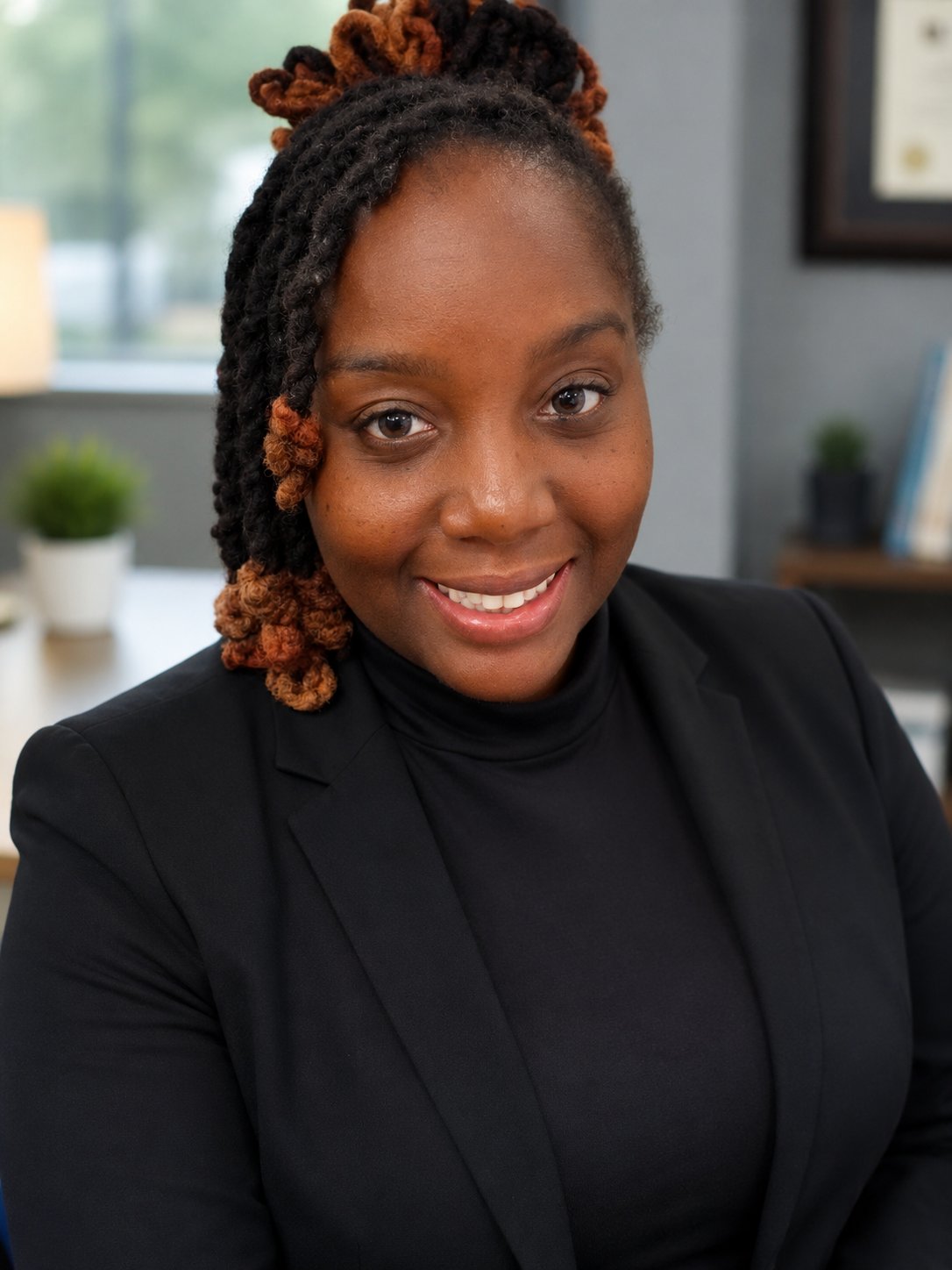
Dr. Bridgette Y. Williams, affectionately known as Dr. Bridgette, is a powerful example of what it looks like to rise above adversity and walk boldly in purpose. From a childhood marked by trauma, dyslexia, and bullying to becoming a respected counselor, author, and advocate, her story is one of faith, resilience, and divine transformation.
Today, Dr. Bridgette channels her experiences into service through Angelo Recovery and Counseling Services in Fredericksburg, Virginia—a center she founded to honor her late brother, Angelo. Guided by honesty, insight, and motivation, she helps individuals break cycles of addiction and rediscover hope. Beyond her work in recovery, Dr. Bridgette is a tireless advocate for widows through her “No Widow Left Behind” initiative, a changemaker influencing state legislation, and an author whose books offer comfort and healing to those navigating loss.
In this moving conversation, Dr. Bridgette shares how her faith sustains her, what she’s learned from her journey of grief and purpose, and how she continues to use her voice to remind others that even after life’s hardest seasons, healing—and hope—are still possible.
Early Life & Resilience
Fancy: Dr. Bridgette, your story begins with overcoming childhood trauma, a learning disability, and bullying. Looking back, what inner strength or moment pushed you to keep going despite those obstacles?
Dr. Bridgette: I believed in myself, my abilities, and my religious ideals. I did not have encouraging people among my family and friends, but I found a few people who took an interest in wanting to help me. One woman, Ms. Lee, who was a school social worker, was the first person who ever showed an interest in me and made me feel loved. I believe in divine intervention, but I also realize that you must help yourself. Nobody will do your work for you. I learned to rely on myself, and if somebody came into my life who was willing and able to help me, I accepted that help.
Fancy: Many people would have stopped after facing the kind of setbacks you endured as a teen. What made you return to finish your education, and how did that realization change the course of your life?
Dr. Bridgette: I knew that the major requirements to become a counselor would require hundreds of hours of study and working through multiple obstacles. My education, especially having a learning disability, was a series of hurdles, which both wore me out and made me stronger. Almost daily, I work with people who have had hard lives. I have been there. I know how to help these clients because I have been forced through circumstances to help myself, which makes me better able to help others.
Journey Into Counseling & Purpose
Fancy: You were inspired to pursue a career in counseling after your brother’s passing. How did his life and legacy shape the way you show up for others today?
Dr. Bridgette: Angelo was my protector in school, and we shared great times together. As much as I wanted to save his life, I couldn’t. Whenever I’m working with a client and helping them to get sober, I see this as being Angelo’s success in becoming sober. My work is a gift to his legacy, every day, and I make sure that every client at Angelo Recovery Center is treated with love, compassion, and non-judgment through their journey toward recovery.
Fancy: You’ve achieved multiple degrees, certifications, and leadership roles. What do you believe makes your approach to mental health and addiction recovery stand out from traditional methods?
Dr. Bridgette: I treat people as I would like to be treated. At my center, we have a philosophy that I adopted from a former colleague, who passed away in 2009, which he called honesty, insight, and motivation (HIM). When people can be honest with themselves, they are then (and only then) ready to start their recovery. HIM begins the process of lasting change and self-healing. Yes, traditional modalities work, but I think having a more expansive approach works better for people going through recovery from addiction or other mental health issues.
Building Angelo Recovery & Community Impact
Fancy: What vision did you have for the center when you started it, and how has that evolved over time?
Dr. Bridgette: I started Angelo Recovery Center as my contribution to my brother’s legacy. I felt guilty because I could not help Angelo help himself. Opening a center for recovery was a natural step toward dealing with that guilt and toward helping others. Recovery is a process, but we often make the process harder than it needs to be. Honesty with oneself is the cornerstone of recovery. As I obtained more and more certifications and degrees, it became easier to expand my services into other areas of counseling. My major speciality is EAP (Employee Assistance Program) services, which is considered to be short-term counseling within a few sessions. I also provide services for the military that include short-term services.
Fancy: After the loss of your husband, you turned your grief into advocacy through the “No Widow Left Behind” initiative. How did this initiative begin?
Dr. Bridgette: It began as a simple attempt to allow widows to keep their military license plates after the death of a military spouse. It evolved into allowing widows to retain other rights following a spouse’s death. The beginnings of this journey have led to the passage of three bills by the Virginia Legislature, and additional bills are in the works.

Fancy: Your books, The Shepherd’s Pie and Okay Honey, I’ll See You Tomorrow—Goodnight, are deeply personal. How did writing them help you in your own healing journey?
Dr. Bridgette: Relating my personal story has been a way to convey my deep personal feelings to others, and specifically to help widows understand that they are not alone and that life continues to move on. I have allowed myself to move on, and through writing these books, I hope I have been able to help other widows move on with their own lives.
Fancy: You’ve overcome so much and built a legacy rooted in service, faith, and advocacy. How would you describe your “SwagHer”?
Dr. Bridgette: I don’t particularly like the word “swagger,” because by definition that means aggressive and arrogant. I would like others to know me as a person who has used her life to be a living testimony to others.