RACIALIZED RATIONALES: RESPONDING TO THE DISPARATE IMPACT OF COVID-19 ON THE AFRICANAMERICAN COMMUNITY
METROMORPHOSIS HOSTED A VIRTUAL COMMUNITY FORUM FOCUSED ON EXAMINING THE DISPARATE IMPACT COVID-19 HAS HAD ON THE AFRICAN-AMERICAN COMMUNITY AND THE CONSEQUENCES OF THAT REALITY. THE FORUM WAS ATTENDED BY OVER 70 MEMBERS OF THE COMMUNITY AND A PANEL OF INFLUENTIAL THINKERS FROM ACROSS LOUISIANA AND THE SOUTH. FOLLOWING THE PANEL DISCUSSION, PARTICIPANTS WERE THEN DIVIDED INTO BREAKOUT GROUPS TO DISCUSS THE TOPIC IN MORE DETAIL AND BEGIN THE WORK OF FORMULATING STRATEGIES TO ADDRESS THIS DISPARATE IMPACT.
THIS REPORT OFFERS A SYNTHESIS OF BOTH THE PANEL DISCUSSION AND THE COMMENTS CAPTURED BY FACILITATORS IN THE 10 BREAKOUT GROUPS.
PANEL DISCUSSION
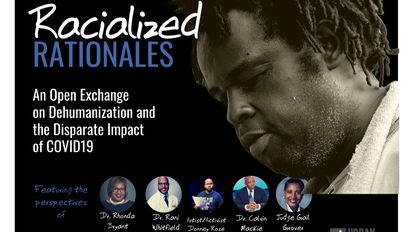
The panel was moderated by Raymond Jetson and featured Dr. Rhonda Bryant of the Moriah Group, Judge Gail Grover, Dr. Calvin Mackie, Poet & Activist Donney Rose, and Rani Whitfield, MD. The discussion was anchored by data from East Baton Rouge Parish which showed that over 65% of deaths from COVID-19 were in the black community even though
- AfricanAmericans make up just 45% of the population. The panelists pointed to three primary reasons for this disparate impact:
- African-Americans are more likely to be employed in low-wage jobs that have been deemed essential for the larger community to operate during this time. This has put the community at increased risk of exposure.
- African-Americans are more likely to live in apartment complexes where social distancing is more difficult to maintain. This has put the larger community at greater risk of spread of the disease. • African-Americans are more likely to have pre-existing health conditions placing them at greater risk of more severe symptoms when contracting the virus. This fact is underlined by data from MetroMorphosis’s Hair & Health initiative which has shown that nearly 90% of men having their blood pressure read at barber shops have hypertension. Following the elaboration on these explanatory factors on disparate impact panelists emphasized two additional points:
- There is a need for targeted outreach to educate members of the community on the disease and it is imperative that this information come from a trusted source. In the midst of so much misinformation people have struggled to know what to believe.
- Allowing the disparate impact to continue without targeted strategies for the black community would amount to perpetuating cycles of dehumanization where violence and neglect of the black community is tolerated by larger society.Â
BREAKOUT GROUPS
Over 70 participants were then broken out into 10 groups where trained facilitators led them through two questions and captured notes from the conversation. The questions and the most common themes from the discussion are described below.
Question 1: What would you need to see to feel that people of color were receiving the focused attention and concern they deserve through this time?
There were over 20 unique contributions to this question, but there was a strong consensus around 4 primary themes. They are ordered below according to their frequency in the conversations.
- Equitable access to testing and distribution of resources. This larger theme also connected to questions related to health insurance coverage and the waiving of fees for COVID-19 related expenses and the need to see resources like PPE being distributed in local community centers.
- Proactive support from schools for children’s education. These comments focused on access to learning opportunities as well as the need for computers, internet, and other resources to assist parents with their children’s education.
- Financial assistance. The need for direct financial assistance included both assistance with regaining lost jobs as well as direct financial assistance and a desire to relax food stamp spending regulations.
- Increased Awareness. A large number of people commented that they had not known about the facts regarding the disparate impact on the black community and that the people they are closest to did not know either. They further emphasized the importance of sharing this reality more broadly through trusted sources of information in the community.
Question 2: Who would be doing what you saw? Ex. Local, state, or federal government, faith-based institutions, non-profits, family members, local businesses, etc…
There were 23 specific organizations mentioned in response to this question, but there were 3 that were mentioned significantly more than others.
- Cross-Sector Collaboration. By far the most common answer to this question was that we need cross-sector collaboration designed specifically for this challenge. The participants of this proposed collaboration varied across breakout groups, but there was a clear understanding that this work required bringing together a variety of different individuals, organizations, and government institutions.
- Faith-Based Institutions. Specifically the role that churches could play was highlighted by several groups. Churches were consistently described as a trusted source of information with reach within the community. Several breakout groups emphasized that ‘the church’ should not just mean the leadership of the church but that members of the larger congregations should be able to find clear roles to play in this effort.
- Local Government. The local government was cited by several groups as having a critical role to play. While local government was cited significantly less than the faith-based institutions as a stand-alone entity, many groups pointed to the city government as essential in any cross-sector collaboration strategies that were developed.
THROUGHOUT THIS CONVERSATION THERE WAS ALSO A STRONG MESSAGE THAT LEADERSHIP IN THIS AREA WOULD HAVE TO BALANCE BOLD STRATEGIES WITH CLEAR SYSTEMS TO LISTEN AND RESPOND TO THE COMMUNITY DIRECTLY.
THE LARGER COMMUNITY WANTS LEADERSHIP, BUT THEY DO NOT WANT TO BE LED IF THEY ARE NOT ABLE TO BE HEARD.