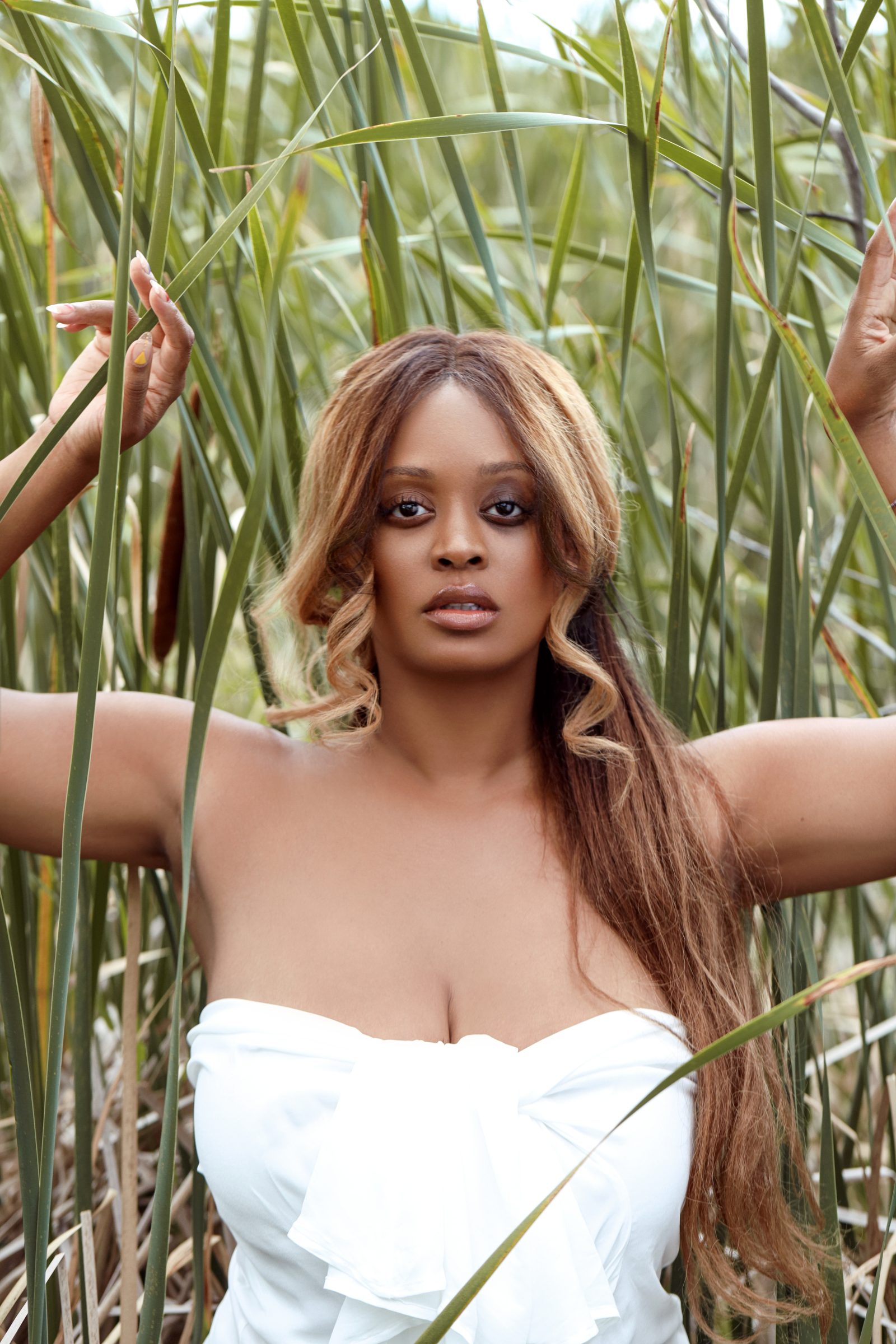
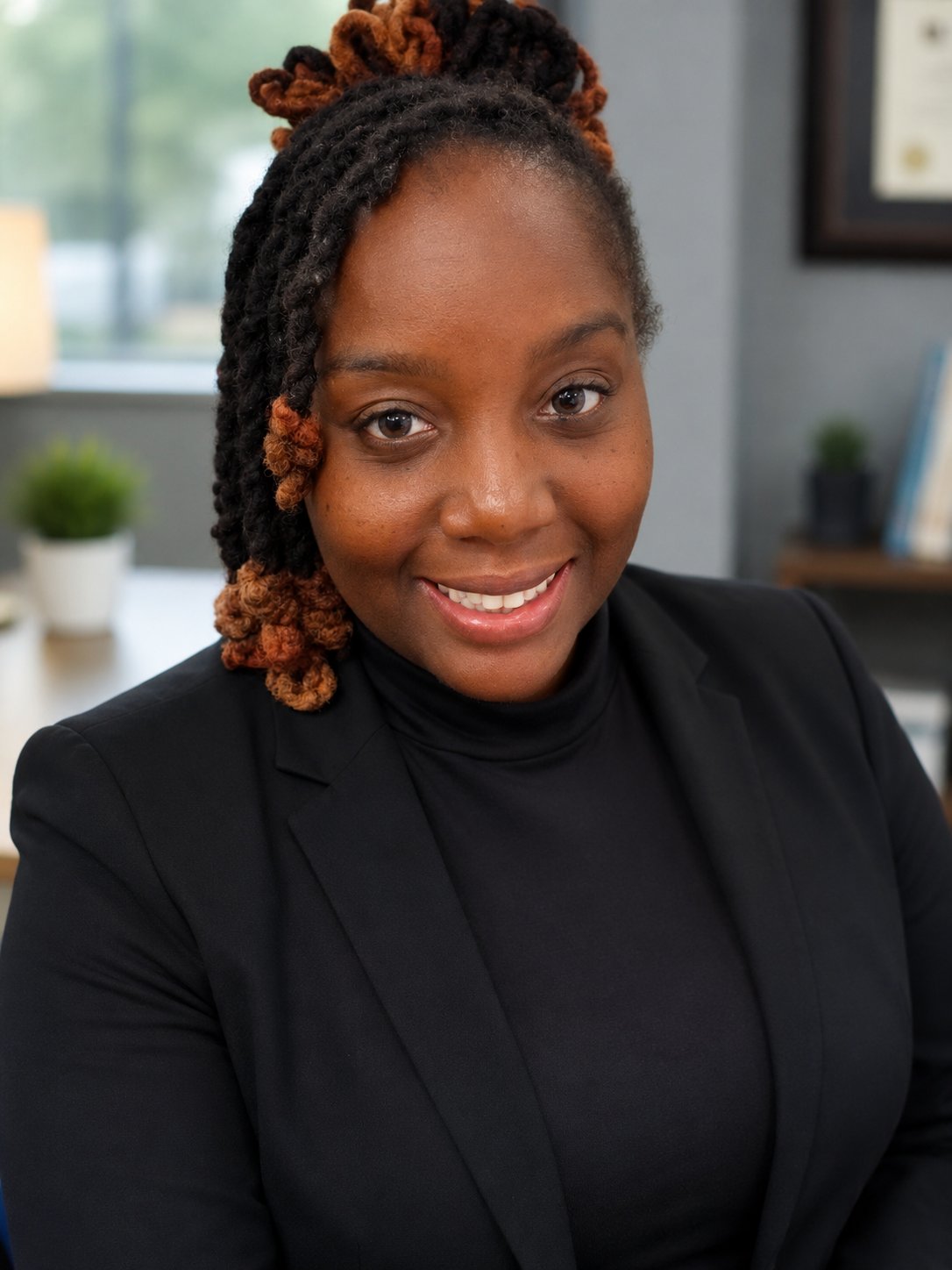
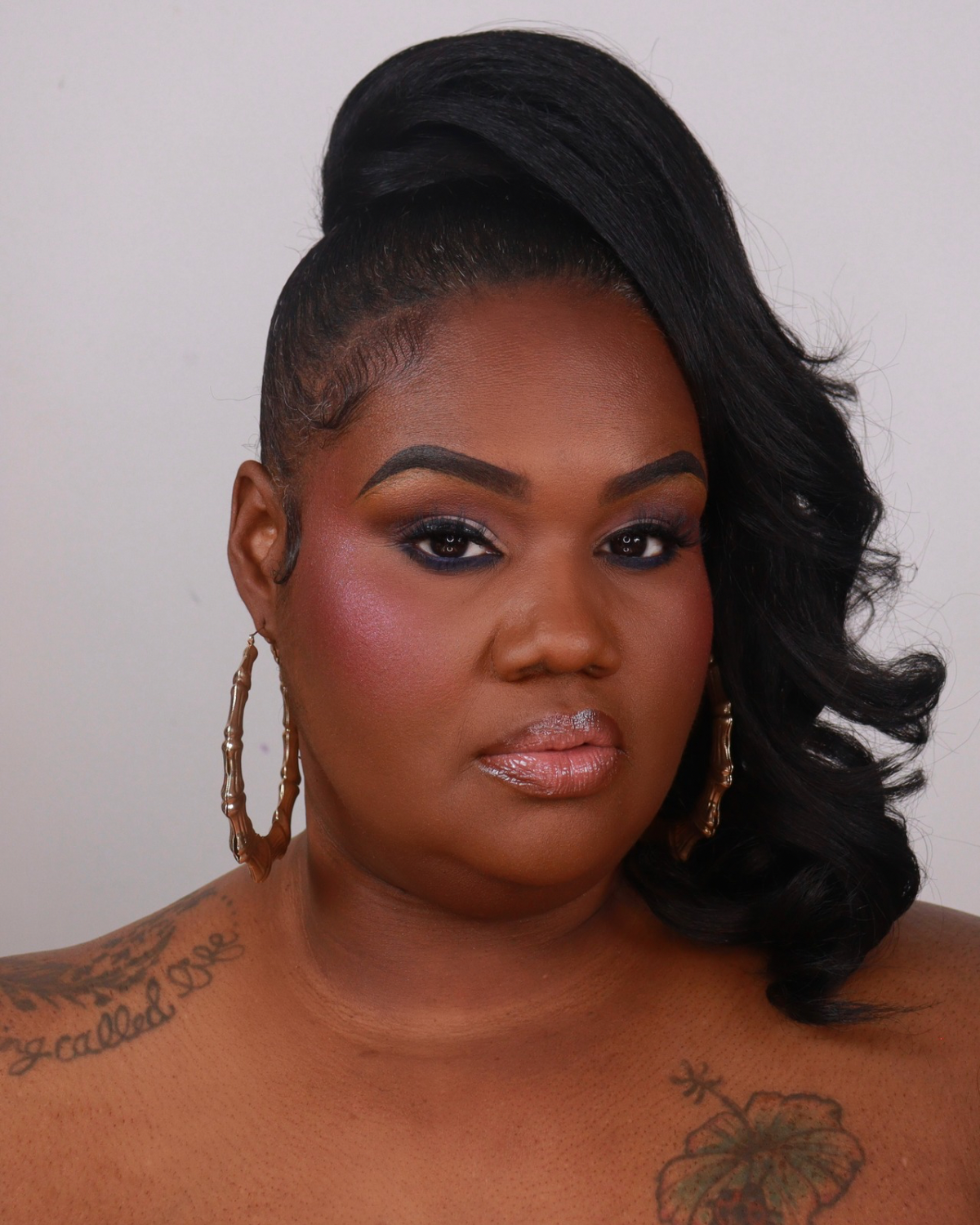
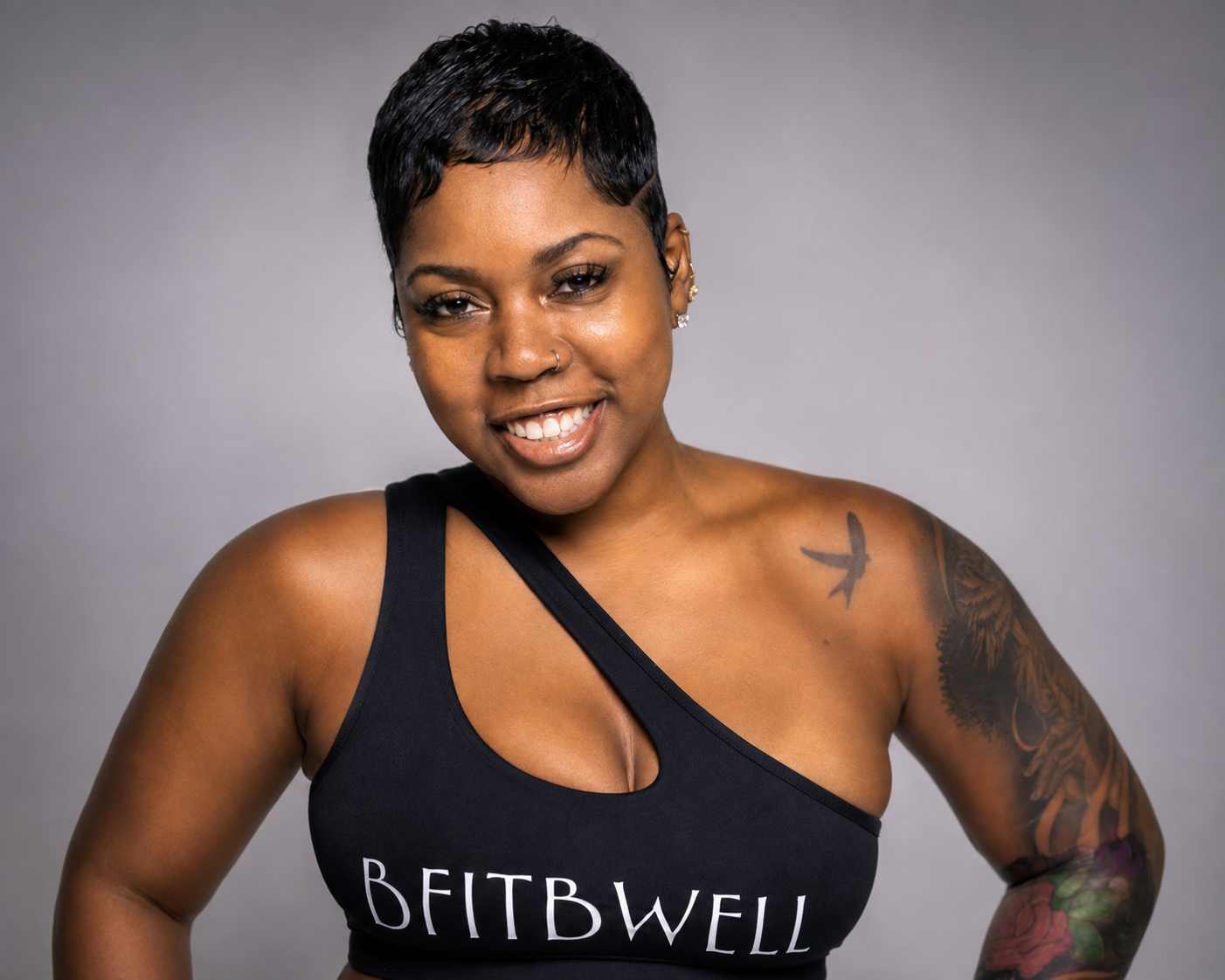
To every Black woman reading these words,
Last week, we talked about listening to our bodies.
We talked about the headaches we push through, the exhaustion we normalize, the appointments we postpone, the emotions we swallow, and all the little ways our bodies whisper, “Something needs to change.”
But this week, I want us to go deeper, because sometimes the problem isn’t that we don’t hear our bodies. Sometimes we hear them perfectly well. We’re just convinced that everybody else’s needs are more important.
And that’s where the conversation about Black women and boundaries becomes necessary.
So ladies… pull your chair a little closer. Because I want to ask you something that may make some of us uncomfortable.
Who made you responsible for everybody?
And before you answer…
Think about it.
How Many People Are You Carrying Right Now?
Not loving.
Not supporting.
Carrying.
There’s a difference.
How many grown people’s problems have somehow become your responsibility? How many people call you because they already know you’ll figure it out?
Who calls when they need money?
Who calls when their relationship falls apart?
Who calls when they need somewhere to stay?
Who calls when they need encouragement?
Who calls when they need prayer?
Who calls when they need someone to fix the mess they created?
And here’s the question I really want you to sit with:
Who do you call?
I can almost hear the room getting quiet.
Because that’s where this conversation gets real. Some of us have become so accustomed to being needed that we don’t know who we are when nobody needs anything.
And some of us secretly believe being needed is the same thing as being loved.
It isn’t.
“But Stacey, That’s Just Who I Am.”
I know.
You’re the dependable one.
The strong one.
The one who knows how to make something out of nothing.
The one who keeps the family connected.
The one everybody says can “handle it.”
And maybe you’ve been that woman for so long that you don’t even question it anymore. Someone calls, and you immediately go into problem-solving mode.
“What happened?”
“How much do you need?”
“Do you need me to come?”
“Did you call them?”
“Okay, let me see what I can do.”
Before you’ve even considered whether you have the emotional, physical, spiritual, or financial capacity to help.
That’s what I want us to examine.
Because there’s generosity…
And then there’s self-abandonment disguised as generosity.
Those aren’t the same thing.
Learning to recognize that difference is an important part of the conversation about Black women and boundaries. A boundary does not mean you have stopped loving people. Sometimes it simply means you have stopped abandoning yourself in order to prove that love.

Let Me Give You an Example
Imagine your phone rings at 10:30 at night.
You’re exhausted. You’ve had a full day. Your body has already told you that you need sleep. But someone you love is having another crisis.
And it’s not their first crisis.
You’ve helped before.
You’ve advised before.
You’ve prayed before.
You’ve loaned money before.
You’ve picked up the pieces before.
Yet here we are again.
And without thinking, you say:
“Okay. Tell me what happened.”
An hour later, you’re still on the phone.
They’re calmer.
They go to sleep.
But now you’re wide awake.
Their problem has moved from their nervous system into yours.
Read that again.
They released it.
You absorbed it.
And tomorrow morning, they’re going about their day while you’re exhausted, irritated, anxious, and wondering why you don’t feel like yourself.
That’s not always compassion.
Sometimes that’s a boundary problem.
And for Black women and boundaries, this is where the work can become uncomfortable: realizing that being available to everyone at all times is not the same thing as being loving, supportive, or good.
Where Did We Learn This?
I don’t believe Black women simply woke up one morning and decided:
“I’d like to spend my entire life being responsible for everybody.”
There are histories behind these behaviors.
Family systems.
Cultural expectations.
Religious teachings.
Economic realities.
Gender expectations.
And generations of Black women who had very little room to fall apart.
Some of us watched mothers and grandmothers stretch meals, raise children, care for relatives, work long hours, serve churches, support husbands, help neighbors, and somehow keep moving.
And we admired them.
We should.
Many of those women did extraordinary things with very limited choices.
But here’s where healing requires honesty:
We can honor what our mothers and grandmothers survived without making their survival strategies our permanent lifestyle.
That’s important.
Maybe Grandma couldn’t rest.
Maybe Mama couldn’t say no.
Maybe the women before us didn’t have access to therapy, supportive communities, financial resources, healing circles, or language for what they were experiencing.
But if we have access to something different…
Why wouldn’t we use it?
When we talk about Black women and boundaries, we also have to make room for the generational context behind why saying no, asking for help, resting, or choosing ourselves can feel so unnatural.
What if their survival wasn’t an instruction manual?
What if it was a bridge?
What if they carried what they carried so eventually one of us could finally put some of it down?
Can I Share Something Personal?
There have been seasons of my own life where I believed I had to figure everything out myself.
I’ve rebuilt more than once.
I’ve experienced grief and trauma.
I’ve experienced instability.
I’ve experienced seasons where life did not look anything like the vision I carried inside of me.
And still…
I kept building.
I kept showing up.
I kept helping other people.
I kept creating.
I kept believing.
There have been seasons when I was building a business and a healing movement while my own living circumstances were uncertain.
And there’s something complicated about being the woman encouraging everybody else while you’re privately rebuilding yourself.
People see the visionary.
They see the founder.
They see the woman with the ideas.
They see the person encouraging everybody else to heal.
But they don’t always see what it costs to continue showing up when you’re carrying your own unanswered prayers.
And I’ve had to confront something in myself:
My ability to survive something doesn’t mean I was supposed to keep living that way.
That realization changed me.
Because I had become very good at figuring things out.
And when you’re good at figuring things out, people will happily let you.
But eventually you have to ask:
“Do I actually have to do this alone—or have I simply become accustomed to doing it alone?”
Those are two very different things.
That question is also part of healing Black women and boundaries—understanding that strength can include receiving, resting, asking, and allowing someone else to carry something for a change.
Your Week Three Reflection
Take some time with these questions:
- Who am I currently carrying emotionally, financially, spiritually, or physically?
- What am I afraid will happen if I stop rescuing them?
- When did I learn that being needed meant being valuable?
You were never created to save everybody.
Maybe this is the week you finally allow somebody—including yourself—to help save some space for you.
Connect with The Sacred Rebuild
 Stacey Lynelle
Founder, The Sacred Rebuild
Email: thesacredrebuild@gmail.com
Phone/Text: 410-800-7814
Store & Resources: https://thesacredrebuild.square.site
Linktree: https://linktr.ee/thesacredrebuild
“Your healing matters. Your story matters. And you deserve a life that feels as whole as the one God intended for you.”
©2026 The Sacred Rebuild™| Blossom & Grow Foundation™