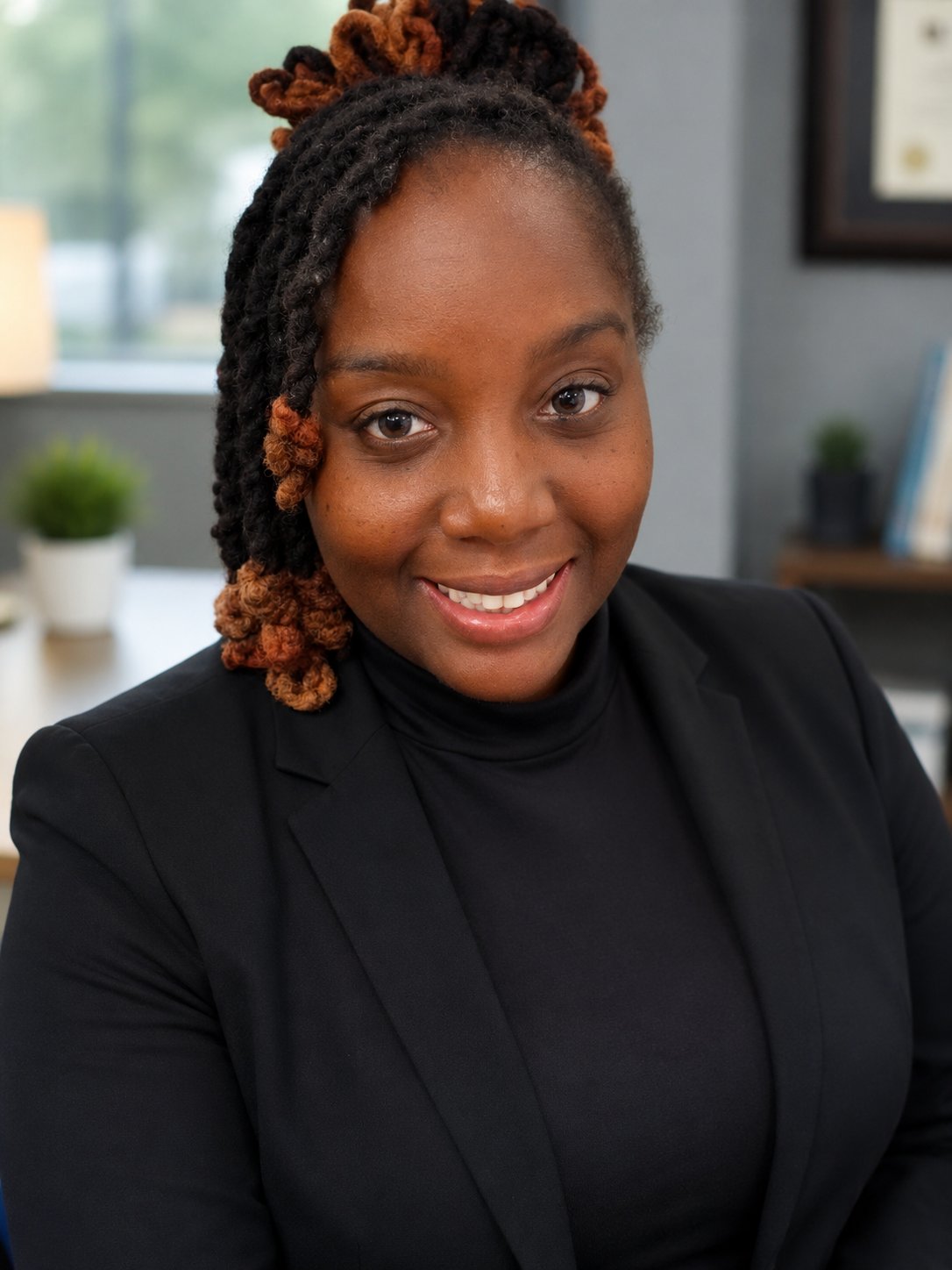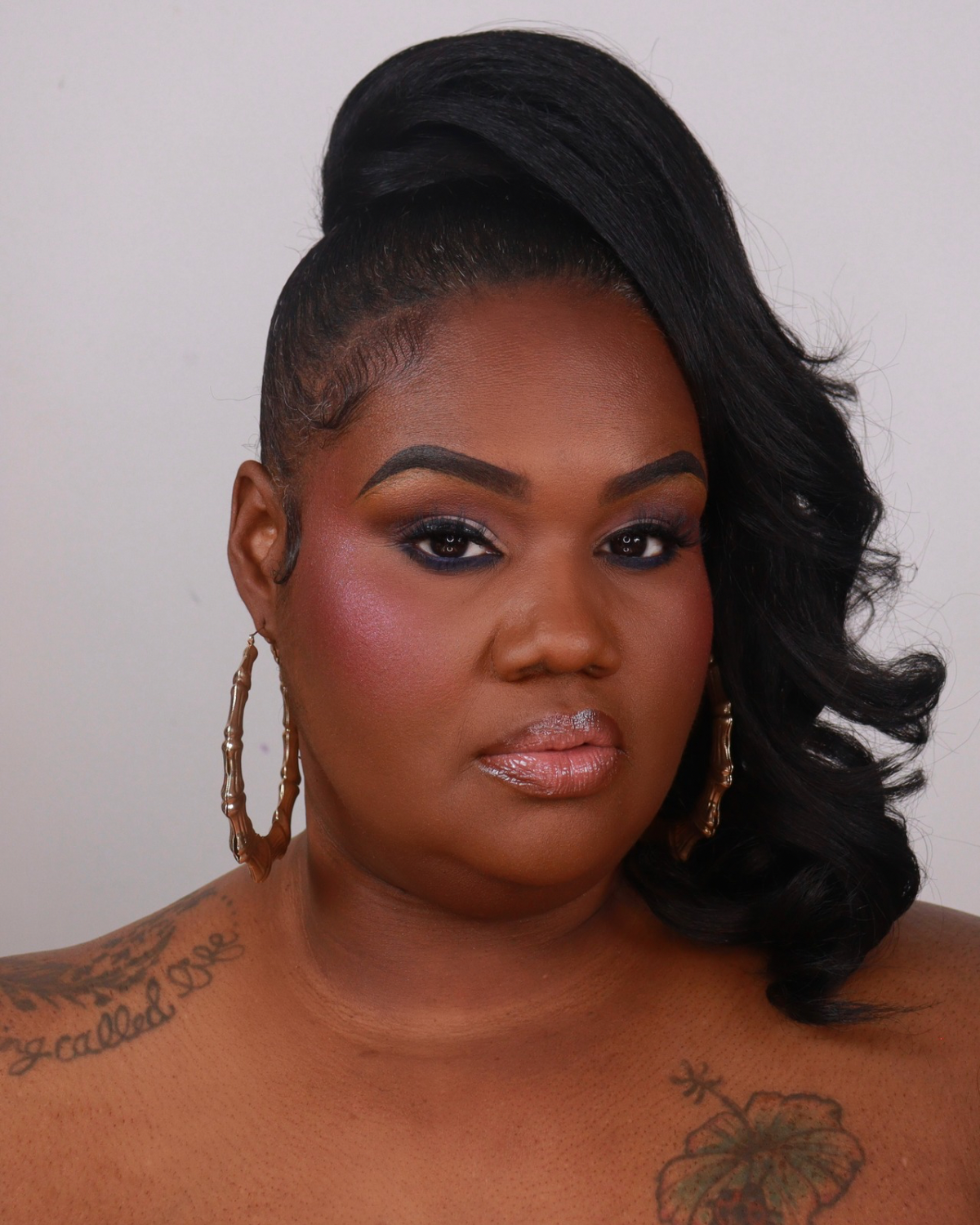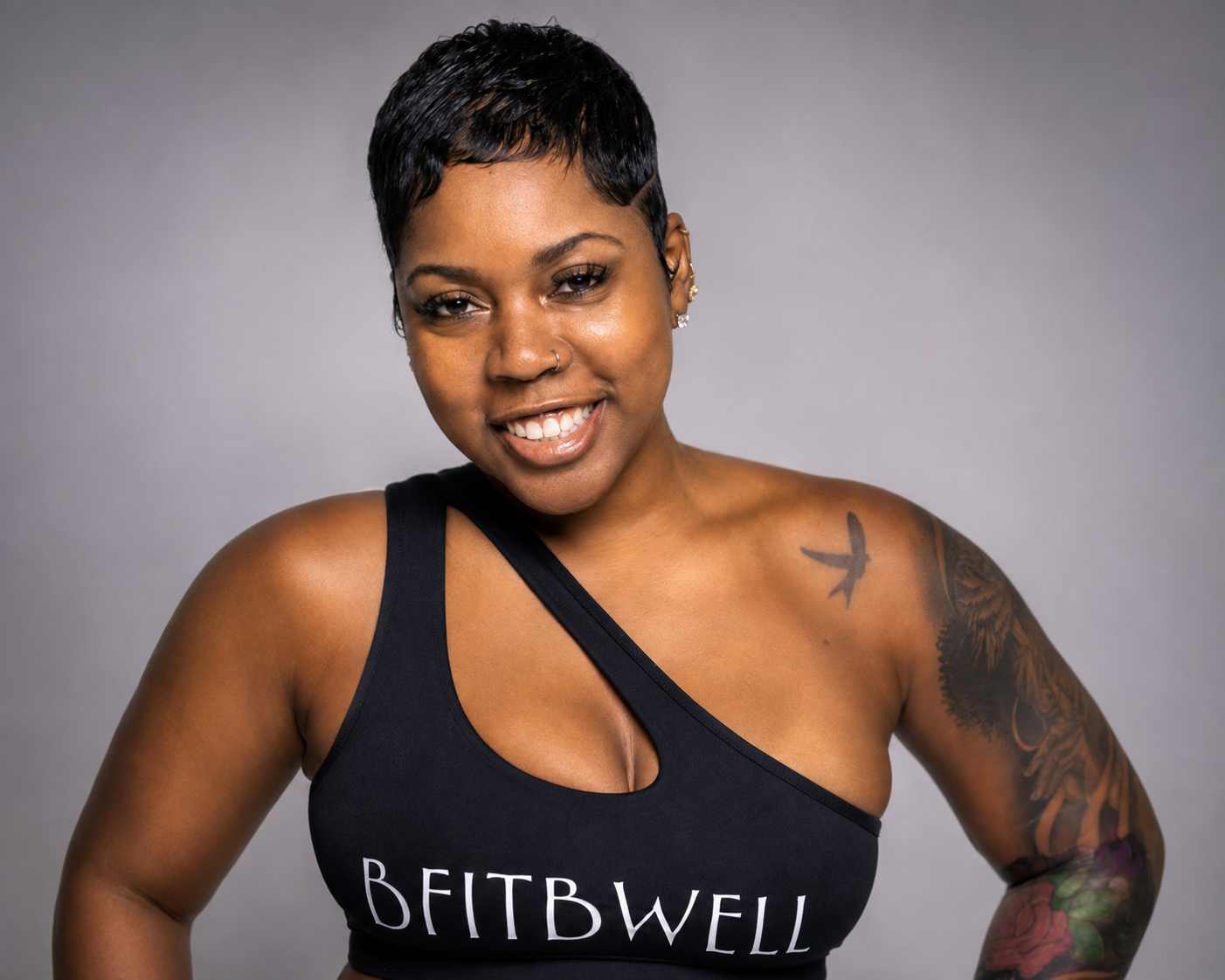
Delegate Lashrecse D. Aird was sworn in January 2016 to represent the 63rd House District, which includes all of the City of Petersburg, all of Dinwiddie County and parts of Chesterfield County. She holds the special distinction of being the youngest woman ever elected to the Virginia House of Delegates.
Delegate Aird serves on the General Laws; Health, Welfare and Institutions; and Appropriations committees. Out of session, she serves on the joint subcommittees on Tax Preferences and Local Governments in Fiscal Distress. She was recently appointed to Virginia Tobacco Region Revitalization Commission, which awards grants that support job creation, education and a variety of projects in tobacco-dependent communities.
Delegate Aird’s service is guided by her allegiance to the citizens she represents and her devotion to improving their quality of life. In her first two legislative terms, she has placed a significant emphasis on improving education—K-12 and higher education—workforce development, and economic and social justice.
Delegate Aird’s professional life reflects her conviction that the struggle for equality begins with political freedom and education. Working side by side with the president as chief of staff, and as a member of the executive leadership team at Richard Bland College of William and Mary, she helps today’s students become tomorrow’s leaders.
Delegate Aird earned her undergraduate degree from Virginia State University in 2008. She is a graduate of the University of Virginia’s Sorensen Political Leadership Program; a graduate of the American Council on Education Virginia Network for Women in Higher Education’s Senior Leadership Seminar and a graduate of Virginia Commonwealth University’s Minority Political Leadership Institute. In addition, she was awarded an honorary Doctorate of Humane Letters, from Virginia State University in 2019 and was part of Governing Magazine’s Women in Government, Class of 2019. She is a current 2020 Fellow of the Bertelsmann Foundation Congressional European Parliament Initiative (CEPI).
A tireless and trusted community leader, Delegate Aird is actively engaged in numerous civic boards and organizations. Through her hard work and clarity of vision, she has risen to a leadership position in each organization that she serves. Currently, she chairs the Fourth Congressional District Committee for the Democratic Party of Virginia. In addition, she is a member of the Petersburg Alumnae Chapter of Delta Sigma Theta Sorority, Inc., the James House Board of Directors, Sports Backers Board of Directors and is a member of the Responsible Leaders Network for the BMW Foundation Herbert Quandt.
Delegate Aird has been recognized with numerous awards and honors; including the University of Virginia’s Emerging Leader Award, the Free Enterprise Award from the Virginia Chamber of Commerce in 2018 and 2019 and the Energy Freedom award from the Sierra Club. She has been named Virginia Leadership Institute’s Top Ten Leaders under Forty; is the recipient of Virginia State University’s Presidential Medallion; and the Young Trojan Distinguished Alumni Award for two consecutive years.
Delegate Aird is a resident of Petersburg where she and her husband, Blaine, reside and are raising their two young boys, Blaine and Blake.Â
Christina: What is your SwagHer? What makes Lashrecse, Lashrecse?
Lashrecse: Being Lashrecse means showing up as my full-self at all times. Vibrantly depicting a young Black woman who firmly believes it was always us, it was always you and always me. That holds a lot of meaning and represents a state of mind–a confident state of mind in our worth and value.
Christina: You recently sponsored the no-knock law, aka “Breonna’s Law,” and argued that it was rarely used, but when it is used, it’s used against people of color. For our readers who don’t understand it. Can you please explain?
Lashrecse: In the Commonwealth of Virginia and many states throughout the country, there is no data tracked and/or collected for the use of no-knock search warrants. Thereby it is extremely difficult to quantify how frequently this tactic is used fully and the communities they’re used in. Specifically for Virginia, our state, the code was completely silent on their use, which allowed for complete discretion and no consistency in the application of the search warrant.Â
However, the no-knock search warrant was developed during the “so-called” war on drugs, and it has always been controversial since its conception. Despite the lack of data, what is clear and indisputable is the disproportionate use in drug raids that take place in black and brown communities. There is significant use of the no-knock search warrant in other states, and there are countless incidents of both law enforcement and citizens being harmed during the execution of the warrant.Â
Christina: What is your opinion on the Breonna Taylor situation? Do you believe it was handled well?Â
Lashrecse: There is too little attention paid to the trauma and psychological scars that have permeated black and brown communities because of harmful police practices. From the intelligence used to base the justification for the search warrant to the long-debated practice of no-knock and simultaneous knock-and-announcing–the handling of the execution of the search warrant failed on multiple levels and led to an unimaginable tragedy. Furthermore, the mishandling of Breonna’s case by the Kentucky Attorney General was the worst part of this situation. I believe he single-handedly is responsible for the injustice in her case.
Christina: You are the youngest woman ever to be elected to the Virginia House of Delegates. How does it feel to hold that title? Â
Lashrecse: When I ran for office at 28, I recall asking the Clerk of the House of Delegates how old was the youngest woman to run for office in the House of Delegates? After being told they needed to review the archives and get the call back confirming that I would be, I remember thinking that it was cool. Because it is not my nature, I never spent much time classifying it as a real accolade or accomplishment. I’ve always felt I’ve been waiting for my age to catch up to my soul and that while I was young, I was absolutely qualified for the job.Â
After four years, the title is less important to me personally, but more a label that I hope empowers other young people, particularly girls and women, to believe if they have any doubt, that if they’re ready to run for office, then they can. Research from the Center for American Women consistently shows that girls and women are less likely than men to aspire to a political career, need greater encouragement to do so from parties, family, and other sources, and take less traditional routes to run for office. I want to give them the confidence to step out, believe in themselves, and see me as living proof.
Christina: What have been the successes and failures of your first two terms in the legislature?Â
 Lashrecse: The hardest part about serving as a young elected official in an old institution, surrounded by institutionalist, is the sense of urgency you feel to bring about change, addressing problems in your community but instead have to tolerate the bureaucracy of government–which often results in slow incremental progress. And–slow change for people who don’t have time to wait, are in desperate need, and have been for some time. The constant tug-of-war within yourself can weigh heavily on your spirit, creating a perpetual cycle of disappointment. But you keep going-and pushing because it isn’t about you. It is about the people you represent.
Despite that raw reality, admittedly, in my first term, I walked onto the most powerful committee in the House of Delegates, the Appropriations Committee, which is responsible for developing the budget and allocating dollars to our most core functions as a government, e.g., education, healthcare, transportation. I’ve passed historic legislation working with a republican from Southwest Virginia, a predominantly white but economically distressed community, that has been critical to incentivizing new industries and jobs to come to the often overlooked, distressed localities. When my city was on the brink of bankruptcy, never to be seen before in our state, I was able to work with legislative partners to get the state to intervene and finally invest in their turnaround with an emergency manager. I’ve cemented my reputation as an education champion with my advocacy for unprecedented financial resources in both our primary schools and Historically Black Colleges and Universities.
Lastly, after democrats won control of the House of Delegates in 2019, I ran for the position of Speaker of the VA House of Delegates, which is arguably the most powerful position, next to the Governor, in our government. At this critical transition of power, I remember assessing who would best be the voice to align intergenerational differences, progressive vs. moderate differences, and geographical differences. I can vividly remember the moment I realized, why not me? I’d learn to quickly and effectively navigate our cryptic system of government, had a vision and leadership plan, and was committed to the fundraising obligations, but like many women, especially young women, never had the confidence before that moment. While I didn’t win the Speakership, I accomplished something equally as important. Four hundred years later, we are still teaching people about Black women, our capacity, our abilities, and culturally who we are. They need to see us in these roles and the strength we bring to these positions. The first time I told someone I was running for the position, they immediately advised me against it because they’d never seen it done before. I eliminated the doubt in the minds of other leaders that a young black woman could seek a position of such power–competitively–and I’ve laid a path that wasn’t there for me, for the next young woman that comes along and desires to aspire to such a position, and will be there to help her along the way.
Christina: What are the greatest lessons you have learned?
Lashrecse: The greatest use of my talent at this point in my political career is to help build the pipeline of leaders that can serve alongside me and to serve in roles that remain void of young voices, black and brown voices, and empathetic voices. I’ve learned a lot in just four years about the cryptic systems of government. Until we deliberately begin to spread the knowledge of how to navigate those systems, those speaking truth to power will seldom be able to truly demand truth from power. The void of those voices from every layer of government means that if you have one crack in the foundation, eventually, that crack will deepen, damaging whatever structure has been built on top. This is often true of our government. While the state government is doing its part to fully provide for our most vulnerable populations, the impact of those efforts can’t be felt if the local government is unstable, your state agencies are unstable, and the individuals taking up space in those positions and offices, outlive political leaders.
Christina: You are an extremely busy woman. What do you do day to day to help ease some of the stress during your everyday life?
Lashrecse: When I’m at my most stressed point, being on or near water is the greatest de-stressor. Day-to-day I maintain a routine of physical activity, specifically running to maintain a healthy release of stress and for my overall health. Lately, I’ve turned off all my social media notifications to take greater control of my focus, schedule, and mental well being. I am very self-aware of my stress levels and know when to disengage and unplug entirely, but I have a pretty high-stress capacity.Â
Christina: What are some words of advice you can give young women who want to be part of the political world?Â
Lashrecse: The truth of the matter is when you put black and brown women in positions of power, you get a voice for issues that have long been overlooked, that get attention and get the expertise that is needed to connect with all people, and then getting them addressed.Â
I encourage any young woman interested in civic and political engagement to find the issues they are most passionate about and go to work to address them. Often the opportunities for elected office naturally attract the people showing up and doing the work.
Obsess over your preparedness and your familiarity with the issues you believe in and stand for. Leaders who fail to authentically connect to those they seek to represent often find themselves in vulnerable positions because they are deeply rooted in their community’s needs and haven’t taken the time to determine who they are and what they stand for.
And lastly, don’t reinvent the wheel; many leaders have made a lot of mistakes for you and would love to help you avoid landmines and leapfrog common errors made as you’re developing your leadership ability. Seek them out and be humble enough to receive their guidance. Use what you need, throw away what you don’t but have the discernment to know.
Â
Connect with Lashrecse below:
Website: https://airdfordelegate.com
Instagram: @lashrecseaird
Facebook: airdfordelegate
LinkedIn: lashrecseaird
Â