Valentine’s Day has always told a very specific story. One that centers romance, visibility, and being chosen—preferably loudly, publicly, and with proof. Flowers. Photos. Proposals. Soft smiles posted online like evidence that love has arrived.
But for many Black women, Valentine’s Day carries a quieter truth.
It can stir memories of overgiving. Of staying too long. Of loving deeply without being protected, prioritized, or emotionally met. It can reopen wounds from relationships where strength was mistaken for endurance, and loyalty meant self-abandonment.
And yet, more Black women are choosing something different now.
They are choosing themselves.
Not out of bitterness. Not out of fear. But out of clarity.
This Valentine’s Day looks different for the Black woman who is healing. The woman who has stepped away from relationships that demanded her silence, her softness, or her self-worth. The woman who decided that love should feel safe—not familiar in its chaos.
For her, choosing herself is not loneliness.
It is leadership.
The Shift From Survival to Self-Trust
Black women are often praised for our resilience, but rarely asked what it cost us. Many of us learned early how to love through hardship—how to adapt, compromise, and hold things together. In relationships, that often translated into over-functioning emotionally while under-receiving care.
Healing begins when we stop asking, “How can I make this work?” and start asking, “How does this feel in my body?”
Emotional intelligence teaches us that self-awareness is the foundation of a healthy connection. When we begin to notice our emotional patterns—our triggers, our tolerance for inconsistency, our tendency to excuse what hurts—we gain the power to choose differently.
For many Black women, choosing to be single during a healing season is not avoidance. It’s discernment.
It’s recognizing that chemistry without safety is not love. That passion without peace is not intimacy. That being chosen by someone else means very little if you’ve abandoned yourself in the process.
Why Singleness Can Be a Sacred Season
There is a difference between loneliness and solitude, but we are rarely taught to name it.
Loneliness feels like longing without grounding. Solitude, on the other hand, is intentional. It is a space where the nervous system can rest. Where hypervigilance softens. Where the body learns what calm actually feels like after years of emotional unpredictability.
Many women discover in singleness what they were never able to access in partnership: clarity, emotional regulation, and a deep sense of self-trust.
This is not about shutting love out. It’s about rebuilding the internal safety required to choose love well.
For Black women in particular—who often navigate relationships layered with cultural expectations, gendered labor, and emotional caretaking—this pause can be revolutionary.
It allows space to unlearn the belief that love must be earned through sacrifice.
Letting Go as an Act of Love
Healing does not always look like moving forward. Sometimes, it looks like letting go.
Letting go of the version of love that required you to stay silent.
Letting go of potential that never became practice.
Letting go of relationships that were familiar but unfulfilling.
This is where post-heartbreak growth lives—not in rushing to replace what was lost, but in integrating the lessons it left behind.
Many women discover after heartbreak that they are stronger, clearer, and more grounded than they’ve ever been. Not because the pain was necessary, but because they finally listened to themselves.
Choosing yourself, especially after loving deeply, is not selfish. It is self-respect in action.
Redefining Valentine’s Day
So what does Valentine’s Day look like for the woman who is healing?
It might look like boundaries instead of bouquets.
Peace instead of passion.
A quiet evening instead of performative joy.
It might look like honoring how far you’ve come instead of what you don’t have yet.
This version of Valentine’s Day does not ask you to perform happiness or explain your singleness. It asks you to witness your own growth. To acknowledge the courage it took to walk away from what wasn’t healthy. To celebrate the relationship you are building with yourself—the one that sets the standard for every relationship that follows.
The Love Story That Changes Everything
The most powerful love story a Black woman can tell is the one where she no longer betrays herself to be chosen.
Where she listens to her intuition.
Where she honors her boundaries.
Where she allows softness to coexist with strength.
This Valentine’s Day, love does not have to arrive wrapped in roses to be real.
Sometimes, love looks like rest.
Sometimes, it looks like healing.
Sometimes, it looks like choosing yourself—even when no one is watching.
And for the Black woman who is healing, that choice is not the end of the story.
“When a Black woman chooses herself, she doesn’t lose love—she learns how it’s meant to feel.”
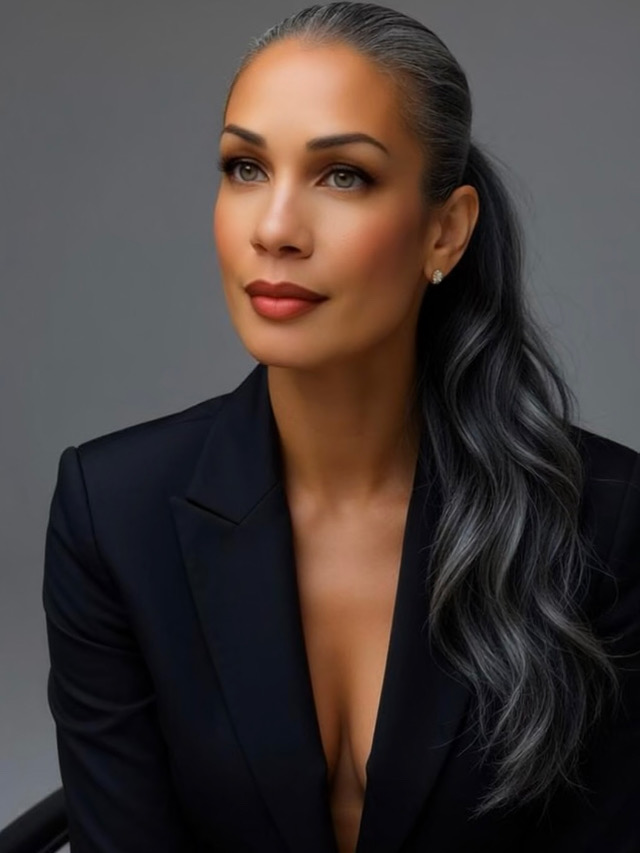
Angelita Byrd is an author, resilience coach, and emotional healing advocate. She is the author of “With Love, I Let Go: A Journey Back to Self”, a reflective exploration of healing after heartbreak. Through storytelling, coaching, and community, Angelita leads a global movement dedicated to Healing 100K Women for 2026, encouraging women to release emotional pain, reclaim their worth, and choose themselves with clarity and grace.