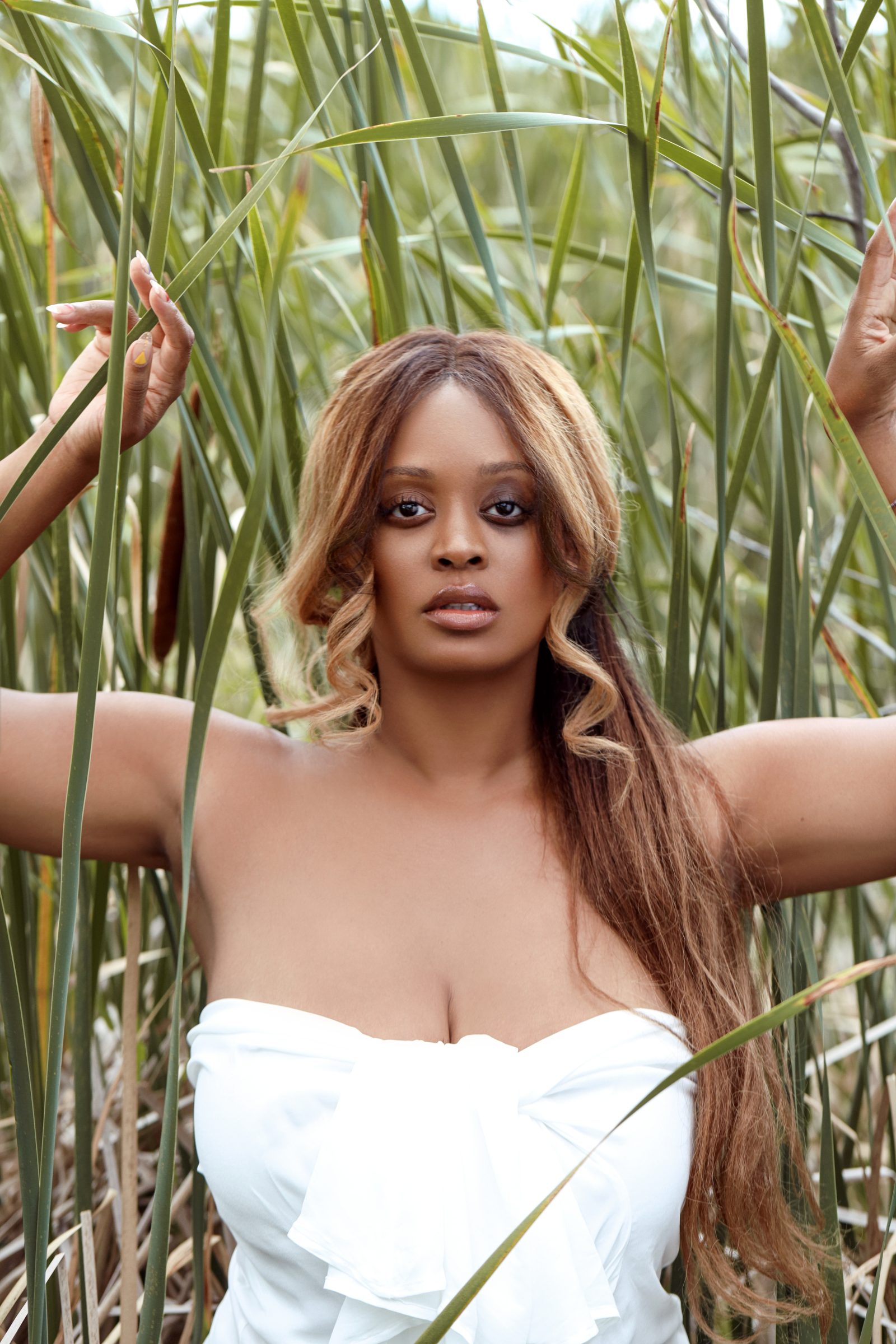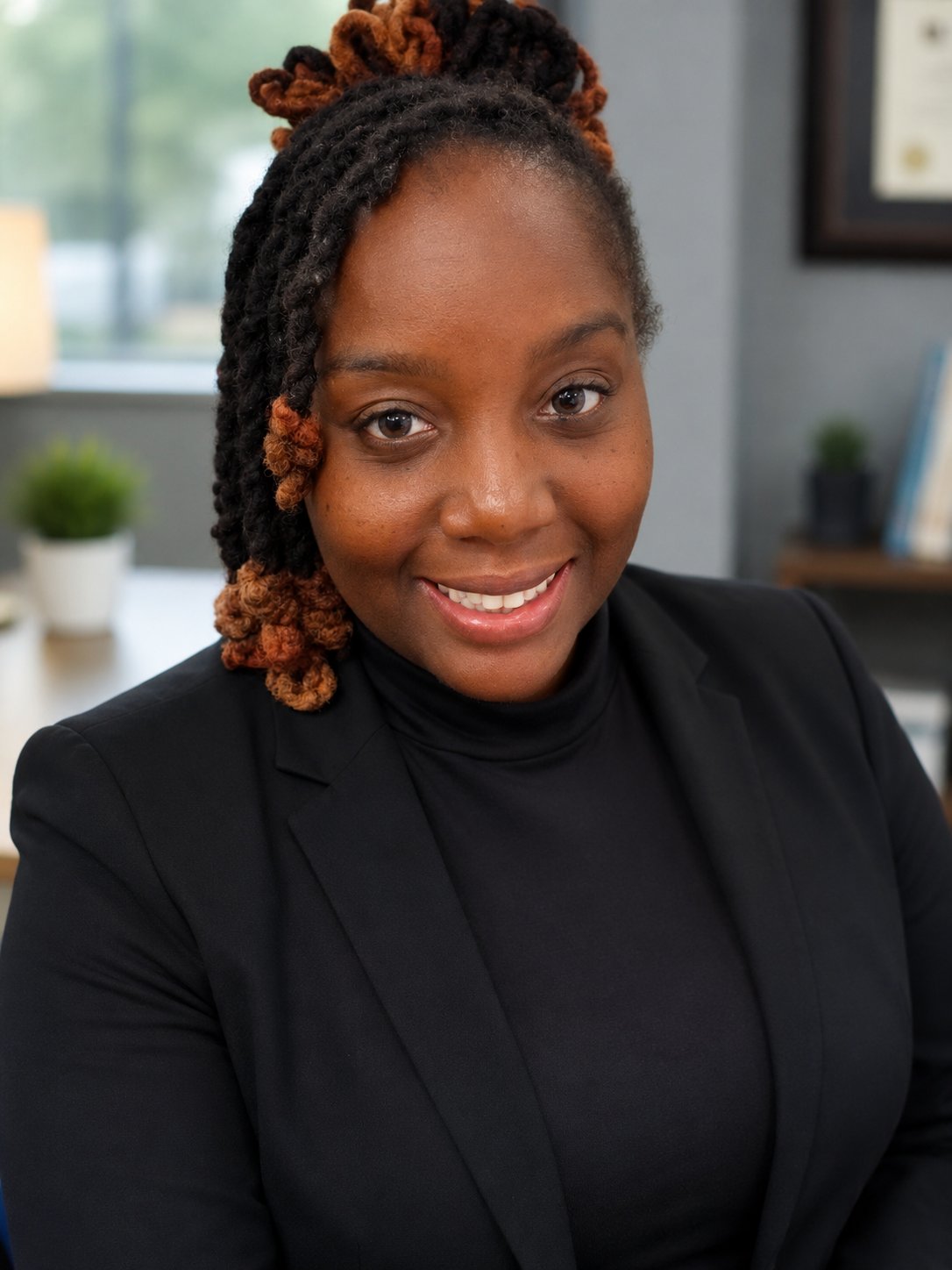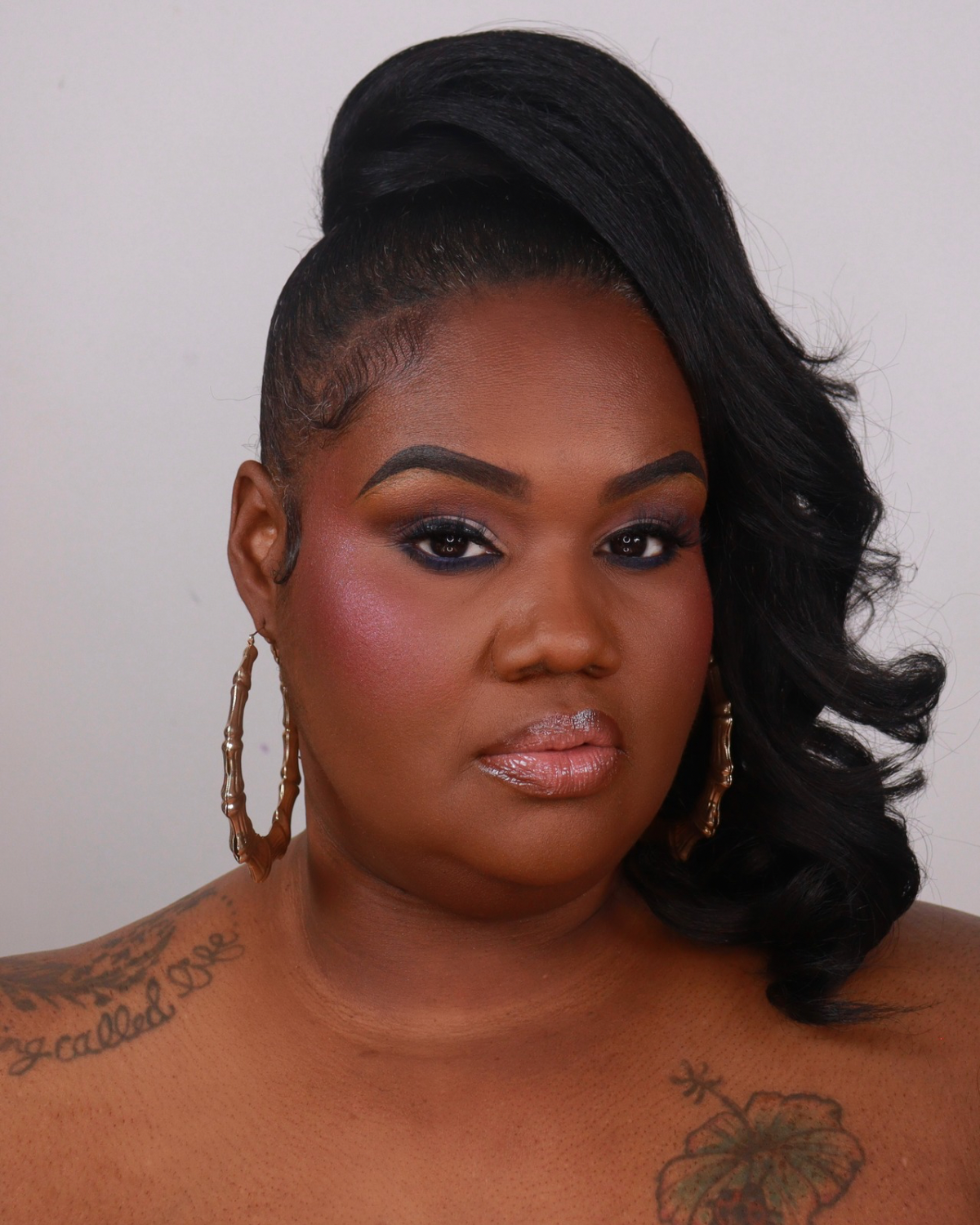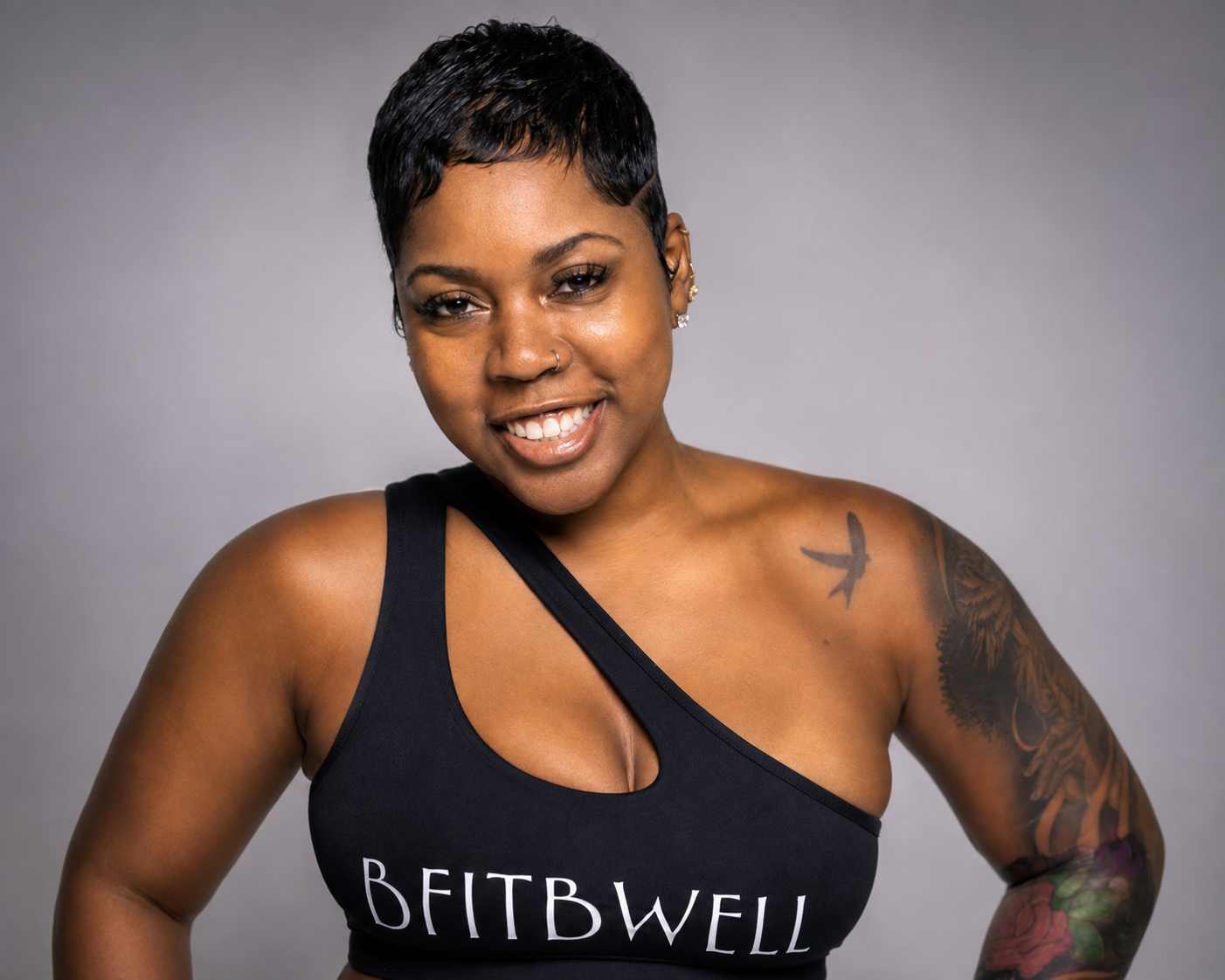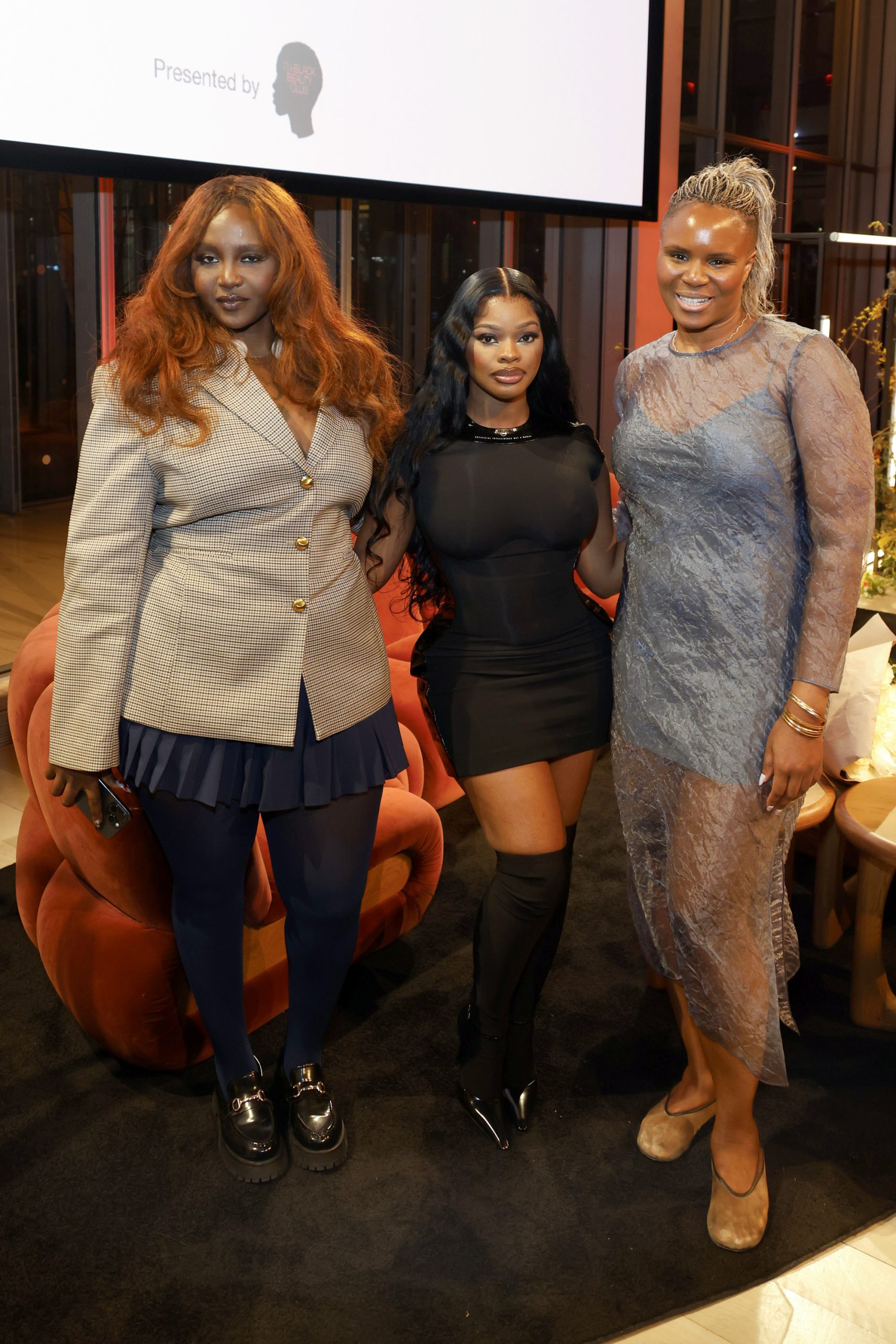
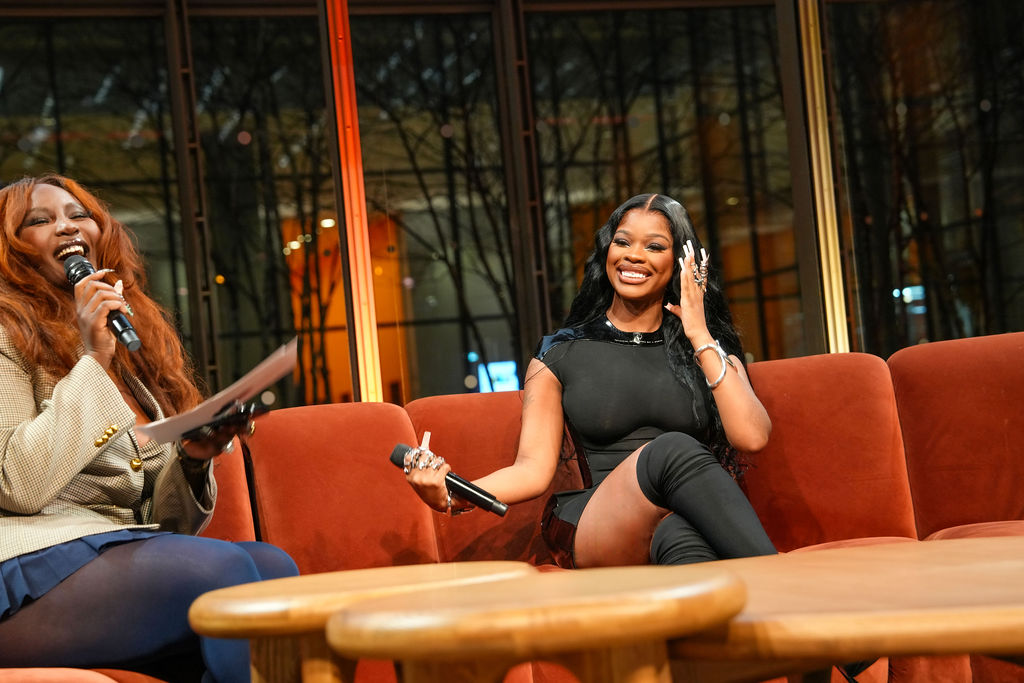
On February 18, 2025, The Black Beauty Club hosted “Black Beauty Talks”. The event produced more than just a panel discussion; it was a statement. Held in New York City and headlined by rap icon JT, the event brought together some of the most influential voices in beauty, culture, and creative industries. The series of conversations dissected some past collective experiences, the present, and the future of Black beauty. The room contained glowing energy and a collective understanding that this was movement.
Tomi Talabi, founder of The Black Beauty Club, reminded us why this space exists. “We must hold ourselves accountable and celebrate and amplify each other. “In an era where DEI efforts are being rolled back, this is a powerful call to action.” The conversations were a testament to that sentiment. They were raw, necessary, and layered with lived experiences.
Who Benefits from Community-Built Beauty?
The evening opened with a dialogue between beauty influencer Eni ‘EniGivenSunday‘ Popoola and moderator Mimi Sillah, who asked a relevant question: Who benefits from community-built beauty? “The first answer is usually always proximity to whiteness or Eurocentric beauty standards,” Eni stated. And just like that, the conversation dove deep. She expanded on the point by acknowledging that these dynamics may shape her presence in the industry. “I do not think that I am Eurocentric, but I’m aware of my proximity to certain things that society deems attractive, even outside of the Black community,” she shared. “When we think about hair, features, all of it, the hierarchy is almost always going to be based on proximity to whiteness, at least in an American context.”
In a world constantly curating images of beauty, how do we know when we’re choosing ourselves versus just internalizing what we see? Eni’s response was reflective. “It doesn’t have to be either/or. Inspiration isn’t always a negative thing. But my personal test is what I call the “vacuum test“. How do I view myself when no one else is around, with no outside influence?”
Black Beauty as Art, Legacy & Disruption
Next, we saw a conversation between two industry trailblazers, creative director Raisa Flowers and nail artist Dawn Sterling. Moderated by journalist Tahirah Hairston, this panel discussed aesthetics, legacy, and challenging norms. Brooklyn native Dawn Sterling, whose work has graced everything from Victoria’s Secret to Pharrell (Louis Vuitton), shared insights into working in high fashion and entertainment. Meanwhile, Raisa Flowers, a Mount Vernon native whose makeup artistry has touched icons like Joan Smalls, Precious Lee, Amanda Gorman, and Rihanna, reflected on the industry’s evolution.
As the chat began to conclude, Raisa gave the audience a gem: “Know your worth and assist. Find what works for you, find your purpose, and what you want to do. Anything that is for you will not pass you.”

Expanding Beauty Standards
Then came the headliner, JT’s lively conversation with journalist Simi Muhumuza. The City Cinderella herself sat poised and passionate, discussing how cultural icons are reshaping Black beauty. With lighthearted laughter, JT shared her early beauty influences, recalling her admiration for Tyra Banks on “America’s Next Top Model” and praising the stunning style of rap legends like Jackie O and Trina. “Black beauty sets trends, drives industries, and deserves recognition at every level,” JT declared. She emphasized the need for more opportunities for Black creatives in high-level spaces while sharing experiences of photoshoots without black creative representation. After identifying her favorite personal style as “a Baddie”, she expressed her ambition to launch her own beauty brand.
This conversation raised a critical question: Are we, as Black women, harnessing our collective strength to sustain our beauty culture, or are we waiting for the world to recognize what we already know? The Black Beauty Club team highlighted the intention that Black Beauty must be thoughtfully powered, which starts with us. Tomi Talabi reminded us that beauty is not about fitting into a mold, and impact is more of a priority. “Inclusivity isn’t about corporations,” she said. “It’s about our culture.” And that was the real takeaway.
Expanding Beauty Standards
Black beauty is not a niche. It is the blueprint. The innovators in the room, founders, disruptors, and creatives, are redefining the standard. The conversations were challenging yet affirming. They didn’t just highlight the problems but also pushed toward solutions. So, what are the plans of action? Are we taking up space intentionally? Are we amplifying each other? Are we ensuring that the next generation of Black beauty creators will not fight the same battles? The Black Beauty Talks revealed an undeniable truth: Black beauty isn’t waiting for permission. It’s here. It’s powerful. And it’s only getting louder.