“Soul Train” aired from 1971 to 2006, yet the show’s impact on dance, music, and representation continues to be felt today. It still lives on in memory as well as on various 21st-century social media platforms. Why has it had such enduring appeal?
The answer can be summed up in two words. “It was a show that was for us,” explains Kimani Fowlin, assistant professor of dance and chair of the Theatre & Dance Department at Drew University in New Jersey. “The designated audience was Black folks or people of color. There wasn’t any code-switching; it was pure, unadulterated Black beauty.”
“Soul Train” was always our standard, our muse, our safe haven for all things Black and public, before Black music, fashion, language, and dance were widely accepted in mainstream American society,” adds Allegheny College’s Heather Moore Roberson, dean of inclusive excellence and associate professor of Community & Justice Studies and Black Studies. “We always waited to see our favorite artists perform on “Soul Train.” It was a prerequisite for acceptance in Black households and spanned several decades.”
A Family Experience
For both Kimani and Heather, growing up with “Soul Train” became a household ritual, spreading positivity week after week. It was a time they connected with family, watching the show together, listening, and practicing the moves together.
“My earliest memories are of my mother listening and dancing to 1970s funk music in front of a record player and a jet-Black stereo system,” Heather recalls, “and I often view Black music through her eyes. On the weekends, my mother used Black music as escapism from her daily life. She would sit for hours, dancing and singing, in front of that stereo system; Black music became her therapeutic outlet from a largely white world.
“Music in our house was always loud, Black, and full of various forms of instrumentation. Translation: I lived with Slave, Skyy, Confuncktion, P-Funk, Rick James, and Prince (long before Purple Rain). And as a young child, I participated in daily quizzes about my knowledge of Black music from the 1970s and 1980s. My mother would play one song and ask, ‘Who is this?’ It piqued my curiosity about various forms of Black music from prior decades.“
Today, Heather’s mother is an aficionado of Black popular culture. On many occasions, Heather witnessed her participate in personalized, archival research—scouring the internet for key Black popular culture moments from her childhood and adolescence. “Soul Train” is at the center of her unofficial research endeavors,” smiles Heather. “And as a researcher and scholar of Black popular culture, my mother’s devotion introduced me to a love of “Soul Train” — the weekly series AND the award shows. We didn’t watch the Grammy’s or the American Music Awards; we watched all things “Soul Train”.”
Believing in Your Dreams
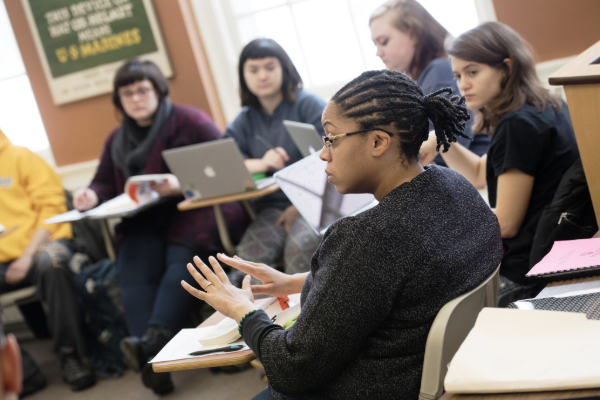
For Kimani, “Soul Train“ made me feel that what I do and who I am will be seen in the arts.” Imitating the dancers’ fantastic artistry on “Soul Train” made her realize, “I can do this, too,” and that a life in the arts was a possibility.
Today, Kimani is an internationally recognized dancer, choreographer, and educator dedicated to creating art with a purpose—with social justice being at the core of her dance-making. “When I teach dance, I sometimes recreate a “Soul Train“ line with my students,” she says. “I am bringing my students self-expression, artistic freedom, fun, and beauty.”

“Awesome things come from having this line that people witness and encourage,” she continues. “It’s often two people coming down the line. It’s the connection. Nobody else can do what you are doing because it is your body, and everyone honors the person coming down the pathway, so we have those who are witnessing and encouraging and those who are creating the pathway down; it is each person uniquely in their self-expression. It is a moment of joy, self-expression, embraced identities. You come as you are. You are welcome.”
Cherished Memories
There are so many great memories from “Soul Train” that it’s impossible to choose just one.
The high-pitched, extended “SOOOOOOOOUUUUULLLLLLLL Train” call that opened the weekly shows. Trying to unscramble the name of the show’s performer or a notable person in Black history on the “Soul Train” Scramble Board – which now is in the Smithsonian’s National Museum of African American History and Culture. Bobby and Whitney performing “Something in Common” in matching purple outfits soon after the birth of Bobbi Kristina. Michael Jackson sitting on a THRONE, reenacting the “Remember the Time” video in a seated posture because he twisted his ankle.
The most enduring memory, perhaps, is the sign-off line of the late Don Cornelius, “Soul Train”’s founder and legendary host, “wishing you love, peace, and soul”—words that are greatly needed today.
By Heather Moore Roberson, Ph.D. and Kimani Fowlin, MFA.
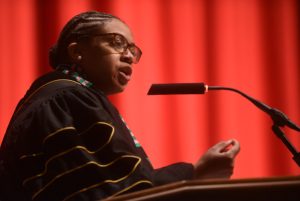
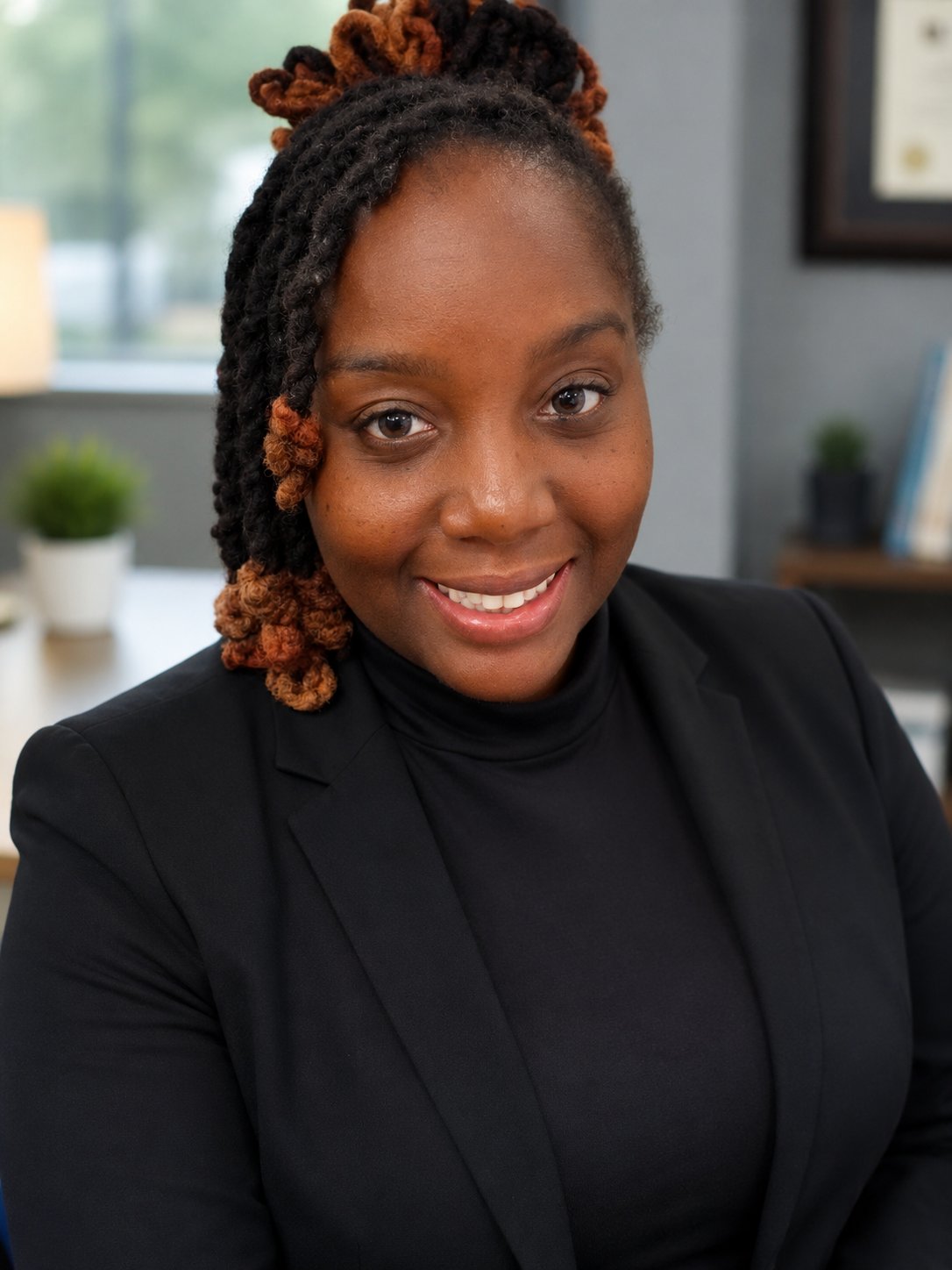
Heather Moore Roberson, Ph.D., the Dean of Diversity, Equity and Inclusion at Allegheny College in Meadville, PA, is a dynamic and well-respected scholar who inspires students, colleagues and leaders across all walks of life. She is an award-winning educator who leads initiatives at Allegheny College to enhance support provided to first-generation, low-income and students of color, and she successfully reactivated and chartered two historically Black Greek letter organizations at the College. She recently authored a book on the images of Black boys on television and co-edited Thinking About Black Education: An Interdisciplinary Reader from Myers Education Press.
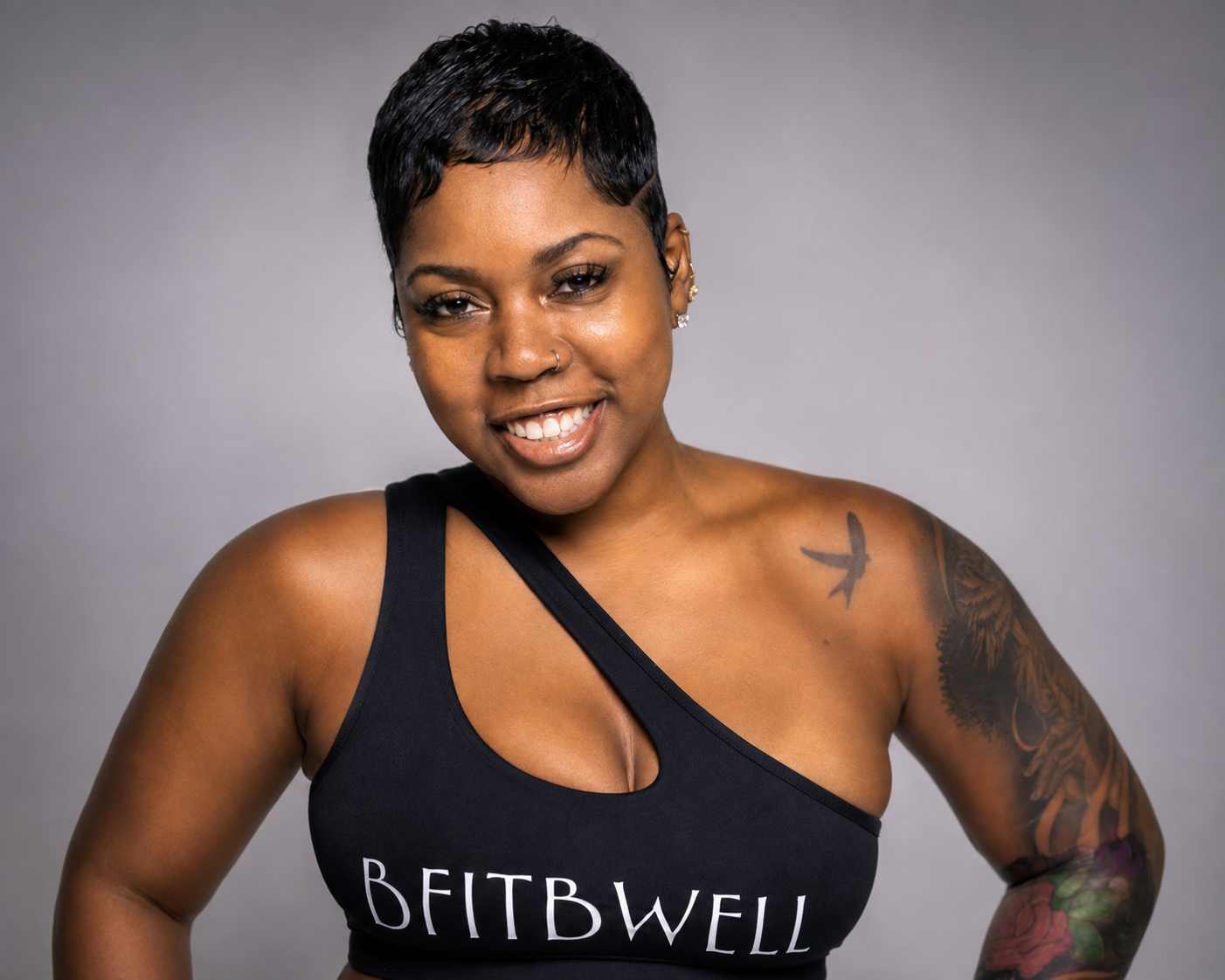
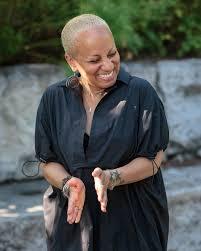 Kimani Fowlin, MFA, is an assistant professor of dance and chair of the Theatre & Dance Department at Drew University in New Jersey. Additionally, she teaches dance residencies throughout New York City for organizations such as the Brooklyn Academy of Music, DreamYard Project, Community Works and Urban Arts Partnership, for which she has been honored with the New York State Dance Education Association’s Outstanding Dance Educator Award. Her work abroad includes performing and teaching in Russia as part of the International Festival of Movement and Dance on the Volga, performing in Ghana for Panafest, and choreographing and performing in Greece with funk R&B band Milo Z.