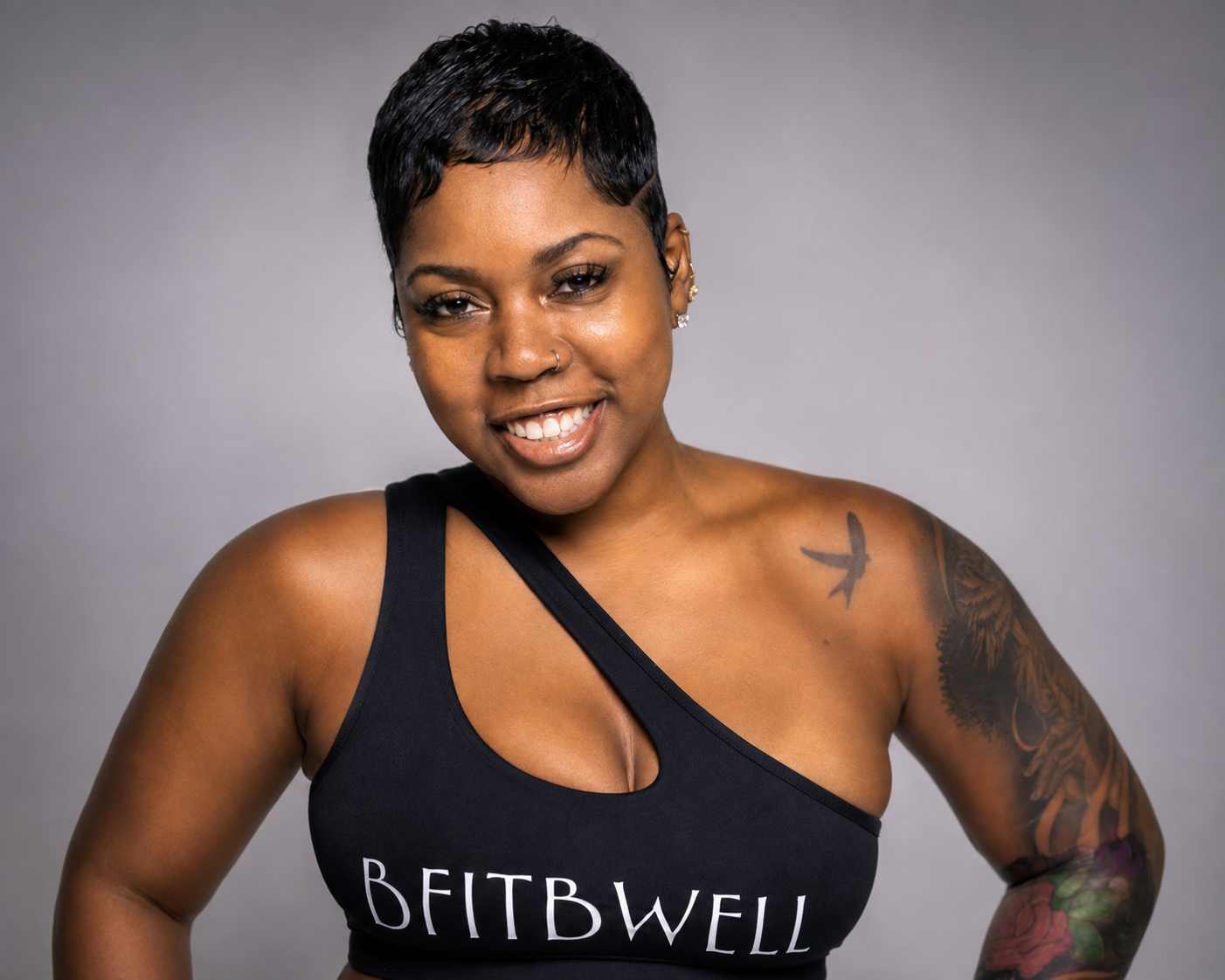
“My transition into cybersecurity was both strategic and purpose-driven,” shares DaVonda St. Clair, an innovative cybersecurity leader whose career path defies convention and breaks down long-held myths about who belongs in tech. Starting in Logistics and Supply Chain Management within the U.S. military, she was far from the typical candidate you’d expect in cybersecurity. But her story proves that with the right mindset and strategy, pivoting into high-paying tech roles is not just possible—it’s powerful.
“Even then, I wasn’t just moving things from point A to point B. I was securing assets, managing sensitive equipment, and ensuring mission-critical resources were protected and accounted for,” the military-trained tech trailblazer explains. These early responsibilities laid the groundwork for what would become her foundation in cybersecurity.
But the real magic happened as she prepared to leave military service. “I knew two things: I didn’t want to start from scratch, and I wanted to earn a salary that reflected the value I brought.” That’s when she discovered IT Asset Management—a tech role aligned with her logistics background. “It allowed me to support the Navy, live overseas, and build a bridge to tech without wiping my slate clean.”
This career leap gave rise to what she now teaches others as The CrossOver Position Method—a strategic framework that helps professionals pivot into tech by leveraging their existing experience. “It’s about positioning, not erasing,” DaVonda says. “The beauty of this method is that it empowers people to elevate their existing value instead of downplaying it.”
Cybersecurity today is a dynamic and high-stakes field. “Threats aren’t just evolving; they’re becoming more sophisticated, coordinated, and relentless,” she notes. “We’ve moved from protecting systems to defending identities and the trust people place in our digital world.”
Staying ahead of these threats means staying informed. “I treat continuous learning as non-negotiable. I keep up with frameworks like NIST, use AI tools, and lean on a trusted network of security professionals.” But it’s not just about tech. “Technical skills alone won’t carry you through a crisis. The ability to lead, communicate, and adapt matters just as much.”
For Black women, especially, the cybersecurity field can be even more daunting. “One of the most exhausting challenges is having to prove myself first before being seen—while others are seen first and assumed competent,” the architect of The CrossOver Position Method shares. “But I let that refine me. I focused on being undeniable.”
She recalls moments where her presence was questioned before her expertise was valued. “Instead of letting that defeat me, I built a strong internal compass rooted in confidence, faith, and resilience. My reputation became my loudest advocate.”
Representation, DaVonda says, is more than a buzzword—it’s a mission. “I don’t just want to be the only one in the room. I want to be the reason someone else believes they belong in the room, too. Because representation doesn’t just open doors—it shatters ceilings.”
Her advice for women—especially Black women—who feel they don’t have the “right” background for tech is simple: You belong here.
“You don’t need to code to work in tech. You need clarity, positioning, and confidence,” she emphasizes. “Tech needs your voice, your perspective, and your leadership—not someday, but right now.”

Through her platform, Entitled Ambitions, she’s focused on bridging the AI gap for Black women. “AI isn’t just changing cybersecurity—it’s rewriting the rules,” she says. “Black women bring the kind of intersectional thinking, adaptability, and insight that AI and cybersecurity desperately need.”
She’s already created tools like the Tech Skills Translator and Tech Resume Review Tool to help professionals translate their experience into tech-ready language. “It’s not just about jobs. It’s about power, influence, and having a say in how these technologies shape society.”
Perhaps the biggest myth she debunks is the idea that cybersecurity is only for coders. “I’ve built an entire career in cybersecurity without writing a single line of code,” she says. “This field thrives on diversity—of thought, background, and skill.”
To those unsure where to start, the strategic pivot expert offers one final piece of actionable advice: “Search ‘tech-adjacent roles’ and find three that match your current skills. Then tomorrow, reach out to one person in that role on LinkedIn. That’s how your journey begins—not with doubt, but with one deliberate step forward.”
Through bold moves and unwavering belief in her own value, DaVonda has created not just a path for herself but a blueprint for others to follow. And the message is clear: you don’t have to start over to step into tech—you just have to start.
Connect with DaVonda at http://linkedin.com/in/davondastclair.
About Khadijah
 Khadijah Phillips is a highly driven woman who was born to break barriers. She proves that when powered by purpose, women are unstoppable. She’s built her storied life and career brick by brick, fighting fears, failures, and setbacks to have the success she’s always known was hers to claim. Today, she personifies what it means to ascend above adversity while inspiring countless others to do the same through her media company and strategic partnerships. You can follow her on Instagram @bestiesmedia and check out her website www.bestiesmedia.com.